

Introduction
Have you ever looked in the mirror and noticed small white bumps around your eyes or on your cheeks, and felt concerned? In many cases, those white bumps are a benign skin condition called milia (milium cysts).
Milia are a common skin condition experienced by people of all ages and genders. While they may be a cosmetic concern, they pose virtually no risk to your health. That said, having accurate knowledge and responding appropriately is important.
In this article, we cover everything from the basics of milia to available treatment options, explained in a clear and accessible way so you can feel confident in addressing this condition.
What Are Milia?
Definition
Milia (singular: milium) are small, white to yellowish-white dome-shaped papules approximately 1–2 mm in diameter that form near the surface of the skin. They are medically known as milia and are classified as benign skin cysts.
The name is said to derive from their resemblance to millet seeds. Milia form when keratin (a structural protein) becomes trapped within a small sac-like structure beneath the skin surface, creating a benign cyst.
Characteristics of Milia
Milia have the following characteristics:
Appearance
- Small size, approximately 1–2 mm in diameter
- White to yellowish-white in color
- Dome-shaped, slightly raised
- Smooth surface with a slight sheen
- Firm to the touch
Symptoms
- No pain or itching
- Do not become inflamed
- Do not become infected or filled with pus
- Not contagious
Common locations
- Around the eyes (particularly the eyelids and outer corners)
- Cheeks, forehead, and around the nose
- Chin and around the mouth
- Rarely, the hands, feet, or genital area
Symptoms and Appearance of Milia
Typical Symptoms
The most characteristic feature of milia is the appearance of small white bumps on the skin. They typically present with the following features:
Visual characteristics
- Ranging from pinpoint size up to approximately 2 mm
- Pearl-like, lustrous white color
- May occasionally appear slightly yellowish
- Slightly raised above the skin surface
- Well-defined borders
Tactile characteristics
- Feels like a firm, hard nodule
- Does not move under the skin
- No pain when pressed
Progression
Milia generally:
- May slowly increase in size
- May increase in number
- Rarely resolve on their own, particularly in adults
- Do not change rapidly
- Do not become malignant
Distinguishing Milia from Similar Conditions
The following conditions are commonly confused with milia:
Closed comedones (whiteheads)
- Tend to be slightly larger than milia
- Can become inflamed and red
- Caused by clogged sebum
Syringoma
- Flatter and more spread out than milia
- Skin-colored
- Caused by proliferation of sweat gland ducts
Sebaceous hyperplasia
- Often has a central depression
- Larger than milia
- More distinctly yellowish
Molluscum contagiosum (water warts)
- Has a central dimple
- Contagious
- Occurs mainly in children
Causes and Mechanisms of Milia
Basic Mechanism of Formation
Milia form when keratin (the protein that makes up skin cells) is not properly shed and instead accumulates within the skin. The process typically occurs as follows:
- Blockage of hair follicles or sweat ducts: The pore or sweat duct opening becomes blocked for some reason.
- Keratin accumulation: Old skin cells that should normally shed become trapped within the skin.
- Cyst formation: The accumulated keratin forms a sac-like structure (cyst).
- Milium formation: The cyst appears as a white bump on the skin surface.
Contributing Factors
Disrupted skin cell turnover
- Impaired normal skin cell renewal
- Age-related decline in skin metabolism
- Hormonal changes
External irritants
- Overly aggressive cleansing or skincare routines
- Pore-clogging cosmetics
- UV-related skin damage
- Friction and physical irritation
Constitutional factors
- Dry skin
- Skin conditions such as atopic dermatitis
- Genetic predisposition
- Abnormal sebum production
Lifestyle factors
- Irregular sleep patterns
- Poor dietary balance
- Stress
- Smoking
Age-Related Differences
Newborns and infants
- Occur in approximately 40–50% of newborns
- Related to hormonal influences and underdeveloped sweat glands
- Most resolve on their own within about one month
Children
- Relatively uncommon
- When they do appear, they often resolve spontaneously
Adults
- Most common age group affected
- Rarely resolve on their own once they appear
- Slightly more prevalent in women
Older adults
- More likely to develop alongside natural skin aging
- Multiple milia are common
- Higher rate of recurrence after treatment
Types and Classification of Milia
Primary Milia and Secondary Milia
Milia are broadly classified into two types based on their cause.
Primary Milia
Definition Milia that develop spontaneously without a specific underlying cause, accounting for approximately 80% of all cases.
Characteristics
- No identifiable external cause
- May involve abnormalities in skin formation during fetal development
- Genetic predisposition may play a role
- More common in children and younger women
Mechanism of formation
- Cysts form in the skin during fetal development
- Abnormal development of hair follicles or sweat glands
- Disrupted skin cell turnover
Classification by age
Neonatal primary milia
- Onset from birth to a few weeks of age
- Multiple lesions commonly appear on the nose and face
- Occurs regardless of sex
- Typically resolves spontaneously within about one month
Primary milia in children and adults
- Often develops after puberty
- Favors the area around the eyes and cheeks
- Rarely resolves on its own
- Treatment is often required
Secondary Milia
Definition Milia that develop following skin injury or disease, accounting for approximately 20% of all cases.
Main causes
Post-traumatic
- Burns
- Abrasions or lacerations
- Post-surgical scarring
- Trauma from piercings or similar procedures
Following skin disease
- Blistering conditions (e.g., pemphigus)
- Severe atopic dermatitis
- Chronic eczema
- During the healing process of dermatitis
Following medical procedures
- After laser treatment
- After Chemical Peeling
- After skin grafting
- After radiation therapy
Drug-induced
- Long-term topical corticosteroid use
- Certain chemotherapy agents
- Use of photosensitizing medications
Special Classifications
Classification by Location
Facial milia
- Most common type
- High level of cosmetic concern
- Many patients seek treatment
Eyelid milia
- Specific to the eyelid area
- Somewhat more technically challenging to treat
- More prone to recurrence
Genital milia
- Relatively uncommon
- Can be difficult to diagnose
- Careful differentiation from other conditions is important
Classification by Pattern
Solitary milia
- One or just a few lesions
- Relatively straightforward to treat
Multiple milia
- Multiple lesions appearing in clusters
- Treatment takes more time
- More prone to recurrence
Milia en plaque
- A rare variant
- Spreads over a broad, plaque-like area
- Often resistant to treatment
Diagnosis of Milia
Basic Diagnostic Process
Milia are primarily diagnosed through visual inspection. An experienced dermatologist can typically make an accurate diagnosis based on appearance alone in most cases.
Medical History
The physician will ask detailed questions about the following:
Onset and progression
- When did you first notice them?
- Have they changed in size or number?
- Is there any pain or itching?
- Are there any other associated symptoms?
Medical history
- Any history of skin conditions
- Previous injuries or surgeries
- Known allergies
- Current medications
Family history
- Do any family members have similar symptoms?
- Any hereditary skin conditions in the family?
Lifestyle habits
- Skincare routine
- Cosmetics currently in use
- Daily skin irritants
Visual Examination
The physician carefully observes the following:
Appearance
- Size (typically 1–2 mm)
- Color (white to yellowish-white)
- Shape (dome-shaped papule)
- Surface texture (smooth)
- Clarity of borders
Distribution and number
- Location (around the eyes, cheeks, etc.)
- Solitary or multiple
- Symmetry
Condition of surrounding skin
- Presence of inflammation
- Concurrent skin conditions
- Presence of scarring
Palpation
When necessary, the following are assessed:
Consistency
- The firm texture characteristic of milia
- Whether it is mobile
- Estimated depth
Tests for Definitive Diagnosis
Trial Extraction
When the diagnosis is uncertain, the physician may confirm it using the following steps:
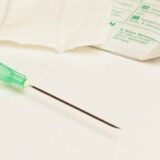
- Small incision: A fine needle is used to make a tiny opening in the skin surface.
- Content verification: The presence of a white keratin plug is confirmed.
- Pathological assessment: The nature of the extracted content is observed.
This procedure confirms the keratin plug that is characteristic of milia.
Skin Biopsy
Very rarely, a skin biopsy may be performed in the following situations:
- Atypical appearance
- Need to rule out a malignant condition
- Resistance to treatment
Differential Diagnosis
It is important to distinguish milia from conditions that present similarly:
Key Differential Diagnoses
Closed comedones (whiteheads)
- Distinguishing features: slightly larger, sebum-based, can become inflamed
- Confirmation: contents are sebum-like rather than a white keratin plug
Syringoma
- Distinguishing features: flatter and more spread out, skin-colored, often multiple
- Confirmation: histological examination shows proliferation of sweat gland ducts
Sebaceous hyperplasia
- Distinguishing features: central umbilication, more yellow, larger
- Confirmation: presence of central dell, nature of contents
Molluscum contagiosum
- Distinguishing features: central dimple, contagious, mainly in children
- Confirmation: history of exposure, microscopic examination
Eccrine poroma
- Distinguishing features: more common on palms and soles, slightly larger
- Confirmation: location, histological examination
Improving Diagnostic Accuracy
From the Physician’s Perspective
Experience and knowledge
- Extensive clinical experience with a wide range of cases
- Staying current with medical developments
- Ability to differentiate from similar conditions
Examination skills
- Observation under adequate lighting
- Use of a magnifying lens
- Thorough palpation
From the Patient’s Perspective
Providing accurate information
- Describe any changes in symptoms accurately
- Share your medical history in detail
- Inform the physician of any cosmetics or skincare products you use
Cooperation during examination
- Follow the physician’s instructions during the examination
- Ask questions about anything you are unsure of
- Discuss your treatment options thoroughly
Treatment Options for Milia
General Treatment Approach
Because milia are benign skin cysts that pose no health risk, treatment is not always necessary. However, many patients do seek treatment for cosmetic reasons.
Criteria for Treatment
When treatment may be recommended
- The patient has cosmetic concerns
- The milia interfere with makeup application
- They have grown and become more noticeable
- Multiple milia are causing a visible cosmetic issue
When watchful waiting is appropriate
- They are small and not very noticeable
- The patient is not particularly bothered by them
- In newborns or infants (where spontaneous resolution is possible)
Self-Pay Treatment Options
CO2 Laser (Carbon Dioxide Laser)
Overview A method that uses a CO2 laser to ablate and remove milia.
Treatment principle
- Laser energy is absorbed by water in the tissue
- The tissue is instantly vaporized by the resulting heat
- Thermal damage to surrounding tissue is minimized
Procedure
- Local anesthesia: Topical anesthetic cream or local injection
- Laser application: The laser is applied directly to the milium to ablate it
- Hemostasis and disinfection: Performed as needed
- Protection: The treated area is covered with an appropriate dressing
Advantages
- Lower recurrence rate (approximately 5–10%)
- Precise depth control
- Minimal bleeding
- Less visible scarring
- Multiple lesions can be treated in one session
Disadvantages
- Higher cost as a self-pay treatment
- Temporary indentation at the treatment site may occur
- Risk of post-inflammatory hyperpigmentation
- Relatively longer downtime
Cost
- Approximately 5,000–15,000 yen per lesion
- Pricing varies by clinic
Er:YAG Laser (Erbium:YAG Laser)
Overview A laser treatment that causes less thermal damage to surrounding tissue than the CO2 laser.
Characteristics
- More precise ablation
- Minimal impact on surrounding tissue
- Faster healing
- Lower risk of post-inflammatory hyperpigmentation
Indications
- Delicate areas such as around the eyes
- Cases where minimizing pigmentation risk is a priority
- Precise treatment of multiple lesions
Fractional Laser
Overview Creates microscopic channels in the skin to facilitate removal of milia.
Characteristics
- Suitable for treating broader areas
- May also help improve overall skin texture
- Relatively shorter downtime
Pharmacological Treatment
Tretinoin (Vitamin A Derivative)
Mechanism of action
- Promotes skin cell turnover
- Facilitates shedding of keratin
- Helps clear blocked pores
How to use
- Applied as a topical cream
- For nighttime use only
- Concentration is gradually increased over time
Efficacy
- Primarily preventive
- Limited effect on existing milia
- Requires continued use over an extended period
Side effects
- Skin dryness
- Redness and stinging
- Peeling
- Increased photosensitivity
Retinoid Creams
Types
- Adapalene (Differin)
- Tretinoin
- Retinol-containing cosmetic products
Precautions
- Not to be used during pregnancy or breastfeeding
- Thorough sun protection is essential
- A gradual introduction to the routine is important
Treatment Outcomes and Prognosis
Treatment Success Rates
Extraction (comedone extractor method)
- Immediate removal rate: approximately 95%
- Recurrence rate: approximately 20–30%
- Patient satisfaction rate: approximately 80%
CO2 laser
- Immediate removal rate: approximately 98%
- Recurrence rate: approximately 5–10%
- Patient satisfaction rate: approximately 90%
Factors Contributing to Recurrence
Technical factors
- Incomplete removal
- Insufficient depth adjustment
- Residual tissue left in the surrounding area
Patient-related factors
- Constitutional predisposition
- Inadequate skincare routine
- Lifestyle-related issues
- Insufficient UV protection
Selecting the Appropriate Treatment
For a Small Number of Lesions (approximately 1–5)
- Extraction is typically the first-line option
- Good cost-effectiveness
- Shorter downtime
For a Greater Number of Lesions (6 or more)
- Laser treatment may be considered
- Multiple lesions can be treated in one session
- May offer better cost performance over the long term
For Recurrent Milia
- Consider switching to laser treatment
- Address underlying constitutional factors
- Strengthen preventive skincare measures
Prevention of Milia
Basic Prevention Principles
Because constitutional factors play a role in milia development, complete prevention is difficult. However, appropriate skincare and lifestyle adjustments can help reduce their occurrence and minimize recurrence.
Prevention Through Skincare
Proper Cleansing Technique
Choosing a cleanser
- Select a cleanser suited to your skin type
- Avoid cleansers with excessively strong cleansing action
- Opt for low-irritation formulas
- Choose products with a pH close to that of skin (mildly acidic)
Cleansing steps
- Wash your hands: Thoroughly clean your hands first.
- Pre-rinse with lukewarm water: Wet your face with water at approximately 32–34°C.
- Lather the cleanser: Work it into a rich, dense foam.
- Gentle cleansing: Use the foam to wash your face with light, gentle motions.
- Thorough rinsing: Rinse carefully to ensure no cleanser is left on the skin.
- Pat dry: Gently press a clean towel against your face to absorb moisture.
Cleansing habits to avoid
- Scrubbing vigorously
- Using very hot water
- Cleansing more than necessary during the day
- Overuse of facial cleansing brushes
- Insufficient rinsing
Appropriate Moisturizing Care
Why moisturizing matters
- Maintains the skin’s barrier function
- Supports normal skin cell turnover
- Helps regulate excess sebum production
- Protects the skin from external irritants
Choosing a moisturizer
- Texture appropriate for your skin type
- Non-comedogenic (less likely to clog pores)
- Fragrance-free and dye-free
- Balanced oil content
How to moisturize
- Apply promptly after cleansing: Moisturize within 5 minutes of washing your face.
- Use an adequate amount: Do not skimp—use a sufficient quantity.
- Apply gently: Press the product into the skin without rubbing.
- Pay attention to dry areas: Apply extra care to areas prone to dryness, such as around the eyes.
Exfoliation Care
Benefits of exfoliation
- Removes dead skin cells
- Promotes skin cell turnover
- Helps prevent clogged pores
- Improves skin texture and roughness
Types of exfoliants
- AHAs (alpha-hydroxy acids): Glycolic acid, lactic acid, etc.
- BHAs (beta-hydroxy acids): Salicylic acid—oil-soluble and effective for pores
- Enzyme-based: Papain, protease, etc.
Frequency and precautions
- Start with once or twice a week
- Adjust frequency based on how your skin responds
- Follow with thorough moisturizing
- Maintain consistent UV protection
- Discontinue use if irritation occurs
Prevention Through Lifestyle
Improving Nutritional Balance
Nutrients beneficial for skin health
Vitamin A
- Supports normal skin cell turnover
- Food sources: dark-colored vegetables, liver, eel
- Recommended intake: 900 μg/day for adult men, 700 μg/day for adult women
B vitamins
- Support skin metabolism
- Food sources: brown rice, pork, fish, legumes
- Vitamins B2 and B6 are particularly important
Vitamin C
- Supports collagen synthesis
- Antioxidant properties
- Food sources: citrus fruits, strawberries, vegetables
Vitamin E
- Antioxidant properties
- Promotes circulation
- Food sources: nuts, vegetable oils, fish
Zinc
- Supports skin repair
- Food sources: oysters, meat, seeds and nuts
Foods to limit
- Excessively oily or greasy foods
- Excessive intake of high-sugar foods
- Excessive alcohol consumption
- Excessive caffeine intake
Improving Sleep Quality
The connection between sleep and skin
- Promotes growth hormone secretion
- Supports skin repair and regeneration
- Helps regulate stress hormones
- Supports normal skin cell turnover
Tips for better sleep
- Maintain a consistent sleep and wake schedule
- Limit smartphone use before bedtime
- Keep the bedroom at an appropriate temperature and humidity
- Avoid caffeine in the evening
- Create a relaxing bedtime environment
Stress Management
The connection between stress and skin
- Hormonal imbalances
- Increased sebum production
- Disrupted skin cell turnover
- Weakened immune function
Ways to reduce stress
- Regular, moderate exercise
- Hobbies and relaxation activities
- Adequate sleep
- A well-balanced diet
- Social connection and communication
UV Protection
The Relationship Between UV Exposure and Milia
Harmful effects of UV radiation
- Accelerates skin aging
- Disrupts skin cell turnover
- Weakens the skin barrier
- Triggers inflammation
Effective Sun Protection Strategies
Choosing a sunscreen
- SPF 30 or higher, PA+++ or above
- Low-irritation formulas for sensitive skin
- Consider water-resistant formulas when needed
How to apply
- Apply 30 minutes before going outdoors
- Reapply every 2–3 hours
- Use an adequate amount
- Don’t forget the neck and ears
Additional protective measures
- Wear a hat or use a parasol
- Wear sunglasses
- Wear long-sleeved clothing
- Walk in the shade when possible
Choosing the Right Cosmetics
Ingredients to Avoid
Comedogenic ingredients
- Myristic acid
- Palmitic acid
- Stearic acid
- Oleic acid
Potentially irritating ingredients
- High concentrations of ethanol
- Artificial fragrances
- Artificial dyes
- Certain preservatives
Recommended Ingredients
Non-comedogenic ingredients
- Squalane
- Jojoba oil
- Ceramides
- Hyaluronic acid
Regular Maintenance
Routine Dermatology Check-ups
The value of regular visits
- Early detection and timely treatment
- Personalized skincare guidance
- Prevention strategies tailored to your skin type
When to see a dermatologist
- As a routine check every 6 months to 1 year
- When new milia appear
- When you are unsure about your skincare routine
- When skin concerns increase
Professional Care
In-clinic treatments
- Chemical Peeling
- Iontophoresis
- Light-based therapy
- Prescription topical medications
Aesthetic salon treatments
- Deep pore cleansing
- Appropriate exfoliation treatments
- Moisturizing care
- Lymphatic massage

Frequently Asked Questions (FAQ)
About Milia: The Basics
A: No, milia are not contagious. They are not caused by bacteria or viruses, but are benign cysts formed by the accumulation of keratin in the skin. They cannot be transmitted to family members or others around you. However, there may be cases where a genetic predisposition means milia tend to run in families.
A: Milia do not transform into cancer (malignant tumors). They are entirely benign skin cysts and pose no risk to your health. They may grow in size over time, but remain benign. If the appearance changes or a milium grows rapidly, we recommend a consultation with a dermatologist to rule out other conditions.
A: Yes, the characteristics differ by age. Milia in newborns are a normal occurrence seen in 40–50% of babies and most resolve on their own within about one month. In adults, however, milia rarely disappear on their own, and treatment is often required if they are bothersome. In children, milia that persist despite growth may also become candidates for treatment.
Questions About Treatment
Q4: Is treatment for milia painful? A: The level of discomfort depends on the treatment method. With the most common extraction method, there is mild discomfort when the needle creates a small opening in the skin, but most patients find it manageable. For those concerned about discomfort, a topical anesthetic cream can be used. With laser treatment, local anesthesia is administered, so discomfort during the procedure is generally minimal.
Q5: Can I wear makeup after treatment? A: With the extraction method, makeup is possible from the day of treatment, but avoid applying it directly over the treated area. You can resume your normal makeup routine from the following day. With laser treatment, a scab typically forms over the treated area, and makeup should be avoided on that area until the scab falls off naturally (usually within 1–2 weeks). Concealer or foundation can be used over the surrounding area.
Q6: How much does treatment cost? A: For insurance-covered extraction, the cost is typically a few hundred yen with a 30% co-payment (this varies with the number of milia). For self-pay laser treatment, the approximate cost is 5,000–15,000 yen per lesion. Having multiple lesions treated together may reduce the overall cost. Please contact your chosen clinic for detailed pricing.
Q7: Can milia recur after treatment? A: Unfortunately, recurrence is possible. Reported recurrence rates are approximately 20–30% with extraction and approximately 5–10% with laser treatment. Contributing factors include incomplete removal, constitutional predisposition, and inadequate skincare. Appropriate preventive care can help reduce the risk of recurrence.
Managing Milia in Daily Life
Q8: Is it safe to remove milia at home? A: Please do not attempt to remove milia yourself. Trying to extract them with a needle or fingernail carries the following risks:
- Bacterial infection and suppuration
- Damage to surrounding skin
- Permanent scarring or post-inflammatory hyperpigmentation
- Pushing the content deeper into the skin
- Misidentification of another condition
For safe and appropriate treatment, please always seek care from a dermatologist.
Q9: Are there skincare products that can cause milia? A: The following types of products may contribute to the development of milia:
- Heavy creams or oils with a high oil content
- Cosmetics containing comedogenic (pore-clogging) ingredients
- Strongly irritating cleansers or exfoliants
- Toners with a high alcohol content
We recommend choosing products labeled as non-comedogenic.
Q10: Are there foods that can help prevent milia? A: No specific foods have been proven to directly prevent milia. However, foods rich in nutrients that support skin health are generally recommended:
- Vitamin A: dark-colored vegetables, liver
- B vitamins: brown rice, fish, legumes
- Vitamin C: citrus fruits, vegetables
- Zinc: oysters, meat
- Omega-3 fatty acids: fish, nuts
Maintaining a well-balanced diet is key.
Special Circumstances
Q11: Can milia be treated during pregnancy or breastfeeding? A: The extraction method can be performed safely during pregnancy and breastfeeding. However, laser treatment and certain topical medications (such as tretinoin) should be avoided. Please be sure to inform your physician if you are pregnant or breastfeeding. In many cases, it is advisable to begin treatment after delivery and the completion of breastfeeding.
Q12: I have atopic dermatitis — can I still be treated for milia? A: Treatment is possible for patients with atopic dermatitis, but the approach may need to be adjusted depending on the condition of your skin and any medications you are currently using. It is generally advisable to prioritize managing the dermatitis first, and then proceed with milia treatment once the skin has stabilized. Please provide detailed information about your current treatment at the time of consultation.
Q13: How can I tell milia apart from similar conditions? A: Key differences include:
Whiteheads (closed comedones): Slightly larger and can become inflamed Syringoma: Flat and spread out, skin-colored Molluscum contagiosum: Has a central dimple and is contagious Sebaceous hyperplasia: Has a central depression and is more distinctly yellow
An accurate diagnosis requires examination by a dermatologist.
Treatment Outcomes and Expectations
Q14: Will my skin look normal right after treatment? A: Recovery time varies depending on the treatment method:
Extraction:
- Day of treatment: mild redness
- Next day: largely unnoticeable
- 2–3 days: fully normalized
Laser treatment:
- Day of treatment to 1 week: scab formation
- 1–2 weeks: scab falls off
- 1–3 months: redness fully resolves
Q15: Can all milia be removed in a single treatment? A: This depends on the number and location of the milia:
- Few lesions (1–5): can typically be addressed in one session
- Many lesions (6 or more): treatment is often spread over several sessions
- Delicate areas such as around the eyes: treatment proceeds carefully in stages
We will discuss your treatment plan in detail during your consultation.
Important Considerations and Summary
Key Points to Keep in Mind When Treating Milia
Risks of Self-Diagnosis
While milia are relatively straightforward to diagnose, many similar conditions exist. Inappropriate self-treatment based on an incorrect self-diagnosis can lead to the following risks:
Risks of misdiagnosis
- Confusing milia with contagious conditions such as molluscum contagiosum
- Missing a malignant lesion
- Delaying appropriate treatment
- Unnecessary and ongoing worry
Risks of self-treatment
- Bacterial infection and suppuration
- Permanent scarring or post-inflammatory hyperpigmentation
- Pushing the content deeper into the skin
- Damage to surrounding tissue
We strongly recommend obtaining an accurate diagnosis from a qualified dermatologist.
Considerations When Choosing a Treatment
Respecting individual preferences
- The degree of cosmetic concern varies from person to person
- Financial considerations should also be taken into account
- Tolerance for downtime differs among individuals
- Attitudes toward recurrence vary as well
Thorough discussion with your physician
- Ask for a full explanation of all available treatment options
- Make sure you understand the benefits and drawbacks of each option
- Clarify the expected cost and timeframe
- Don’t hesitate to ask any questions you may have
The Importance of Aftercare
Post-treatment skincare Appropriate care after treatment is important for maximizing results and helping to prevent recurrence:
- Keep the treated area clean
- Maintain appropriate moisturizing care
- Maintain consistent UV protection
- Avoid irritating cosmetics
- Attend regular follow-up appointments
Continuing to improve lifestyle habits Alongside treatment, addressing underlying contributing factors is also important:
- Maintaining a well-balanced diet
- Getting adequate sleep
- Managing stress
- Regular, moderate exercise
- Quitting smoking and limiting alcohol
Living with Milia: A Helpful Perspective
Addressing Cosmetic Concerns
While milia are a benign condition with no health implications, some people experience psychological distress due to their appearance. Please keep the following in mind:
Maintaining perspective
- They are often less noticeable to others than you might think
- There is no need to strive for flawless skin
- Various skin changes are a natural part of aging
Choosing the right approach
- Don’t let them overwhelm you — consider treatment if they are bothering you
- Choose options that are realistic within your financial and time constraints
- Prioritize consultation with a trusted physician
Long-Term Skin Health Management
Regardless of whether milia are present, a long-term perspective on maintaining healthy skin is important:
A preventive approach
- Consistent daily skincare
- Improving lifestyle habits
- Regular dermatology visits
- Commitment to early detection and timely care
Age-appropriate care
- 20s: establishing a foundational skincare routine
- 30s: strengthening preventive care
- 40s and beyond: adapting to age-related skin changes
Looking Ahead
Advances in Treatment Technology
Treatment for milia is expected to continue evolving:
New laser technologies
- More precise treatment
- Shorter downtime
- Further reduction in recurrence rates
Advances in pharmacological treatment
- Development of more effective topical agents
- Treatments with a more favorable side effect profile
- Agents with stronger preventive properties
Improvements in diagnostic technology
- More accurate diagnostic equipment
- Non-invasive diagnostic methods
- Greater accuracy in early diagnosis
The Growing Importance of Preventive Medicine
Alongside advances in treatment, a preventive medicine approach is becoming increasingly important:
Personalized medicine
- Understanding individual predispositions through genetic testing
- Prevention strategies tailored to the individual
- Customized treatment plans
Integration of lifestyle medicine
- Clarifying the relationship between skin conditions and lifestyle factors
- A comprehensive approach to overall health management
- Scientific validation of preventive measures
Final Summary
Milia are a common skin condition experienced by many people. Let’s review the key points:
Understanding the Basics
- Benign skin cysts that pose no health risk
- Rarely resolve on their own, particularly in adults
- Many people seek treatment for cosmetic reasons
Appropriate Response
- Avoid self-diagnosis and self-treatment
- An accurate diagnosis by a qualified dermatologist is important
- Treatment should be chosen based on individual circumstances
Treatment Options
- Insurance-covered extraction (lower financial burden)
- Self-pay laser treatment (lower recurrence rate)
- Pharmacological treatment (primarily preventive)
Prevention and Care
- Consistent and appropriate skincare routine
- Improving lifestyle habits
- Regular dermatology visits
- Thorough UV protection
Mindset
- Don’t let milia weigh on you — consider treatment if they are a concern
- Commit to long-term skin health management
- Prioritize consultation with a trusted physician
If you are concerned about milia, please do not hesitate to consult a dermatologist. With appropriate diagnosis and treatment, many patients achieve satisfying results.
At IC Clinic, we provide personalized care for each patient, from the diagnosis of milia through to treatment. Please feel free to reach out with even the smallest concern. We are here to support you in achieving healthy, beautiful skin.

References
- Berk DR, Bayliss SJ. Milia: a review and classification. J Am Acad Dermatol. 2008;59:1050-63.
- EPSTEIN W, KLIGMAN AM. The pathogenesis of milia and benign tumors of the skin. J Invest Dermatol. 1956;26:1-11.
- Connelly T. Eruptive milia and rapid response to topical tretinoin. Arch Dermatol. 2008; 144(6):816-817.
- Nambudiri VE, et al. Milia en plaque of the nose: report of a case and successful treatment with topical tretinoin. Pediatrics. 2014; 133(5):e1373-1376.
- Multiple milia localized to the vulva. J Dermatol. 1996; 23(6):427-428.
- Japan Dermatological Association: Dermatology Q&A “Atheroma (Epidermoid Cyst)”
- Japanese Journal of Dermatology, various issues: “Clinical studies on milia”
- Skin Research (Hifu Rinsho), various issues: “Diagnosis and treatment of milia”
- Journal of the Japanese Society for Aesthetic Dermatology: “Laser treatment of milia”
- Journal of the Japanese Society of Plastic and Reconstructive Surgery: “Surgical treatment of milia”
Disclaimer: This article is intended for general informational purposes only and is not a substitute for individual medical diagnosis or treatment. If you have any concerns about your symptoms, please consult a qualified healthcare professional at a medical institution.