
Appointments for “folliculitis” are available only at the dermatology outpatient department of IC Clinic Shinjuku.
“I developed folliculitis after hair removal…”
“Is there any way to prevent folliculitis?”
“What should I do when the inflammation won’t settle down?”
We will address these concerns in this article.
Folliculitis refers to inflammation that occurs deep within the hair follicle. It can occur after hair removal, causing red rashes or pus-filled bumps.
This article covers the following topics in detail:
- Basic knowledge about folliculitis
- How to manage folliculitis when it occurs
- Ways to help prevent folliculitis after hair removal
After hair removal, the skin is under stress and prone to inflammation. Proper aftercare is important to help prevent skin problems.
Also popular ▼
\Looking for a medical hair removal clinic? Check out our recommended popular clinics/
▼ Looking for affordable medical hair removal?
See our selection of 30 popular, affordable medical hair removal clinics
Popular article:
30 Recommended Medical Hair Removal Clinics! Full Body, Face & VIO — Which Are the Most Affordable? Clinics with Strong Results and Positive Reviews
Table of Contents
- 1 What Is Folliculitis? Causes, Common Locations, and How It Differs from Acne
- 1.1 Why Folliculitis Occurs After Hair Removal | Disrupted Skin Barrier and Bacterial Entry
- 1.2 Common Sites for Folliculitis | Buttocks, Thighs, Intimate Areas, and More
- 1.3 Folliculitis vs. Acne | Different Causative Bacteria
- 2 How to Treat Folliculitis After Hair Removal — Two Main Approaches
- 2.1 Keep the Area Clean Without Squeezing
- 2.2 See a Doctor Promptly If Symptoms Are Severe or You Have Concerns
- 3 Three Skincare Tips to Help Prevent Folliculitis After Hair Removal
- 3.1 Cleanse Gently and Keep Skin Clean Immediately After Hair Removal
- 3.2 Use an Electric Shaver for Hair Maintenance
- 3.3 Maintain a Thorough Skincare Routine
- 4 Common Questions About Folliculitis After Hair Removal
- 4.1 Q. How long does folliculitis after hair removal take to heal?
- 4.2 Q. Can I still have hair removal if I have folliculitis?
- 4.3 Q. What should I do if folliculitis keeps recurring or leaves marks?
- 4.4 Q. Is it okay to squeeze folliculitis bumps?
- 5 For Folliculitis Treatment in Tokyo, Please Consult IC Clinic
What Is Folliculitis? Causes, Common Locations, and How It Differs from Acne
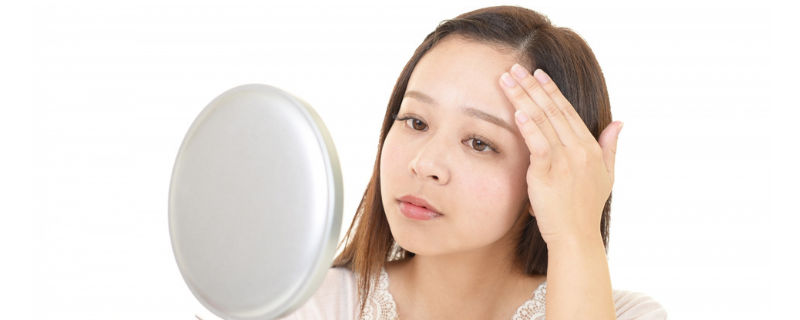

Folliculitis is inflammation that occurs in the “hair follicle,” the structure located deep within the pore.
- Why folliculitis occurs after hair removal
- Common sites where folliculitis develops
- How it differs from acne
We will explain each of these three points in detail.
Why Folliculitis Occurs After Hair Removal | Disrupted Skin Barrier and Bacterial Entry
After hair removal, the skin’s barrier function is significantly weakened due to irritation and dryness. As a result, bacteria that can cause inflammation are able to enter the skin more easily, leaving it in a state prone to inflammation.
After at-home hair removal, the skin surface may have minor abrasions, making it easier for bacteria to enter the pores. After medical hair removal, inflammation and dryness can occur in the deeper layers of the skin, substantially reducing the skin’s barrier function.
Even Staphylococcus bacteria — which would not normally cause skin problems — can penetrate the skin when the barrier function is compromised.
Common Sites for Folliculitis | Buttocks, Thighs, Intimate Areas, and More
Folliculitis can develop anywhere on the body where hair follicles are present. The areas where it tends to occur most frequently, along with the main reasons, are as follows:
| Common Sites | Why It Tends to Occur There |
|---|---|
| Elbows, knees, back of neck |
Skin is prone to friction and rubbing |
| Face | Exposed to external stimuli |
| Buttocks, thighs, intimate areas, chest, back |
Prone to moisture, sebum, and sweat buildup |
Folliculitis can develop anywhere — from the face, which is constantly exposed to the elements, to areas protected by clothing.
Folliculitis vs. Acne | Different Causative Bacteria
Folliculitis and acne differ in the bacteria responsible for the inflammation. Folliculitis is caused by resident skin bacteria such as Staphylococcus aureus and Staphylococcus epidermidis. Acne is a type of folliculitis but involves a different bacterium — Cutibacterium acnes (C. acnes) — which causes inflammation within the hair follicle.
There is also a condition called Malassezia folliculitis, caused by a fungus called Malassezia. Although the symptoms may appear similar, treatment approaches differ depending on the causative organism, so please be aware of this distinction.
How to Treat Folliculitis After Hair Removal — Two Main Approaches
If you develop folliculitis after hair removal, please follow the steps below:
- Keep the area clean without squeezing the bumps
- See a doctor promptly if symptoms are severe or you have any concerns
Here is a more detailed explanation.
Keep the Area Clean Without Squeezing
If you develop red or pus-filled rashes after hair removal, resist the urge to squeeze them and keep the area clean. In typical cases of folliculitis, simply keeping the affected area clean is often enough for symptoms to improve within approximately one week.
When bathing, gently rinse the area rather than scrubbing it vigorously with harsh soap. Use a clean towel to pat the skin dry gently, and be careful not to break the bumps.
See a Doctor Promptly If Symptoms Are Severe or You Have Concerns
If the inflammation covers a wide area, or if it has not improved after one week, please visit the clinic where you had your hair removal, or see a dermatologist. In particular, if you notice warmth or swelling at the affected site, the condition may be progressing.
If you feel at all worried, consult a clinic physician as soon as possible.
Three Skincare Tips to Help Prevent Folliculitis After Hair Removal

To help prevent folliculitis after hair removal, please keep the following three points in mind:
- Cleanse gently and keep skin clean immediately after hair removal
- Use an electric shaver for hair maintenance
- Maintain a thorough skincare routine
Here is a more detailed explanation of each approach.
Cleanse Gently and Keep Skin Clean Immediately After Hair Removal
Immediately after hair removal, the skin may look fine on the surface, but inflammation can be occurring in the deeper layers. The skin’s barrier function is also reduced, often accompanied by dryness.
Since the skin is more prone to problems than usual, avoid irritation and keep the area clean. Avoid strongly fragranced body washes and abrasive sponges, and rinse away sweat and dirt promptly.
Use an Electric Shaver for Hair Maintenance
When maintaining unwanted hair between sessions, use an electric shaver rather than tweezers or a razor blade. Tweezers remove hair from the root, which is not suitable for skin undergoing hair removal treatment. Razor blades can damage the skin’s surface, leading to skin irritation and folliculitis, so they are not recommended.
Using an electric shaver along the direction of hair growth helps minimise stress on the skin. To reduce the risk of bacterial infection, always perform hair maintenance with clean, sanitised tools.
Maintain a Thorough Skincare Routine
One of the main contributing factors to folliculitis is a weakened skin barrier. By maintaining consistent, careful skincare, you can help lower the risk of developing folliculitis.
During a course of hair removal in particular, the skin tends to become dry and sensitive. It is important to avoid potential irritants and keep the skin well moisturised. UV exposure from the sun can also contribute to skin problems, so be sure to apply sun protection as well.
Common Questions About Folliculitis After Hair Removal


Here we answer some frequently asked questions about folliculitis after hair removal.
Q. How long does folliculitis after hair removal take to heal?
In typical cases of folliculitis, symptoms often resolve on their own within about one week. While symptoms are present, focus on keeping the affected area clean.
However, if the inflammation is widespread, or if it is severe with pus or warmth, symptoms may take longer to resolve. In such cases, visiting a clinic for assessment is advisable.
Q. Can I still have hair removal if I have folliculitis?
If folliculitis is mild — for example, only a few spots — hair removal can often proceed without issue in many cases. However, if the inflammation is severe or covers a wide area, hair removal may not be possible.
If you notice folliculitis, avoid touching the area, begin treatment promptly, and work to get your skin in good condition before your next hair removal appointment.
Q. What should I do if folliculitis keeps recurring or leaves marks?
If folliculitis keeps coming back despite keeping the area clean, or if it is leaving marks, please see a dermatologist. Folliculitis typically resolves on its own within about a week with proper cleansing; if it recurs, the causative organism may be different.
Severe inflammation with significant pus is also more likely to leave marks. Seeking early medical attention allows treatment with appropriate medication, reducing the likelihood of scarring. Please consult a clinic before symptoms worsen.
Q. Is it okay to squeeze folliculitis bumps?
We recommend avoiding squeezing folliculitis bumps as much as possible. Squeezing does not speed up healing, and can lead to scarring or make the condition worse.
Unlike acne, folliculitis does not have a comedone core. Keeping the area clean typically allows symptoms to improve within about a week, so try to avoid touching the affected area.
For Folliculitis Treatment in Tokyo, Please Consult IC Clinic
After hair removal, the skin’s barrier function is weakened, making it more susceptible to skin problems such as folliculitis.
As inflammation can become prolonged if left to progress, please seek medical advice from a physician before symptoms worsen.
IC Clinic aims to be a welcoming clinic for patients of all ages and genders.
Whatever your concern, we will work together with you to suggest a treatment approach that suits your needs. If you have any worries about skin redness or discomfort, please do not hesitate to contact IC Clinic.
Appointments for “folliculitis” are available only at the dermatology outpatient department of IC Clinic Shinjuku.