
This page is supervised and written by specialist physicians at IC Clinic.
Hyperhidrosis Treatment: A Complete Guide

What Is Hyperhidrosis? | A Condition Involving Abnormally Increased Sweating
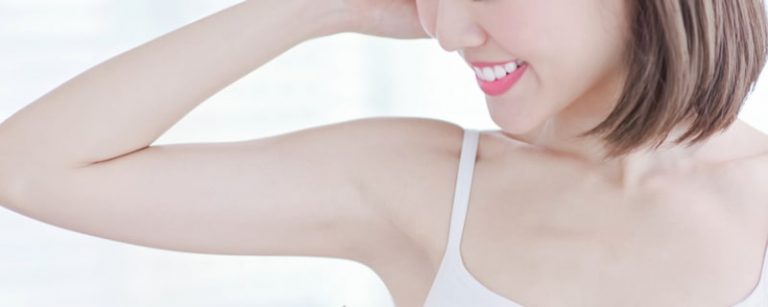
Hyperhidrosis is a condition in which the body produces an abnormally large amount of sweat.
It is classified into two types based on the area of the body affected:
- Generalized hyperhidrosis … Excessive sweating occurs over the entire body
- Focal hyperhidrosis … Excessive sweating occurs in areas with a high concentration of sweat glands (such as the underarms, palms, and soles of the feet)
Each type can be further divided into secondary hyperhidrosis, which is caused by an underlying condition, and primary hyperhidrosis, for which no clear cause has been identified.
Sweating itself is a completely natural bodily function that helps regulate body temperature in response to heat and physical activity.
However, people with hyperhidrosis sweat far in excess of what is needed for normal temperature regulation.
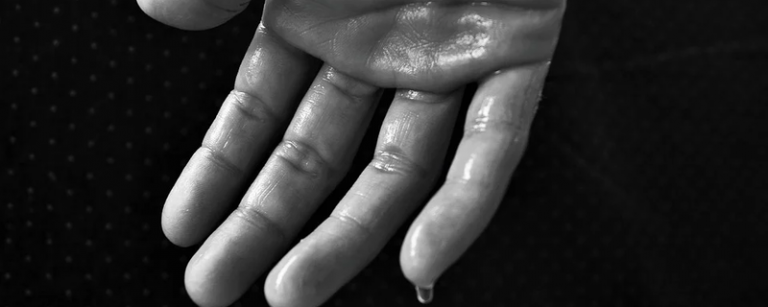
For example, the sweating may be severe enough to prevent someone from writing on paper due to sweaty palms, or so excessive that visible sweat marks and odor become a constant source of distress.
Sweating that interferes with daily life can also take a significant toll on a person’s mental well-being.
We frequently hear from patients who say things like, “I can’t concentrate at work because of my sweating,” or “Being pointed out by others has really knocked my confidence.”
To address these concerns, it is important for each patient to first understand which type of hyperhidrosis they have.
Below, we explain the characteristics and causes of both generalized and focal hyperhidrosis in detail.
What Is Generalized Hyperhidrosis?
Generalized hyperhidrosis is a type of hyperhidrosis in which excessive sweating occurs across the entire body.
While the precise causes of hyperhidrosis are not fully understood, generalized hyperhidrosis is thought to be associated with conditions such as neurological disorders, infections, and metabolic abnormalities.
What Is Focal Hyperhidrosis?
Focal hyperhidrosis is a type of hyperhidrosis in which excessive sweating occurs in specific areas of the body, such as the palms, underarms, or soles of the feet.
The condition is named according to the affected area:
- Facial hyperhidrosis
- Craniofacial hyperhidrosis (scalp/head)
- Axillary hyperhidrosis (underarms)
- Palmar hyperhidrosis (palms)
- Plantar hyperhidrosis (soles of the feet)
Focal hyperhidrosis may develop as a result of neurological damage caused by trauma or tumors, or it may arise when the sympathetic nervous system becomes dominant.
Some researchers suggest that genetic factors play a significant role; however, findings vary considerably across studies, and no definitive conclusions have been reached regarding the influence of genetics.
Hyperhidrosis vs. Underarm Odor (Axillary Osmidrosis) | Different Types of Sweat Glands Are Involved
Although hyperhidrosis—characterized by excessive sweating—and axillary osmidrosis (underarm odor)—characterized by a distinctive odor from the underarms—may seem similar, they are entirely different conditions.
Specifically, they differ in the type of sweat gland involved.
- Hyperhidrosis … Eccrine sweat glands
- Underarm odor (axillary osmidrosis) … Apocrine sweat glands
The differences between hyperhidrosis and axillary osmidrosis are explained below, along with a description of each type of sweat gland.
Apocrine Sweat Glands
Unlike eccrine sweat glands, which are distributed throughout the body, apocrine sweat glands exist only in certain areas and are responsible for the distinctive odor associated with axillary osmidrosis.
Apocrine sweat glands are found in the following locations:
- Underarms
- Ear canal
- Breasts
- Navel
- Genital area
- Anal region
Sweat produced by apocrine glands is more viscous than that from eccrine glands.
It contains substances such as fatty acids, urea, and ammonia that serve as nutrients for bacteria. As these bacteria break down these substances, a strong odor is produced.
Eccrine Sweat Glands
In hyperhidrosis, sweat is secreted from the eccrine sweat glands.
Eccrine sweat glands are distributed across almost the entire body and are responsible for the vast majority of sweat produced by the human body.
Sweat from eccrine glands is naturally odorless. It is approximately 99% water and has a watery consistency.
Odor from eccrine sweat occurs when sweat on the skin’s surface mixes with dead skin cells and sebum, which bacteria then break down.
This means that even with hyperhidrosis, sweat odor can be reduced by keeping the skin clean and managing sweat promptly.
Causes of Hyperhidrosis | Causes Differ by Type
The causes of hyperhidrosis differ between generalized and focal hyperhidrosis.
Below, we explain the causes of each type in detail.
Causes of Generalized Hyperhidrosis
Possible causes of generalized hyperhidrosis include the following:
| Thermoregulatory sweating | Exercise, rise in ambient temperature, fever, etc. |
|---|---|
| Endocrine / metabolic sweating | Menopause, hyperthyroidism, diabetes, etc. |
| Neurological sweating | Parkinson’s disease, etc. |
| Medication side effects | Psychotropic drugs, sleep aids, NSAIDs, corticosteroids, etc. |
| Infection-related sweating | Tuberculosis, sepsis, etc. |
| Primary (idiopathic) sweating | Cause unknown |
Generalized hyperhidrosis may present as one of the symptoms associated with these conditions.
Increased sweating is also commonly seen with antidepressants and corticosteroids, so patients taking these medications who notice a significant increase in sweating should be aware of this possibility.
In cases of primary hyperhidrosis where the cause is unknown, it is thought that the eccrine sweat glands are becoming overactive for some reason.
Causes of Focal Hyperhidrosis
Focal hyperhidrosis, in which excessive sweating is limited to specific areas of the body, is thought to result from the following factors:
| Emotional sweating | Nervousness, stress, etc. |
|---|---|
| Gustatory sweating | Eating spicy foods |
| Neurological sweating | Trauma, tumors, etc. |
| Other | Related to skin conditions |
Focal hyperhidrosis is often triggered by psychological stress or anxiety. This is because prolonged stress or tension causes the sympathetic nervous system—which plays a key role in regulating sweating—to become dominant.
Treatment Options for Hyperhidrosis | Choosing a Treatment Based on Symptom Severity

Hyperhidrosis treatments can broadly be divided into the following six categories:
| Treatment | Insurance Coverage | Cost | Advantages | Disadvantages | |
|---|---|---|---|---|---|
| Topical medication | Medication is applied to the affected area | × | ¥1,500–¥2,000 per prescription (tax included: ¥1,650–¥2,200) | Affordable and easy to start | Symptoms may return after stopping treatment |
| Oral medication | Medication is taken by mouth | △ Depends on the type | From ¥2,000/month (tax included: from ¥2,200) | Affordable and easy to start | Variable efficacy; side effects may occur |
| Herbal medicine (Kampo) | Herbal medicine is taken orally | △ Depends on the type | From ¥5,000/month (tax included: from ¥5,500) | Some options are available over the counter at pharmacies | Efficacy may be limited |
| Botulinum toxin injection | Botulinum preparation is injected into the affected area | △ Insurance covered only for severe axillary hyperhidrosis | ¥20,000–¥50,000 per session (tax included: ¥22,000–¥55,000) | A single treatment session can provide long-lasting effects | ・Involves some discomfort ・Treatment cost can be high |
| Iontophoresis | A mild electrical current is passed through the affected area | ◯ | Approx. ¥900 per session (approx. ¥990 tax included) | Affordable | Not applicable for axillary hyperhidrosis |
| Sympathectomy | Surgical removal of sympathetic nerves | ◯ | ¥120,000–¥150,000 (tax included: ¥132,000–¥165,000) | Highly effective for palmar hyperhidrosis | Risk of compensatory sweating |
| miraDry | Microwave energy is applied to the affected area ※underarms only | × | ¥200,000–¥400,000 (tax included: ¥220,000–¥440,000) | ・Treats both hyperhidrosis and underarm odor simultaneously ・Improvement may be achieved in 1–2 sessions | Not covered by insurance |
The choice of treatment is generally guided by the physician based on the severity of the patient’s hyperhidrosis; however, the final decision rests with the patient.
To help patients make an informed choice, we explain the details of each treatment option—including content, cost, and potential risks—below.
Treatment with Topical Medication

Topical medication (applied to the skin) is one of the most accessible ways to begin treating hyperhidrosis.
An aluminum chloride solution is used to block the sweat glands and reduce sweating. With continued use, a reduction in sweat secretion may also be expected.
It generally takes 2–3 weeks to notice an effect. Once sweating has stabilized, the frequency of application can be reduced to 2–3 times per week. This treatment can also be combined with other therapies.
The effects of topical medication last only as long as the medication is being used. Please be aware that hyperhidrosis may return if treatment is stopped.
■ Estimated cost
The typical cost is ¥1,500–¥2,000 per prescription, depending on the concentration of aluminum chloride. As insurance does not apply, the full cost is borne by the patient.
Treatment with Oral Medication

Oral medications used in the treatment of hyperhidrosis include the following:
- Propantheline bromide
- Oxybutynin
- Solifenacin succinate
Of these, only propantheline bromide is covered by insurance.
Oral medication is convenient as it simply requires taking a pill. However, we want patients to be aware that efficacy can vary and side effects may occur.
The most common side effect is dry mouth; some patients may also experience drowsiness.
■ Estimated cost
From ¥2,000 per month.
Treatment with Herbal Medicine (Kampo)
Herbal medicines used in the treatment of hyperhidrosis include the following:
- Boiogito (防已黄耆湯)
- Hochuekkito (補中益気湯)
- Ogikenchuto (黄耆建中湯)
- Keishikaogito (桂枝加黄耆湯)
These herbal formulas are primarily based on ōgi (astragalus root), which is known to have anti-sweating properties.
The effects of herbal medicine may be limited, and responses can vary from person to person. Patients considering herbal treatment are encouraged to consult a physician who specializes in Kampo medicine.
■ Estimated cost
Some options are available over the counter at pharmacies. The estimated cost is from ¥5,000 per month.
Botulinum Toxin Injection
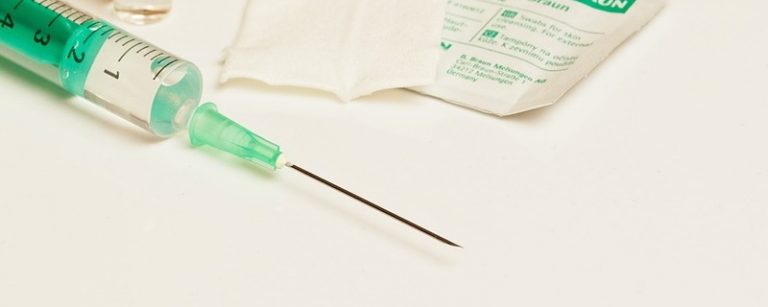
Botulinum toxin injection is a treatment that involves injecting a neurotoxin derived from Clostridium botulinum bacteria to suppress sweating.
The words “bacteria” and “toxin” may sound concerning, but the preparations used in hyperhidrosis treatment have been approved by Japan’s Ministry of Health, Labour and Welfare, and their efficacy and safety have been confirmed.
Botulinum toxin injection works by temporarily inhibiting muscle activity to suppress sweating. The effects generally last approximately 4–9 months (results may vary between individuals).
■ Estimated cost
Insurance coverage for botulinum toxin injection applies only to severe axillary hyperhidrosis. For detailed pricing at our clinic, please refer to the Hyperhidrosis Price List.
Treatment with Iontophoresis
Iontophoresis is a treatment in which the affected area—such as the hands or feet—is immersed in a water-filled tray, and a mild electrical current of 10–20 mA is applied to help reduce sweating.
Each session takes approximately 30 minutes, and undergoing 8–12 sessions may help improve symptoms.
To maintain the effects, continued treatment at a frequency of 1–2 times per week is recommended after completing the initial 8–12 sessions. On rare occasions, side effects such as redness or itching may occur.
■ Estimated cost
This treatment is covered by insurance, with a cost of approximately ¥900 per session.
Treatment with Sympathectomy
Sympathectomy is a surgical procedure in which the sympathetic nerves that regulate sweating are cut or cauterized.
The procedure is performed endoscopically, and is reported to be highly effective for palmar hyperhidrosis. Each side takes approximately 20 minutes to complete, and the incisions are only about 2–3 mm, making them barely noticeable.
However, compensatory sweating—excessive sweating in areas such as the chest, back, or buttocks—is observed in a notable number of patients following sympathectomy, and this can be a source of discomfort for some.
Compensatory sweating can be minimized by limiting the extent of nerve removal. Additionally, some patients who have long struggled with palmar hyperhidrosis feel that compensatory sweating is more manageable than their original symptoms.
If you are considering sympathectomy, please carefully weigh your lifestyle, the impact of your symptoms, and the possibility of compensatory sweating before making a decision.
■ Estimated cost
Sympathectomy is covered by insurance, and the patient’s out-of-pocket cost is ¥120,000–¥150,000.
Treatment with miraDry
Treatment with miraDry offers the following benefits:
- No scarring
- Treats underarm odor (axillary osmidrosis) at the same time
- Long-lasting effects
- Favorable safety profile
- Minimal downtime
Another notable feature of miraDry is its ability to treat both hyperhidrosis and underarm odor simultaneously.
The treatment cost of ¥200,000–¥400,000 may seem high at first glance, but once treatment is complete, no ongoing clinic visits or medication are required, and there are no ongoing maintenance costs.
miraDry is one of the most sought-after treatments at our clinic. We have received many positive comments from patients, including “My concerns have completely resolved” and “I’m so glad there was no pain or scarring.” For detailed pricing at our clinic, please refer to the Underarm Odor & Axillary Hyperhidrosis Price List.
The mechanism of miraDry is as follows:
STEP 1 Microwave Energy Is Applied to Two Types of Sweat Glands
There are two types of sweat glands—eccrine and apocrine—each producing sweat with different compositions.
- Eccrine sweat glands … The sweat they produce is approximately 98% water. It does not produce a notable odor.
- Apocrine sweat glands … The sweat they produce contains iron, fatty acids, ammonia, and other compounds. It is slightly viscous and is the source of the distinctive odor associated with axillary osmidrosis.
STEP 2 Microwave Energy Reaches the Sweat Glands
When microwave energy reaches the moisture-containing sweat glands, thermal destruction occurs.
miraDry delivers energy specifically to the eccrine and apocrine sweat glands without damaging surrounding tissues.
STEP 3 Simultaneous Cooling During Treatment
miraDry is equipped with a proprietary cooling system called “hydroCeramic cooling,” which continuously cools the treatment area while the procedure is performed.
This helps minimize discomfort and protects surrounding tissues from thermal damage during treatment.
IC Clinic’s Non-Surgical Hyperhidrosis & Underarm Odor Treatment: miraDry
Who Is This Treatment Recommended For?
- Those troubled by both hyperhidrosis and underarm odor
- Those who don’t have easy access to a clinic that offers hyperhidrosis treatment
- Those who find frequent clinic visits inconvenient
- Those who don’t want visible scarring
- Those who are hesitant about surgical procedures
There are several treatment options for hyperhidrosis, each with its own advantages and disadvantages. Medication-based treatments require ongoing use, while injections and surgery can place a greater physical burden on the body.
In contrast, miraDry can deliver long-lasting results from a single treatment session. It can address both hyperhidrosis and underarm odor at the same time, with minimal concern about pain or scarring.
If you are considering miraDry, please feel free to contact our clinic, which has extensive experience with this treatment.
View IC Clinic’s miraDry pricing now

Steps You Can Take Now to Help Manage Hyperhidrosis
In addition to professional medical treatment, reviewing your daily habits can also be beneficial in managing hyperhidrosis.
Here, we introduce three practical measures that may help with hyperhidrosis management.
Tip 1: Improve Your Diet and Lifestyle Habits
The first step we recommend for managing hyperhidrosis is reviewing your diet.
- Caffeine and spicy foods … These stimulate the sympathetic nervous system and can promote sweating.
Since a more reactive sympathetic nervous system tends to increase sweating, we recommend limiting stimulating foods and drinks as much as possible to help reduce sweat output.
- Quitting smoking … Nicotine in cigarettes is known to stimulate the sweat glands.
Smoking may contribute to hyperhidrosis.
Even gradually reducing the number of cigarettes smoked may help ease symptoms in some cases, so we encourage patients to actively work toward quitting or cutting back for the sake of managing their hyperhidrosis.

Tip 2: Manage Stress
Stress from nervousness and anxiety can also activate the sympathetic nervous system and promote sweating.
A low-stress lifestyle is ideal for managing hyperhidrosis, but in today’s fast-paced world, concerns about work, studies, and relationships are a reality for most people.
When you are feeling significant stress, try first to give your mind and body a chance to refresh. Even a temporary break from stress may help reduce the amount of sweating associated with hyperhidrosis.
Taking time to simply rest and unwind can be helpful, as can physical activity to release tension.
Finding your own way to decompress—and making a conscious effort to minimize time spent feeling anxious or on edge—can make a meaningful difference.
Tip 3: Keep the Affected Area Clean
To prevent odor and skin conditions related to hyperhidrosis, it is important to keep areas prone to sweating clean at all times.
When you sweat heavily, showering or wiping down your body regularly is recommended. If showering is not an option, carrying a spare undershirt or change of clothes can be a practical solution.
Making use of deodorant products and maintaining good personal hygiene can help keep symptoms more manageable.
Frequently Asked Questions About Hyperhidrosis
Sweating due to fatigue alone is not sufficient for a diagnosis of hyperhidrosis.
This is because the main characteristic of hyperhidrosis is an abnormal increase in the amount of sweating, and the triggers for sweating can vary considerably from person to person.
If fatigue-related sweating is so excessive that it interferes with daily life, a diagnosis of hyperhidrosis may be appropriate.
Having hyperhidrosis does not mean you are more prone to heat stroke.
There are three types of medical departments that can treat hyperhidrosis:
1. Dermatology / Plastic Surgery
2. Psychiatry / Psychosomatic Medicine
3. Cosmetic Surgery
Treatment options for hyperhidrosis include oral medications, topical medications, injections, and microwave therapy, among others.
Dermatology and plastic surgery clinics typically focus on treatments that directly suppress sweating. For hyperhidrosis with a psychological component, improvement may be possible through counseling or psychotherapy at a psychiatric or psychosomatic medicine clinic.
Cosmetic surgery clinics are notable for offering treatments using ultrasound and laser technology.
We recommend choosing your medical department based on a comprehensive assessment of available treatments, costs, and aftercare.
Yes.
Hyperhidrosis in children can sometimes be recognized as early as around age 3. Common concerns include paper becoming wrinkled from sweaty hands during drawing, or difficulty holding dishes and game controllers.
Hyperhidrosis can be a serious concern for children as well. Some children feel anxious about their future because of their sweating, so parents and guardians are encouraged to provide thoughtful support.
In focal hyperhidrosis with excessive sweating on the feet, eczema between the toes and skin peeling can occur.
The eczema associated with hyperhidrosis is known as dyshidrotic eczema, and is characterized by small, itchy blisters on the hands and feet.
While the precise cause is not fully understood, keeping the affected area clean—such as by wiping sweat away regularly—may help prevent skin peeling.
Hyperhidrosis is most commonly seen in people in their teens to thirties.
Onset often occurs in childhood or adolescence, and the condition affects males and females in roughly equal proportions.
Some observations suggest that symptoms may improve with age; however, many patients continue to be affected by hyperhidrosis into their forties and fifties.
A Dedicated Team Focused on Outcomes — Trust IC Clinic with Your Hyperhidrosis Treatment
Excessive sweating that interferes with daily life can have a negative impact on a patient’s mental well-being and personal relationships.
There are often struggles that only the patient themselves can truly understand, and many patients have spent years dealing with their concerns alone.
At our clinic, we are committed to proposing the most appropriate treatment options to help address each patient’s individual concerns.
For detailed pricing on underarm odor and axillary hyperhidrosis treatments at our clinic, please visit the Underarm Odor & Axillary Hyperhidrosis Price List.
We provide full transparency on treatment details, costs, and potential risks, so even those who feel anxious about treatment are welcome to contact us with peace of mind.