
Appointments for “felon (paronychia/whitlow)” are available only at the Dermatology Outpatient Department of IC Clinic Shinjuku.
“What kind of condition is a felon (whitlow)?”
“What causes a felon?”
If you are troubled by swelling around the hands or nails, you are not alone.
A felon is an infection that develops when bacteria enter through a wound around a finger or nail.
This article explains the characteristics of a felon, including how it spreads and how it is treated.
The latter half of the article also covers the effectiveness of over-the-counter medications and prevention methods, so please read to the end.
Table of Contents
- 1 What kind of condition is a felon (whitlow)?
- 2 Causes of a felon (whitlow) | Can it spread to others?
- 3 What are the symptoms of a felon (whitlow)?
- 4 How is a felon (whitlow) diagnosed?
- 5 How is a felon (whitlow) treated? Including information on Gentacin ointment
- 5.1 Treatment for felon (whitlow) (1): When mild redness and pain are present
- 5.2 Treatment for felon (whitlow) (2): When pus has formed and the area has turned yellow
- 6 Are over-the-counter medications effective for a felon (whitlow)? Including information on Oronine
- 7 How can you prevent a felon (whitlow)? Prevention methods explained
- 8 Frequently asked questions about felon (whitlow)
- 8.1 What should I do if my baby develops a felon (whitlow)?
- 8.2 Which medical department should I visit for a felon (whitlow)?
- 9 For felon (whitlow) treatment in Tokyo, please consult IC Clinic

What kind of condition is a felon (whitlow)?
A felon (whitlow) is an acute inflammation that occurs around the nails of the hands or feet.
It is an infection caused by bacteria entering through a small wound near the fingernail or toenail, and is also referred to as cellulitis (houkaShikien).
It commonly develops in people who have wounds around their nails or whose fingers tend to stay moist. For this reason, those who suck their fingers or frequently do wet work should take care.
Similar conditions include the following:
- Herpetic whitlow
- Candidal paronychia
- Paronychia caused by psoriasis
Although these conditions present with similar symptoms, their treatments differ, so please consult a physician for a proper diagnosis.
Causes of a felon (whitlow) | Can it spread to others?
The cause of a felon is inflammation triggered when Staphylococcus or Streptococcus—bacteria normally present on the skin—enter through a wound. In general, it does not spread from person to person.
External factors that may contribute to a felon include the following:
- Hangnails, chapped hands, cutting nails too short
- Ingrown nails, involuted nails
- Nail polish, gel nails
- Nail-biting habits, finger-sucking
- Dirt, mud, and dust from wet work
- Splinter injuries, wood fragments
Frequent wet work or regular use of nail products can weaken the skin’s barrier function, making inflammation more likely to develop.
What are the symptoms of a felon (whitlow)?
The main symptom of a felon is painful redness and swelling around the nails of the hands or feet.
Depending on the type of bacteria involved, pus may also develop at the affected area.
In some cases, the nail may separate, or inflammation may spread along the lymphatic vessels of the arm or shin, leading to lymphangitis.
How is a felon (whitlow) diagnosed?
A felon is most commonly diagnosed based on its symptoms. When pus is present, bacterial culture testing is performed to confirm the diagnosis.
There are also various skin conditions with symptoms similar to those of a felon. The main conditions and their characteristics are listed below. These are used to distinguish a felon from other skin conditions.
| Type of Skin Condition | Characteristics |
|---|---|
| ・Candidal paronychia ・Tinea-related paronychia |
・Painful redness and swelling ・Mild but prolonged |
| ・Herpetic whitlow | ・Herpes simplex occurring at the fingertip |
| ・Eczematous paronychia | ・Eczema also appears on other fingers ・Accompanied by itching |
| ・Paronychia due to psoriasis ・Paronychia due to palmoplantar pustulosis |
・Inflammation often appears in other areas as well ・Pitting (small depressions) on the nails |
It can be difficult to distinguish a felon from other skin conditions on your own, so if you notice any unusual sensation in your fingertip, please see a physician.
How is a felon (whitlow) treated? Including information on Gentacin ointment
Treatment for a felon varies depending on the severity of symptoms.
Symptoms of a felon generally fall into the following two categories:
- Mild redness and pain
- Pus formation with yellowing of the affected area
In general, felons are commonly treated with antibiotics. Depending on how the inflammation has progressed, a topical antibiotic ointment such as Gentacin may also be used.
Below, we explain the treatment approach for each type of symptom.
Treatment for felon (whitlow) (1): When mild redness and pain are present
When mild redness and pain are present, oral antibiotics are prescribed.
If there is redness and pain around the nail due to inflammation, the condition is in its early stages and pus has not yet accumulated.
In this case, antibiotics with activity against Staphylococcus aureus—a common cause of felon—are used for treatment.
Depending on the symptoms, a topical antibacterial ointment such as Gentacin may also be used in combination.
Treatment for felon (whitlow) (2): When pus has formed and the area has turned yellow
When pus has formed and the area has turned yellow, the pus needs to be drained from the affected site.
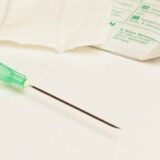
Because the skin around the nail is thick, pus does not drain naturally on its own. The physician will make an incision or create a small opening with a needle to allow the pus to drain.
Treatment primarily involves oral antibiotics, but when the wound inflammation is more severe, applying a topical antibacterial ointment such as Gentacin may help promote healing.
Are over-the-counter medications effective for a felon (whitlow)? Including information on Oronine
The over-the-counter product “Oronine” has been recognized as having some effect on felon.
Oronine contains ingredients with antiseptic properties, and may help suppress the growth of bacteria on the skin surface.
Other over-the-counter products that have shown some effect on felon include:
- Terra-Cortril
- Dolmycin ointment
- Terramycin ointment
- Isodine antiseptic solution
- Sterile gauze and tape
- High-quality adhesive bandages
Over-the-counter medications may help reduce inflammation or have antibacterial properties, but in many cases they do not address the underlying cause. Please keep in mind that they are intended only to help relieve symptoms.
How can you prevent a felon (whitlow)? Prevention methods explained
The following measures may help prevent a felon:
- Disinfect wounds and keep the skin clean
- Moisturize regularly
- Avoid leaving hands wet
A felon develops when bacteria enter through a small wound on the fingertip.
Keeping the skin clean and preventing chapped hands are therefore important steps in reducing the risk of a felon.
Frequently asked questions about felon (whitlow)
Below are answers to frequently asked questions about felon.
What should I do if my baby develops a felon (whitlow)?
If your baby develops a felon, please visit a pediatric outpatient clinic as soon as possible.
Babies’ fingertips are prone to becoming moist and sustaining small wounds due to finger-sucking.
If a bacterial infection progresses, it may require oral antibiotics or drainage of pus, so prevention is important to avoid felon from developing in the first place.
Which medical department should I visit for a felon (whitlow)?
A felon can be treated at a dermatology or orthopedic clinic, among others.
Once inflammation has progressed and pus begins to form, natural healing becomes unlikely, so please see a physician promptly.
For felon (whitlow) treatment in Tokyo, please consult IC Clinic
A felon can develop from a wound so small that you may not even notice it.
Over-the-counter medications are often insufficient for addressing the underlying condition, and pus may develop as inflammation progresses.
In some cases, incision may be necessary once pus has formed, so if you suspect a felon, please seek medical attention as soon as possible.
IC Clinic strives to be a welcoming clinic for patients of all ages and backgrounds.
Whatever your symptoms, we will work with you to recommend a treatment approach that puts your mind at ease. If you are experiencing redness or pain in your fingertips, please do not hesitate to contact IC Clinic.

Appointments for “felon (paronychia/whitlow)” are available only at the Dermatology Outpatient Department of IC Clinic Shinjuku.