
This page is supervised and written by specialist physicians at IC Clinic.
Rosacea / Facial Redness: A Complete Guide to Treatment

What Is Rosacea (Facial Redness)? Causes, Symptoms, and Two Treatment Options
“I’m troubled by persistent redness on my face.”
“I want to improve my facial redness, but I’m not sure what treatment options are available.”
Do any of these concerns sound familiar?
If you notice visible blood vessels on your nose or your face turns red after sun exposure, rosacea may be the underlying cause.
Because rosacea and facial redness are difficult to address through self-care alone, consulting a clinic is advisable. This page explains the causes and symptoms of rosacea, as well as the two treatment options available at our clinic.
- What is rosacea (facial redness)? — Persistent redness on the nose and cheeks
- How is rosacea (facial redness) treated? — Our two treatment approaches
- Daily skincare also plays an important role in rosacea treatment
- Six features of our clinic that patients appreciate
What Is Rosacea (Facial Redness)? — Persistent Redness on the Nose and Cheeks
If you are troubled by redness on your nose or cheeks, you may be experiencing rosacea.
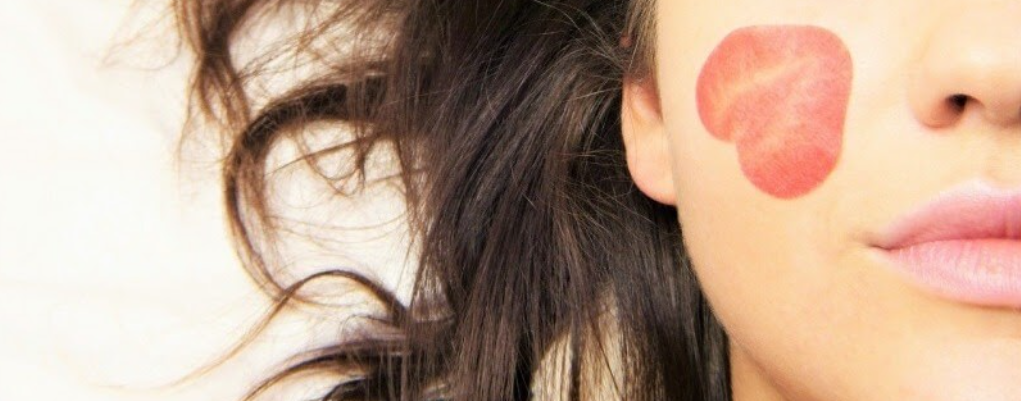
Rosacea is a skin condition in which the face — particularly the nose and both cheeks — becomes generally red.
Below we explain the symptoms and causes of rosacea. Please check whether any of the descriptions apply to you.
Symptoms of Rosacea (Facial Redness)
When rosacea develops, flushing and temporary redness of the face recur repeatedly, and persistent facial redness gradually sets in. In chronic cases, acne-like red bumps and pus-filled lesions may also appear.
Rosacea can be classified into the following four subtypes based on the severity of symptoms.
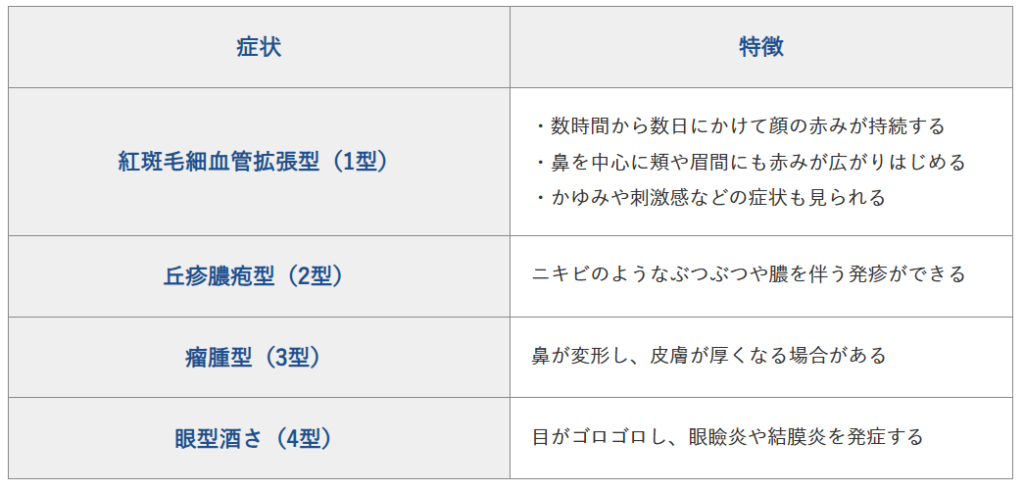
Please note that symptoms may overlap, so a clear-cut classification into a single subtype is not always possible.
Causes of Rosacea (Facial Redness)
The precise cause of rosacea has not been fully established. Symptoms tend to appear when capillaries dilate and allow a greater volume of blood to flow through them than normal.
Factors that may worsen rosacea-related facial redness include the following.
・Consumption of irritants (spicy foods, etc.)
・Consumption of alcohol or caffeine
・Sudden temperature changes
・UV exposure
・Strong emotions
・Exercise
・Hormonal imbalances
・Smoking
In addition, applying heavy foundation to conceal redness can cause rosacea to worsen due to the irritation caused by makeup remover.
How Is Rosacea (Facial Redness) Treated? — Our Two Treatment Approaches
Our clinic offers the following two treatment options to help improve rosacea and facial redness.
・V-Beam laser
・Medication-based treatment
Below we explain the features, benefits, and potential side effects of each option.
V-Beam Laser
V-Beam is a treatment that delivers laser light deep into the skin to help address a variety of skin conditions.
Unlike conventional laser treatments that target dark melanin pigment, V-Beam targets red pigment. By acting on hemoglobin in the blood, it is a treatment approach that may help improve the facial redness associated with rosacea.
V-Beam is also equipped with a cooling system, which helps reduce discomfort during treatment and minimizes stress on the skin. It may also offer skin-beautifying benefits such as improved firmness, radiance, and a reduction in fine lines.
Additionally, V-Beam treatment for three specific conditions — port-wine stain, strawberry hemangioma, and telangiectasia — may be covered by insurance. Sessions are typically scheduled once every three months.
If you are concerned about rosacea or facial redness, please feel free to consult our clinic. The page linked below introduces the V-Beam treatment process and associated costs, so please take a look.
Medication-Based Treatment
Rosacea can also be treated with oral medications.
Topical agents such as “sulfur camphor lotion” may be used as part of the treatment.
Please note that medication-based treatment does not produce results on the same day. Improving rosacea and facial redness requires consistent, long-term use of medication and ongoing treatment.
Daily Skincare Also Plays an Important Role in Rosacea Treatment
Daily skincare is important for preventing rosacea from worsening. For those concerned about facial redness, UV protection and moisturizing are particularly beneficial.
UV rays cause facial capillaries to dilate, so applying sunscreen is recommended as part of rosacea management. Sunscreens that do not contain UV-absorbing chemicals tend to be less likely to irritate the skin.
Because rosacea-prone skin tends to be dry and sensitive, protecting the skin through moisturizing is also important. Look for a highly moisturizing lotion that contains the moisturizing ingredients ceramide and hyaluronic acid.
Six Features of Our Clinic That Patients Appreciate

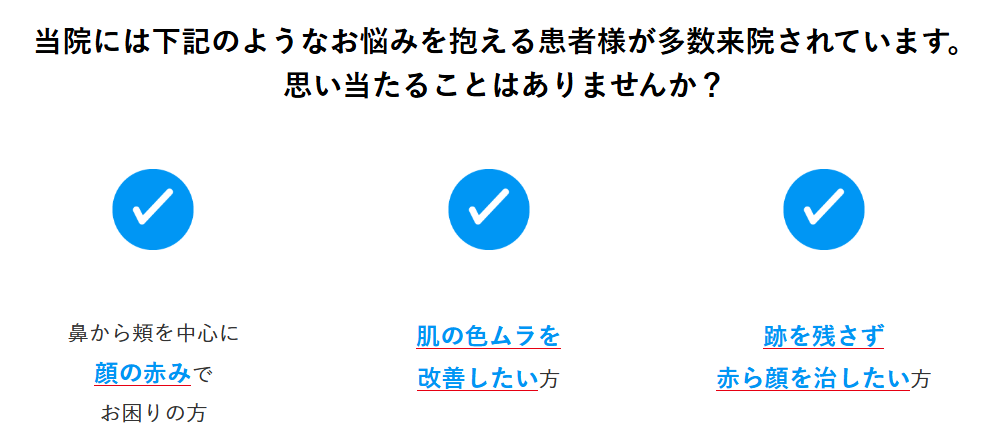
Our clinic offers treatments such as V-Beam for rosacea and facial redness. Depending on your symptoms, insurance-covered treatment may be available, so please do not hesitate to contact us.
Detailed Diagnostic Criteria and Self-Check for Rosacea
Five Key Points for Diagnosing Rosacea
The following five points are important for an accurate diagnosis of rosacea. The more items that apply, the higher the likelihood of rosacea.
□ Persistent redness on the nose and cheeks (lasting 3 months or more) This refers not to temporary flushing, but to chronic redness that persists over time. It is typically noticeable even through makeup.
□ Recurring episodes of heat and flushing A sensation of warmth or burning in the face occurs repeatedly. This is often triggered by emotional arousal or temperature changes.
□ Red bumps (papules and pustules) Acne-like red lesions appear on the central area of the face. Unlike acne, however, comedones (blackheads/whiteheads) are not present.
□ Visible capillaries Blood vessels are visible through the skin (telangiectasia), particularly around the sides of the nose and on the cheeks.
□ Ocular symptoms (blepharitis, conjunctivitis) Eye-related symptoms such as redness, dryness, a foreign-body sensation, and eyelid inflammation may also occur.
Severity Classification System for Rosacea
Rosacea symptoms are medically classified into the following four stages. This classification serves as an important indicator for determining the appropriate course of treatment.
Stage 1: Erythematous Stage
- Symptoms: Transient redness and flushing of the nose and cheeks
- Characteristics: Symptoms worsen with stress or changes in climate
- Treatment: Lifestyle guidance, mild topical therapy
Stage 2: Papulopustular Stage
- Symptoms: Persistent redness accompanied by red bumps and pustules
- Characteristics: Acne-like lesions without comedones
- Treatment: Oral medication combined with V-Beam laser
Stage 3: Phymatous Stage
- Symptoms: Thickening of the nose with an uneven surface texture
- Characteristics: Seen mainly in men; the nose becomes red and swollen
- Treatment: Surgical treatment, laser therapy
Stage 4: Ocular Rosacea
- Symptoms: Conjunctivitis, blepharitis, dry eye
- Characteristics: May appear independently of skin symptoms
- Treatment: Requires coordinated treatment with an ophthalmologist
Detailed Differential Diagnosis: Rosacea vs. Similar Conditions
Why Accurate Diagnosis Matters
Because rosacea shares symptoms with many other skin conditions, accurate diagnosis is key to successful treatment. Inappropriate treatment resulting from misdiagnosis may worsen symptoms.
Comparison with Key Differential Diagnoses
Rosacea vs. Acne Vulgaris
| Feature | Rosacea | Acne |
|---|---|---|
| Age of onset | 30s–50s | Adolescence |
| Comedones | Absent | Present |
| Distribution | Central face | Entire face, trunk |
| Telangiectasia | Present | Absent |
| Ocular symptoms | Often present | Absent |
Rosacea vs. Seborrheic Dermatitis
| Feature | Rosacea | Seborrheic Dermatitis |
|---|---|---|
| Scaling | Absent / mild | Prominent |
| Itching | Absent / mild | Intense |
| Distribution | Nose and cheeks | Nasal folds, glabella, hairline |
| Fungal involvement | Absent | Present (Malassezia) |
Rosacea vs. Contact Dermatitis
| Feature | Rosacea | Contact Dermatitis |
|---|---|---|
| Onset | Chronic, recurrent | Acute, transient |
| Causative agent | Difficult to identify | Clear history of contact |
| Distribution | Specific areas | Contact site |
| Treatment response | Takes time | Improves with removal of cause |
Important Points in Diagnosis
Steroid-Induced Rosacea-Like Dermatitis Prolonged use of topical corticosteroids may produce symptoms resembling rosacea. In such cases, gradual tapering of the steroid and alternative treatments are required.
Drug-Induced Erythema Certain medications with vasodilatory effects (such as antihypertensives and nitrates) may produce rosacea-like symptoms. Reviewing current medications is important in the diagnostic process.
Detailed Guide to V-Beam Laser Treatment
Mechanism of Action of V-Beam Laser
V-Beam is a pulsed dye laser with a wavelength of 595 nm. Because this specific wavelength is selectively absorbed by hemoglobin in the blood, it exerts the following therapeutic effects.
Treatment Mechanism
- Laser light is absorbed by hemoglobin
- Thermal energy causes coagulation of blood vessels
- Dilated capillaries contract and diminish
- Inflammatory response is suppressed
- Skin redness improves
Conditions That May Be Treated
Insurance-Covered Conditions
- Port-wine stain
- Strawberry hemangioma
- Telangiectasia
Self-Pay Treatment Conditions
- Facial redness due to rosacea
- Post-acne redness
- Vascular lesions for cosmetic purposes
How V-Beam Treatment Works: Step by Step
Pre-Treatment Preparation
- Cleanse the face thoroughly to remove all cosmetics
- Photograph the treatment area (for outcome assessment)
- Apply eye shields to protect the eyes
During Treatment
- Configure laser irradiation parameters
- Apply cooling gas to protect the skin
- Deliver laser irradiation in a gradual, systematic manner
- Monitor the patient’s comfort and response
- Assess skin condition after irradiation
Post-Treatment
- Apply cooling to reduce inflammation
- Apply moisturizer and sunscreen
- Provide aftercare instructions
- Discuss scheduling of the next session
Objective Evaluation of Treatment Outcomes
Our clinic uses the following methods to objectively evaluate treatment outcomes.
Photographic Assessment
- Standardized photographs taken before and after treatment
- Numerical scoring of redness severity (scale of 1–10)
- Measurement of the extent of telangiectasia
Patient Satisfaction Survey
- Self-reported improvement in symptoms (5-point scale)
- Changes in quality of life (QOL)
- Motivation to continue treatment
Detailed Overview of Oral and Topical Medication Treatment
Main Oral Medications Used for Rosacea
Tetracycline-Class Antibiotics
- Minocin (minocycline)
- Vibramycin (doxycycline)
- Action: Anti-inflammatory effect, improvement of vascular permeability
- Duration of use: Typically 2–6 months
Metronidazole
- Brand name: Flagyl
- Action: Anti-inflammatory, antioxidant
- Characteristics: First-line agent in Western countries
- Side effects: Gastrointestinal symptoms, metallic taste
Other Oral Medications
- Isotretinoin (for severe cases)
- Low-dose aspirin (to suppress vascular inflammation)
- Kampo herbal medicine (Seijobofutsu-to, Jumihaido-to)
Topical Medication Treatment Options
Metronidazole Gel
- Concentration: 0.75%
- How to use: Apply a thin layer to the affected area twice daily
- Onset of effect: 2–4 weeks
- Side effects: Mild irritation
Sulfur Camphor Lotion
- Ingredients: Sulfur, camphor, zinc oxide
- Action: Anti-inflammatory, antibacterial, keratolytic
- How to use: Apply 1–2 times daily
- Note: Prone to causing dryness; use in combination with a moisturizer
Azelaic Acid Cream
- Concentration: 15–20%
- Action: Anti-inflammatory, normalizes keratinization
- Characteristics: May be used during pregnancy
- Effect: Tendency toward improvement within 2–3 months
Brimonidine Gel
- Action: Temporary reduction of redness through vasoconstriction
- Duration of effect: Approximately 12 hours
- How to use: Apply once in the morning
- Note: Possibility of rebound effect
Lifestyle Guidance and Preventive Measures for Rosacea
Detailed Classification of Triggers and Management Strategies
Dietary Triggers
Foods to Avoid
- Spicy foods: Chili peppers, wasabi, mustard, pepper, kimchi
- Hot foods: Hot soups, ramen, hot pot dishes
- Alcohol: Particularly red wine, beer, sake, and whisky
- Caffeine: Coffee, black tea, green tea, energy drinks
- Histamine-containing foods: Cheese, wine, fermented foods, tomatoes
- Others: Chocolate, vanilla, soy sauce, vinegar
Recommended Foods
- Anti-inflammatory foods: Fish (omega-3 fatty acids)
- Antioxidant-rich foods: Blueberries, yellow and green vegetables
- Probiotics: Yogurt, fermented foods (in moderation)
- Hydration: Room-temperature water, herbal tea
Environmental Triggers
Climate and Environmental Management
- Avoid sudden temperature changes
- Maintain indoor temperature at 20–24°C
- Keep humidity at 50–60%
- Avoid exposure to strong wind and dry environments
- Avoid saunas and heated stone baths
Thorough UV Protection
- Use SPF 30 or higher sunscreen every day
- Choose physical UV blockers (zinc oxide, titanium dioxide)
- Make active use of hats and UV-protective umbrellas
- Limit outdoor activity between 10 a.m. and 2 p.m.
Psychological and Physical Triggers
Stress Management
- Ensure adequate sleep (7–8 hours)
- Engage in moderate exercise (avoid strenuous activity)
- Learn relaxation techniques
- Maintain a regular daily routine
Notes on Exercise
- Avoid vigorous aerobic exercise
- Light activities such as yoga and walking are recommended
- Wipe away sweat promptly after exercise
- Apply thorough UV protection when exercising outdoors
Detailed Skincare Guidelines
A Skincare Routine Tailored for Rosacea Patients
Morning Skincare
- Cleansing (5 minutes)
- Pre-rinse with lukewarm water (32–34°C)
- Lather a cleanser formulated for sensitive skin thoroughly
- Gently cleanse by surrounding the skin with lather rather than rubbing
- Rinse thoroughly and pat dry gently with a towel
- Moisturizing (3 minutes)
- Warm a ceramide-containing lotion in your palms before applying
- Apply a hyaluronic acid serum for additional hydration
- Finish with a fragrance-free moisturizing cream
- UV Protection (2 minutes)
- Apply a sunscreen containing physical UV-blocking agents
- SPF 30 or higher, PA+++ or higher
- Apply evenly over the entire face
Evening Skincare
- Makeup Removal (5 minutes)
- Use an oil-free makeup remover
- Lift away makeup without rubbing
- Avoid double-cleansing
- Cleansing (5 minutes)
- Cleanse using the same method as in the morning
- Apply moisturizer promptly after cleansing
- Application of Prescription Topical Medication (3 minutes)
- Apply the topical medication prescribed by your physician
- Once the medication has dried, layer moisturizer on top
- Night Moisturizing (5 minutes)
- Use a richer moisturizing cream than during the day
- Apply an extra layer to areas of particular dryness
Guidelines for Choosing Skincare Products
Recommended Ingredients
- Ceramide: Supports improvement of the skin barrier function
- Hyaluronic acid: Moisturizing effect
- Niacinamide: Anti-inflammatory action
- Allantoin: Promotes skin repair
- Glycyrrhizic acid: Anti-inflammatory action
Ingredients to Avoid
- Alcohol (ethanol): Skin irritant
- Fragrances and colorants: May trigger allergic reactions
- Retinol: Skin irritant
- AHA/BHA: Exfoliating action
- Menthol: Vasodilatory action
Frequently Asked Questions About Rosacea Treatment (Detailed)
Questions About Treatment
Because rosacea is a chronic condition, the concept of a “complete cure” is not always straightforward. However, appropriate treatment can lead to significant improvement in symptoms. Based on the clinical experience at our clinic, approximately 87% of patients have achieved improvement to a level where symptoms are no longer a concern in daily life. The primary goal is to control symptoms and improve overall quality of life.
V-Beam is equipped with a dynamic cooling device (DCD) that significantly reduces discomfort during treatment. Many patients describe the sensation as similar to a light snap of a rubber band.
The duration varies depending on the severity of symptoms, but the following timelines are generally expected:
Mild: 3–6 months (2–3 sessions)
Moderate: 6–12 months (4–6 sessions)
Severe: 12–24 months (6–10 sessions)
For insurance-covered treatment, the cost is approximately ¥3,000–¥8,000 per session (at 30% co-payment). Self-pay treatment is ¥15,000–¥30,000 per session. Total treatment costs vary depending on symptoms, but for insurance-covered cases, the overall amount is typically around ¥20,000–¥50,000.
Yes, it can. Combining oral medication with V-Beam laser therapy may offer more effective results. Consistent use of an appropriate skincare routine alongside treatment is also important.
Questions About Daily Life
Q6: Can I wear makeup during treatment? Please avoid applying makeup to the treated area for 24 hours after V-Beam treatment. After that, you may resume wearing makeup as normal. We recommend using cosmetics with minimal irritating ingredients.
Q7: Are there any restrictions on exercise? Vigorous exercise promotes vasodilation, so please keep physical activity moderate during the treatment period. Light activities such as walking or yoga are generally fine.
Q8: Do I need to stop drinking alcohol entirely? Complete abstinence is not required, but alcohol is a major trigger for worsening symptoms. We recommend limiting alcohol as much as possible during treatment, and if you do drink, keeping it to a moderate amount (approximately one unit of sake or equivalent).
Q9: Can treatment be carried out during pregnancy or while breastfeeding? V-Beam laser treatment can generally be performed safely during pregnancy and breastfeeding. While certain oral medications may be restricted, treatment using topical medications and lifestyle guidance can continue.
Q10: Can men receive treatment? Absolutely. Rosacea affects people regardless of gender, and many male patients are treated at our clinic. We have received particularly positive feedback from men working in sales and customer-facing roles.
Latest Research and Future Perspectives in Rosacea Treatment
Recent Findings on the Pathogenesis of Rosacea
Immunological Mechanisms Recent research has clarified that abnormal activation of the innate immune system is involved in the development of rosacea. In particular, overactivation of Toll-like receptors (TLRs) is thought to increase the production of inflammatory cytokines, leading to sustained vasodilation and inflammatory responses.
Association with the Gut Microbiome Disruption of the gut microbiome (dysbiosis) has been suggested as a possible factor in the onset and worsening of rosacea. In particular, an association between Helicobacter pylori infection and rosacea has been reported, and cases in which symptoms improved following eradication therapy have also been documented.
Neurovascular Dysregulation It has become apparent that patients with rosacea experience abnormal vasodilatory responses that would not normally occur due to dysregulation of the neurovascular system. This means that even minor stimuli can trigger symptoms.
Development of New Treatment Approaches
Next-Generation Laser Technology
- New laser systems enabling more precise targeting of blood vessels
- Cooling systems that significantly reduce discomfort
- High-efficiency irradiation methods that may reduce the number of sessions required
Emerging Pharmacological Treatments
- Clinical application of TNF-α inhibitors
- Topical formulations of calcineurin inhibitors
- Vascular endothelial growth factor (VEGF) inhibitors
Regenerative Medicine and Cell-Based Therapies
- Stem cell therapy for vascular regeneration
- Application of platelet-rich fibrin (PRF) therapy
- Research into exosome-based therapies
Specialist Treatment for Severe Rosacea (Phymatous Stage)
Characteristics and Diagnosis of Rhinophyma
Rhinophyma is the most severe form of rosacea and is seen primarily in men over the age of 50. Overgrowth of the sebaceous glands and connective tissue causes the nose to become red and enlarged, with an irregular surface texture.
Stages of Rhinophyma
- Early stage: Mild swelling and redness at the tip of the nose
- Progressive stage: Visible nasal deformity and irregular surface
- Severe stage: Marked nasal enlargement and functional impairment
Treatment Options for Rhinophyma
Surgical Treatment
- Electrosurgery (electrocautery and excision)
- CO₂ laser resurfacing
- Dermabrasion
- Surgical excision with skin grafting
Minimally Invasive Treatment
- Fractional CO₂ laser treatment
- Combination therapy with V-Beam laser
- Liquid nitrogen cryotherapy
Treatment Selection Criteria
- Mild: V-Beam laser alone
- Moderate: CO₂ laser combined with V-Beam
- Severe: Surgical excision with reconstructive procedure
Ocular Rosacea: A Detailed Overview
Symptoms and Diagnosis of Ocular Rosacea
Ocular symptoms occur in approximately 50% of rosacea patients. Eye symptoms can precede skin symptoms, making careful observation important.
Common Ocular Symptoms
- Blepharitis: Redness, swelling, and itching of the eyelids
- Conjunctivitis: Redness of the whites of the eyes, foreign-body sensation
- Dry eye: Reduced tear production, dryness
- Stye (hordeolum): Recurring styes
- Chalazion: Lumps on the eyelid
- Keratitis: A serious complication that can affect vision
Treatment Approach for Ocular Rosacea
Coordinated Care with Ophthalmology For patients with ocular symptoms, our clinic provides referrals to trusted ophthalmology specialists and coordinates treatment collaboratively.
Treatment Methods
- Warm compress: Warm, moist compresses on the eyelids (twice daily for 10 minutes)
- Eyelid hygiene: Cleansing with a dedicated eyelid cleanser
- Artificial tears: To relieve dry eye symptoms
- Antibiotic eye drops: For prevention and treatment of bacterial infection
- Immunosuppressants: For use in severe cases
Addressing the Psychological Impact of Rosacea
The Impact of Rosacea on Quality of Life (QOL)
The visible changes associated with rosacea can have a significant psychological impact on patients. At our clinic, we place great importance on psychological support alongside physical treatment.
Common Psychological Effects
- Reduced self-esteem
- Anxiety in social situations
- Avoidance of interpersonal relationships
- Development of depressive symptoms
- Interference with work or studies
Our Approach to Psychological Support
Counseling Support
- Thorough explanation and counseling before treatment begins
- Addressing concerns and questions during treatment
- Referrals to psychological counselors when needed
- Opportunities for patients to share information with one another
Mental Health Improvement Strategies
- Objective self-assessment through symptom diary keeping
- Building confidence through the accumulation of small improvements
- Support in explaining the condition to family members and friends
- A gradual, step-by-step approach to returning to social activities
Long-Term Management for Prevention and Relapse Prevention
Long-Term Follow-Up After Treatment
Regular Follow-Up Schedule
- 1 month after treatment completion: Confirmation of outcomes
- 3 months: Assessment of symptom stability
- 6 months: Evaluation of long-term effects
- 1 year: Annual assessment and maintenance planning
- Thereafter: Routine check-ups once or twice a year
Relapse Prevention Strategies
- Identifying individual trigger patterns
- Strategies for managing seasonal fluctuations
- Continued stress management practices
- Maintaining a consistent, appropriate skincare routine
Self-Monitoring Methods
The Importance of Keeping a Symptom Record We encourage patients to keep a “symptom diary.” Recording the items below makes it possible to identify triggers and objectively evaluate treatment progress.
Items to Record
- Degree of redness (scale of 1–10)
- Presence and intensity of flushing/heat sensation
- Appearance of new papules or pustules
- Triggers (diet, environment, stress)
- Cosmetics and medications used
- Mood and impact on daily life
Our Clinic’s Expertise in Rosacea Treatment
Physician Expertise and Clinical Experience
Extensive Clinical Experience Our physicians have extensive experience in treating rosacea and facial redness, handling several hundred rosacea cases each year across a wide range of severity levels and subtypes.
Ongoing Medical Education
- Participation in domestic and international dermatology conferences
- Review of the latest research literature on rosacea treatment
- Acquisition of new treatment techniques
- Case study meetings with other medical institutions
Advanced Equipment and Facilities
Latest V-Beam Laser Equipment Our clinic has introduced the latest model of the V-Beam laser, which offers the following advantages compared to earlier devices:
- More precise output adjustment
- Significantly reduced discomfort
- Shorter treatment time
- Reduced risk of side effects
Safety Management Systems
Infection Prevention Measures
- Thorough sterilization of all instruments
- Active use of disposable instruments
- Maintenance of a clean treatment environment
- Regular infection control training for all staff
Emergency Response
- Immediate response protocols for allergic reactions
- Coordination with neighboring medical institutions
Second Opinions and Transferring from Another Clinic
The Importance of Seeking a Second Opinion
Rosacea can be challenging to diagnose, and treatment approaches may differ from one physician to another. Our clinic actively welcomes patients who have concerns about a diagnosis or treatment received elsewhere and wish to seek a second opinion.
We Recommend Seeking a Second Opinion in the Following Situations
- If you were told by another clinic that your condition cannot be treated
- If topical corticosteroids have worsened your symptoms
- If ongoing acne treatment has not led to improvement
- If you have only been recommended high-cost self-pay treatments
- If you are not satisfied with your treatment outcomes
- If you had to discontinue treatment due to side effects
Support for Patients Transferring from Another Clinic
Information Needed When Transferring
- Details of your treatment history to date
- Medications used and their effects
- Any side effects experienced
- Progress photos of symptoms (if available)
- Blood test results (if available)
Treatment Plan After Transferring
- Thorough review of previous treatment history
- Re-evaluation of symptoms and accurate diagnosis
- Development of a new, individualized treatment plan
- Safe transition through a gradual, step-by-step change in treatment
Our Clinic’s Unique Approach to Rosacea Treatment
Tailored Treatment Programs
Individualized Treatment Planning We take a comprehensive approach, considering each patient’s symptoms, lifestyle, and treatment preferences to create a fully personalized treatment plan.
Elements Included in the Treatment Plan
- Detailed symptom assessment and grading
- Identification of individual triggers
- Selection of the most suitable combination of treatments
- Flexible scheduling of treatment sessions
- Personalized lifestyle guidance
- A long-term follow-up plan
Multidisciplinary Team-Based Care
Team Composition
- Dermatologist: Diagnosis and determination of treatment policy
- Plastic surgeon: Treatment with consideration for aesthetic outcomes
- Nurses: Treatment assistance and care guidance
Affiliated Medical Institutions
- Ophthalmology specialist: For treatment of ocular rosacea
- Psychiatrist: For cases with a significant psychological impact
- Internal medicine physician: For management of coexisting conditions
Commitment to Ongoing Improvement of Treatment Skills
Regular Technical Training
- Monthly in-house case review meetings
- Twice-yearly training sessions led by external instructors
- Gathering of up-to-date information through participation in domestic and international conferences
- Exchange of treatment techniques with other institutions
Incorporating Patient Feedback
- Post-treatment satisfaction surveys
- Active adoption of suggestions for improvement
- Continuous review and refinement of treatment approaches
- Ongoing improvement of service quality
Beauty and Makeup Advice After Rosacea Treatment
Makeup Tips After Rosacea Improvement
Foundation Application Tips Even after redness has improved through treatment, the right makeup techniques can help you achieve a more polished result.
Choosing a Primer
- Green color-correcting primer: Neutralizes any remaining redness
- SPF-infused: For continued UV protection
- Moisturizing effect: Prevents skin dryness
- Fragrance-free and low-irritant: Minimizes skin stress
How to Apply Foundation
- Apply lightly: Heavy application can be counterproductive
- Liquid foundation: For a natural finish
- Finish with powder: For longer-lasting makeup
- Touch up regularly: To keep skin looking fresh and clean
Recommended Cosmetic Brands
Brands Formulated for Sensitive Skin
- Shiseido d program
- Kao Curel
- Rohto Sebamed
- La Roche-Posay
- Avène
Selection Criteria
- Fragrance-free and colorant-free
- Alcohol-free
- Paraben-free
- Dermatologist-recommended products
Prevention of Rosacea and Genetic Counseling for Families
Genetic Factors and Familial Occurrence
Genetic Background Rosacea is known to have a clear genetic predisposition. Those with a family history of rosacea should be aware of the following points.
Inheritance Patterns
- Familial clustering: Higher rates of occurrence within families
- Multifactorial inheritance: Multiple genes are involved
- Interaction with environmental factors: Onset results from a combination of genetic predisposition and environmental triggers
Guidance for Family Members
- Symptom monitoring for early detection
- How to avoid known triggers
- Guidance on appropriate skincare practices
- Recommendation for regular dermatology check-ups
Preventive Approaches
Primary Prevention (Before Onset)
- Thorough UV protection
- Consistent appropriate skincare habits
- Stress management
- Awareness and avoidance of known triggers
Secondary Prevention (Early Detection and Treatment)
- Early recognition of symptoms
- Prompt consultation with a medical institution
- Appropriate initial treatment
- Prevention of disease progression
Tertiary Prevention (Preventing Complications and Relapse)
- Regular maintenance treatment
- Continued improvement of lifestyle habits
- Ongoing psychological support
- Support for returning to social activities
International Treatment Guidelines for Rosacea
Globally Recognized Treatment Standards
American Academy of Dermatology Guidelines
- Mild: Topical metronidazole
- Moderate: Oral antibiotics combined with topical agents
- Severe: Consider isotretinoin
- Maintenance therapy: Long-term continuation of topical medication
European Academy of Dermatology Recommendations
- Stepwise treatment approach
- Active use of laser therapy
- Early management of ocular symptoms
- Emphasis on psychological support
Our Clinic’s Treatment Philosophy While adhering to international guidelines, our clinic has established its own treatment protocols that also take into account the skin characteristics of Japanese patients.
Lifestyle Recommendations for Rosacea Patients
Seasonal Management Strategies
Spring (March–May)
- Managing hay fever: Wear a mask and increase face-washing frequency
- Rising UV intensity: Begin using sunscreen
- Temperature fluctuations: Regulate body temperature through clothing choices
Summer (June–August)
- Strong UV rays: Use SPF 50+ sunscreen
- High heat and humidity: Wipe away sweat frequently
- Air conditioning: Avoid sudden temperature changes
Autumn (September–November)
- Dryness management: Increase moisturizing
- Temperature changes: Pay attention to body temperature regulation
- Seasonal appetite increase: Be mindful of trigger foods
Winter (December–February)
- Dryness management: Use a humidifier
- Indoor-outdoor temperature differences: Take care when moving between environments
- Year-end and New Year gatherings: Moderate alcohol consumption
Occupation-Specific Guidance
Office-Based Workers
- Managing dryness caused by air conditioning
- Learning stress management techniques
- Moderate outdoor activity during lunch breaks (UV protection essential)
Sales and Customer-Facing Roles
- Support for rebuilding confidence in public-facing situations
- Guidance on effective use of makeup to conceal symptoms
- Stress reduction techniques
Outdoor Workers
- Thorough UV protection measures
- Body temperature management while working
- Managing perspiration and maintaining cleanliness
Summary and Action Plan
Five Steps to Successful Rosacea Treatment
Step 1: Accurate Diagnosis The most important first step is to receive an accurate diagnosis from a specialist. Self-diagnosis or incorrect treatment may worsen symptoms.
Step 2: Individualized Treatment Planning A personalized treatment plan is developed to suit each patient’s symptoms, lifestyle, and preferences.
Step 3: Consistent Treatment Continuing treatment consistently in accordance with the agreed plan is essential. Stopping midway may prevent you from achieving the full benefit.
Step 4: Lifestyle Modification Alongside treatment, avoiding known triggers and maintaining an appropriate skincare routine can help maximize treatment benefits.
Step 5: Long-Term Management Regular follow-up after treatment completion helps maintain symptom stability, and maintenance treatment can be provided as needed.
Why We Recommend Our Clinic for Your Treatment
High Level of Specialization Our specialist physicians, who have extensive experience in treating rosacea and facial redness, apply their up-to-date knowledge and skills to each patient’s care.
A Comprehensive Approach We provide comprehensive support that goes beyond physical treatment, including psychological care, lifestyle guidance, and cosmetic advice.
A Reassuring Treatment Environment We offer a wide range of options, from insurance-covered treatments to advanced self-pay procedures, tailored to each patient’s needs.
Ongoing Support We continue to provide long-term follow-up after treatment is complete to help maintain symptom stability.
If you are concerned about rosacea or facial redness, please do not hesitate to reach out to our clinic. Our experienced specialist physicians will work with you to explore the treatment options most suited to your individual needs.
Please feel free to book your appointment by phone or online.