
“What is Bepio Gel?”
“I’d like to know about the effects and side effects of acne medications.”
If these questions sound familiar, read on.
Bepio Gel is an acne treatment medication whose active ingredient is benzoyl peroxide. It may help suppress the growth of Cutibacterium acnes (C. acnes) bacteria that cause acne, and support easier shedding of dead skin cells.
On this page, we explain the effects and side effects of Bepio Gel, and how it differs from other acne treatments. We hope this helps you determine whether Bepio Gel may be suitable for you.
If you are concerned about acne or acne scars, please also refer to the articles below.
They cover types of acne and acne scars as well as comparisons of treatment options, so you can explore approaches suited to your concerns.
Types and Causes of Acne: Treatments and Pricing Explained
Types and Causes of Acne Scars: Treatments and Pricing Explained
At our clinic, we propose a treatment plan tailored to each individual patient and focus on delivering results. We will carefully listen to your concerns and symptoms, so please book a consultation using the button below.
Table of Contents
- 1 What Is Bepio Gel? An Acne Treatment with Benzoyl Peroxide as Its Active Ingredient
- 1.1 What Causes Acne? The Growth of C. acnes Bacteria and Inflammation
- 1.2 How Bepio Gel Works and How It May Help Improve Acne and Acne Scars
- 2 What Are the Effects of Bepio Gel? Potential Benefits for Clogged Pores, Blackheads, and Strawberry Nose
- 2.1 How Long Does It Take for Bepio Gel to Work? Around 2–3 Months as a General Guide
- 2.2 How Long Should You Continue Using Bepio Gel? Duration Varies by Individual
- 3 Does Bepio Gel Have Side Effects? Possible Rash, Redness, Dryness, and More
- 3.1 Does Bepio Gel Sting When Applied? A Stinging Sensation May Occur at First
- 3.2 How Long Do Redness and Peeling Last? See a Doctor If They Do Not Subside
- 3.3 Important Precautions: Use During Pregnancy and Bleaching/Whitening Effects
- 4 How to Use and Apply Bepio Gel: Follow the Correct Application Order
- 5 Progress and Aftercare Following Bepio Gel Application
- 6 How to Store Bepio Gel: Keep Below 25°C
- 7 How Bepio Gel Differs from Other Acne Treatments
- 8 Can You Buy Bepio Gel at a Pharmacy? It Is Not Available at Pharmacies or Online Retailers
- 8.1 Is There an Over-the-Counter Version with the Same Ingredient? No OTC Equivalent Exists
- 8.2 Can You Buy Benzac Gel, the Generic Version of Bepio Gel, Over the Counter?
- 9 Frequently Asked Questions About Bepio Gel
- 9.1 Q. Can Bepio Gel Cause Acne to Increase or Worsen?
- 9.2 Q. If Itching or Swelling Occurs, Should I Apply Something Cold?
- 10 Bepio Gel: An Acne Treatment That May Work Through Two Mechanisms
What Is Bepio Gel? An Acne Treatment with Benzoyl Peroxide as Its Active Ingredient

Bepio Gel is an acne treatment medication with “benzoyl peroxide” as its active ingredient. It is a topical medication prescribed at dermatology clinics and similar facilities.
Through two mechanisms—antibacterial action and peeling action—it may help suppress the growth of C. acnes bacteria that cause acne. It may also support easier shedding of excess keratin (dead skin cells).
In addition, Bepio Gel may be beneficial for teenage acne in middle and high school students as well as adult acne, regardless of age. The goal is early treatment that aims to minimize the risk of acne scars.
What Causes Acne? The Growth of C. acnes Bacteria and Inflammation
The main causes of acne are the proliferation of C. acnes bacteria and the resulting inflammation triggered by immune cells.
First, disrupted skin cell turnover—caused by factors such as poor lifestyle habits, stress, or UV exposure—can block the opening of pores, leading to the formation of whiteheads. C. acnes bacteria then multiply inside the blocked pores.
As a result, the proliferating bacteria and the immune cells that attempt to eliminate them trigger inflammation, causing red, inflamed acne to develop.
How Bepio Gel Works and How It May Help Improve Acne and Acne Scars
Bepio Gel works through two mechanisms: a peeling action and an antibacterial action.
The peeling action removes old keratin from the skin surface. By loosening the bonds between cells that form the stratum corneum, it helps keratin shed more easily, which may improve the thickening of the corneal layer around pores.
Additionally, the benzoyl peroxide in Bepio Gel breaks down into free radicals (reactive oxygen species), which have an antibacterial effect. These free radicals may help act against C. acnes bacteria and Staphylococcus aureus, both of which are involved in acne.
Through these two mechanisms, Bepio Gel is a treatment medication that aims to address not only red, inflamed acne but also whiteheads and blackheads before inflammation occurs.
What Are the Effects of Bepio Gel? Potential Benefits for Clogged Pores, Blackheads, and Strawberry Nose

Bepio Gel may help improve acne by addressing clogged pores.
Acne improvement is attributed to the suppression of C. acnes bacterial growth and the peeling action. It may also help remove plugs (comedones) from nose pores, making it a potential option for strawberry nose as well.
However, Bepio Gel is not expected to have a direct effect on treating acne scars.
How Long Does It Take for Bepio Gel to Work? Around 2–3 Months as a General Guide
As a general guide, it may take around 2–3 months to notice the effects of Bepio Gel. It is typically applied once daily after cleansing the face.
However, the time it takes to notice results varies among individuals. If you do not notice any improvement, please consult your doctor or clinic.
How Long Should You Continue Using Bepio Gel? Duration Varies by Individual
How long to continue applying Bepio Gel depends on each patient’s condition. Please follow your doctor’s instructions regarding continued use.
It is not advisable to make treatment decisions on your own. Stopping or reducing use without medical guidance may cause acne to worsen again.
Please also follow your doctor’s instructions regarding the areas of application. In particular, avoid applying Bepio Gel near mucous membranes such as the eyes and lips, or on open wounds.
Does Bepio Gel Have Side Effects? Possible Rash, Redness, Dryness, and More

The following side effects may occur with Bepio Gel:
- Redness
- Stinging sensation
- Peeling
- Dryness
In addition, contact dermatitis (rash) may occur in rare cases.
Side effects may improve by adjusting the amount or area of application.
However, if you experience severe side effects or symptoms that do not subside, please stop using the medication and consult your doctor.
Does Bepio Gel Sting When Applied? A Stinging Sensation May Occur at First
When you first start using Bepio Gel, side effects such as redness or a stinging sensation may occur. If you feel a stinging sensation, rinse the medication off with water.
It is also advisable to start with a small amount applied to a limited area. Gradually increase the amount and area of application over several days to allow your skin to adjust to Bepio Gel.
How Long Do Redness and Peeling Last? See a Doctor If They Do Not Subside
Redness and peeling caused by Bepio Gel typically subside gradually over approximately one month, and the frequency of irritation tends to decrease over time.
However, some patients may experience pronounced redness, swelling, or persistent discomfort. If you experience severe side effects, stop using the medication immediately and consult your doctor or clinic.
Depending on the symptoms, a temporary pause in treatment may be recommended.
Important Precautions: Use During Pregnancy and Bleaching/Whitening Effects
Because Bepio Gel has a bleaching effect, please take care to prevent it from coming into contact with your hair or clothing during use.
For pregnant women, use is only considered when a doctor has determined that the benefits outweigh the risks. While Bepio Gel is not thought to cause birth defects, it is important to seek your doctor’s guidance.
After application, avoid prolonged sun exposure on the treated area. Please also refrain from using tanning lamps or undergoing UV therapy.
How to Use and Apply Bepio Gel: Follow the Correct Application Order
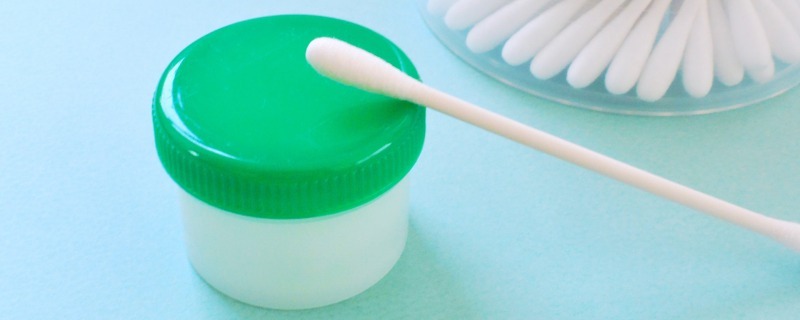

The steps for applying Bepio Gel are as follows:
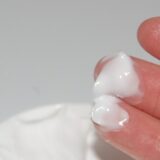
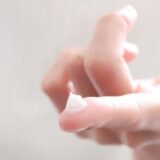
- Take an appropriate amount of Bepio Gel on your finger
A general guide is the amount that fits from the tip of your index finger to the first joint - Apply gently to acne-affected areas without rubbing
Avoid the area around the eyes, lips, nose, mucous membranes, and open wounds. If it gets into your eyes, rinse immediately with water - Wash your hands thoroughly after application
In the morning, makeup and sunscreen can be applied once you have finished applying the gel
To help reduce side effects, cleanse gently and moisturize thoroughly.
Use a facial cleanser or body soap that is not excessively harsh, and work it into a fine lather. Avoid scrub-type products, as they may place greater stress on the skin.
Moisturizing regularly is important—apply moisturizer at times other than immediately before using Bepio Gel. Applying moisturizer as soon as possible after bathing is particularly recommended.
Progress and Aftercare Following Bepio Gel Application
After applying Bepio Gel, be mindful of UV exposure. Exposure to strong sunlight or UV rays may increase the risk of side effects such as dryness or a stinging sensation.
When going outdoors, we recommend using sunscreen and a sun umbrella.
To avoid bleaching effects, make sure to wash your hands thoroughly after use.
How to Store Bepio Gel: Keep Below 25°C
Store Bepio Gel in a location where the temperature stays below 25°C. Storing it in a warm environment may cause the active ingredient to degrade.
In particular, refrigeration is advisable during the summer months when temperatures rise.
However, avoid freezing the gel—do not store it near the air vents inside a refrigerator.
How Bepio Gel Differs from Other Acne Treatments


There are various acne treatment medications in addition to Bepio Gel. The key differences among the main options are as follows:
| Name | Bepio Gel | Epiduo Gel | Differin Gel | Duac Gel |
|---|---|---|---|---|
| Active Ingredient(s) | Benzoyl peroxide | ・Benzoyl peroxide ・Adapalene |
Adapalene | Clindamycin phosphate hydrate |
| Expected Effects | ・Improvement of clogged pores ・Acne improvement |
・Improvement of clogged pores ・Acne improvement |
・Improvement of clogged pores ・Acne prevention |
・Improvement of inflammatory acne |
| Side Effects | ・Redness ・Stinging sensation ・Peeling ・Dryness |
・Dryness ・Stinging sensation ・Peeling ・Redness ・Itching |
・Dryness ・Stinging sensation ・Peeling ・Redness ・Itching |
・Itching ・Dryness ・Stinging sensation ・Rash (contact dermatitis) ・Peeling |
There are no major differences in the expected effects among these acne treatment medications. Which medication is appropriate depends on each patient’s individual condition.
Rather than deciding on a medication yourself, please consult your doctor so that the most suitable treatment can be prescribed for you.
Can You Buy Bepio Gel at a Pharmacy? It Is Not Available at Pharmacies or Online Retailers

Bepio Gel is not available at pharmacies or online retailers. It must be prescribed by a dermatologist or similar clinic.
While some acne treatment products are available over the counter, if you have concerns about their effectiveness or side effects, we recommend consulting a doctor or clinic to receive a prescription for a medication suited to your needs.
Is There an Over-the-Counter Version with the Same Ingredient? No OTC Equivalent Exists
There are no over-the-counter acne treatment medications with the same active ingredient as Bepio Gel.
The active ingredients in over-the-counter products typically include sulfur, which has keratolytic and sebum-absorbing properties, as well as other ingredients such as ibuprofen piconol.
An acne treatment medication with the same active ingredient as Bepio Gel is “Benzac Gel,” manufactured by Galderma.
Can You Buy Benzac Gel, the Generic Version of Bepio Gel, Over the Counter?
The generic equivalent of Bepio Gel is “Benzac Gel,” manufactured by Galderma.
Like Bepio Gel, Benzac Gel is not available over the counter in Japan, though it can be obtained through personal importation.
However, purchasing and using medications through personal importation carries certain risks. For a safer approach, we recommend visiting a clinic to receive a prescription for the medication most appropriate for your condition.
Frequently Asked Questions About Bepio Gel

Below we address some frequently asked questions about Bepio Gel.
Q. Can Bepio Gel Cause Acne to Increase or Worsen?
Because Bepio Gel may cause side effects such as redness and swelling, there is a possibility that acne may increase or worsen depending on the individual’s constitution.
If you experience pronounced side effects after applying Bepio Gel, stop use and contact the clinic where you received your prescription as soon as possible.
Q. If Itching or Swelling Occurs, Should I Apply Something Cold?
If you experience side effects such as itching or swelling after using Bepio Gel, the first step is to discontinue use.
Please report the side effects to your doctor or clinic and seek their guidance.
If you are unable to see a doctor right away, you may apply an over-the-counter non-steroidal anti-inflammatory skin cream and gently cool the area with a cold pack as a temporary measure.
Bepio Gel: An Acne Treatment That May Work Through Two Mechanisms
Bepio Gel is an acne treatment medication whose active ingredient is benzoyl peroxide.
Through its peeling and antibacterial actions, it may help suppress the growth of C. acnes bacteria and support easier shedding of dead skin cells, potentially improving clogged pores and acne.
The following side effects may occur with the use of Bepio Gel:
- Redness
- Stinging sensation
- Peeling
- Dryness
- Rash (in rare cases)
Side effects tend to diminish gradually over time. However, if you experience severe side effects or symptoms that persist, please stop using Bepio Gel and seek medical advice.
Please do not make treatment decisions on your own—always consult your doctor for guidance.
If you are concerned about acne or acne scars, please also refer to the articles below.
They cover types of acne and acne scars as well as comparisons of treatment options, so you can explore approaches suited to your concerns.
Types and Causes of Acne: Treatments and Pricing Explained
Types and Causes of Acne Scars: Treatments and Pricing Explained
At our clinic, we propose a treatment plan tailored to each individual patient and focus on delivering results. We will carefully listen to your concerns and symptoms, so please book a consultation using the button below.