
“What is Spectra Peel?”
“I want to know about the effects and side effects of Spectra Peel.”
If these questions are on your mind, read on.
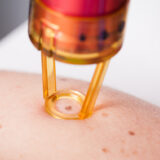
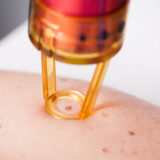
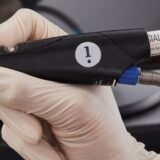
Spectra Peel is one of the irradiation modes of the medical laser device “Spectra.” It delivers a 1,064 nm long-pulse YAG laser to help address acne and enlarged pores.
On this page, we explain the effects and side effects of Spectra Peel, as well as the differences among its three irradiation modes. We also cover the treatment process and pricing, so please read to the end.
At our clinic, we listen carefully to each patient’s concerns and symptoms, then recommend a treatment approach suited to their individual needs.
Please use the button below to book a consultation.
Table of Contents
- 1 What Is Spectra Peel? A Treatment Using Long-Pulse YAG Laser
- 1.1 How Spectra Peel Works
- 1.2 Who May Benefit from Spectra Peel
- 2 What Results Can Spectra Peel Offer? Addressing Acne and Facial Redness
- 2.1 Spectra Peel for Enlarged Pores — Can It Help with Strawberry Nose?
- 2.2 Can Spectra Peel Improve Melasma? Not the Ideal Choice for Melasma
- 2.3 Is Spectra Peel Effective? How Many Sessions Does It Take? Recommended Frequency and Number of Sessions
- 3 Side Effects & Downtime of Spectra Peel — Redness, Itching, and More
- 3.1 What Should You Do If Complications Arise?
- 3.2 Is Persistent Redness After Spectra Peel a Sign Something Went Wrong?
- 3.3 Is Spectra Peel Painful? Discomfort Is Generally Minimal
- 4 Differences Between Spectra Peel, Luto Peel, and Dual Peel
- 5 Spectra Peel Treatment Process
- 6 Post-Treatment Progress and Aftercare for Spectra Peel
- 6.1 Spectra Peel Pricing at Our Clinic
- 7 Consult IC Clinic for Spectra Peel Treatment
What Is Spectra Peel? A Treatment Using Long-Pulse YAG Laser

Spectra Peel is one of the irradiation modes of the Q-switched YAG laser device “Spectra.”
Using the long-pulse YAG wavelength of 1,064 nm, the laser penetrates deeper into the dermis, delivering heat to the sub-epidermal layers.
The laser is applied across the entire face to transmit heat into the dermis beneath the epidermis. This is designed to stimulate collagen and elastin production. Improvements in skin texture, acne, and enlarged pores may be expected.
How Spectra Peel Works
Spectra Peel is designed to help address acne.
Acne develops when excess sebum production leads to clogged pores, allowing acne-causing bacteria (Cutibacterium acnes) to multiply.
Spectra Peel works by delivering laser heat from the epidermis into the dermis to help suppress sebaceous gland activity. The antibacterial effect then targets acne-causing bacteria, working toward acne improvement.
The treatment also helps remove the surface layer of dead skin cells to promote skin cell turnover. By stimulating fibroblasts in the dermis, it aims to encourage the production of collagen and elastin.
Who May Benefit from Spectra Peel
Spectra Peel may be a suitable option for those with the following concerns:
- Acne-prone skin
- Enlarged or open pores
- Facial redness (Rosacea / Facial Redness)
- Dull complexion
and more.
Spectra Peel may help address a range of skin concerns, including acne.
The treatment is also characterized by relatively minimal discomfort and downtime.
What Results Can Spectra Peel Offer? Addressing Acne and Facial Redness

Spectra Peel treatment may offer the following results:
- Improvement in acne-prone skin
- Reduction of facial redness
- Improvement of enlarged pores
and more.
Spectra Peel stimulates the sebaceous glands to help reduce excess sebum production, which may lead to improvement in acne-prone skin.
It also features a peeling effect on the outer layer of the epidermis, which may help improve enlarged pores. Repeated sessions may offer additional benefits for pigmentation prevention and overall skin quality.
Spectra Peel for Enlarged Pores — Can It Help with Strawberry Nose?
Blackheads on the nose (commonly called “strawberry nose”) are caused by sebum and dead skin cells becoming trapped in pores, forming plugs that oxidize and darken.
With repeated sessions, Spectra Peel may help improve enlarged pores and darkening on the nose. For this reason, it is considered a treatment option that may also benefit those with strawberry nose.
However, the number of sessions required varies depending on each patient’s condition. If you are concerned about enlarged pores or strawberry nose, please consult our clinic.
Can Spectra Peel Improve Melasma? Not the Ideal Choice for Melasma
Spectra Peel is not considered effective for improving melasma.
Spectra offers several irradiation modes, and among them, “Luto Toning” is the mode associated with melasma improvement.
Luto Toning delivers low-energy irradiation to melanocytes (the cells that produce melanin). It works to break down the melanin associated with melasma while aiming to reduce the risk of symptom aggravation.
Is Spectra Peel Effective? How Many Sessions Does It Take? Recommended Frequency and Number of Sessions
A general guideline is that noticeable results from Spectra Peel may begin to appear after approximately one month.
Since results are not always immediate, it is important to continue treatment consistently. As a general guide, sessions are typically recommended once every three to four weeks, for a total of five to six sessions.
However, results vary among individuals. We recommend consulting with your treating physician and continuing treatment while monitoring your progress.
Side Effects & Downtime of Spectra Peel — Redness, Itching, and More

Possible side effects of Spectra Peel include the following:
- Redness and itching at the treated area
- Hypopigmentation (loss of pigment)
- Hyperpigmentation (darkening of the skin)
- Bruising
and more.
Side effects typically resolve on their own over time. Please keep the area moisturized and monitor the condition. Take care not to rub or scratch the treated area.
Additionally, if you have permanent makeup (cosmetic tattooing), please be aware that treatment may cause it to fade or lose color.
What Should You Do If Complications Arise?
In rare cases, Spectra Peel treatment may cause folliculitis (inflammation of the hair follicles) or significant redness.
If treatment is required for such symptoms, topical medications may be prescribed.
Is Persistent Redness After Spectra Peel a Sign Something Went Wrong?
Some redness following Spectra Peel treatment is normal. In most cases, redness will subside gradually over time; however, for some individuals it may take longer to resolve.
The time required for redness to calm varies among individuals and is not necessarily indicative of a treatment complication. An allergic reaction to the laser is also a possible contributing factor.
While symptoms are generally expected to ease with time, if redness or a burning sensation persists, please consult your clinic promptly.
If you are concerned about allergic reactions, a test patch session prior to full treatment is also an option worth considering.
Is Spectra Peel Painful? Discomfort Is Generally Minimal
Spectra Peel treatment involves very little discomfort. Most patients describe a mild sensation of warmth, and treatment without anesthesia is generally possible.
However, sensitivity to discomfort varies among individuals. If you are concerned about pain during the procedure, please discuss this with your physician during your consultation.
Differences Between Spectra Peel, Luto Peel, and Dual Peel
In addition to Spectra Peel, the Spectra device offers multiple irradiation modes, including “Luto Peel” and “Dual Peel.”
The differences between Spectra Peel and the other irradiation modes are summarized below.
| Mode | Spectra Peel | Luto Peel | Dual Peel |
|---|---|---|---|
| Features | Delivers 1,064 nm long-pulse YAG laser irradiation | Uses laser to gradually break down melanin pigment and improve skin tone | Combines Spectra Peel and Luto Peel in consecutive irradiation |
| Potential Benefits | ・Improvement of acne ・Improvement of enlarged pores ・Reduction of facial redness |
・Improvement of pigmented spots and freckles ・Improvement of melasma ・Brightening of skin tone ・Skin-lightening effect |
・Improvement of pigmented spots and freckles ・Improvement of melasma ・Brightening of skin tone ・Improvement of enlarged nose pores ・Improvement of skin laxity |
| Side Effects | ・Redness and itching at the treated area ・Hyperpigmentation ・Hypopigmentation and more |
・Redness at the treated area ・Crusting ・Hyperpigmentation ・Hypopigmentation |
・Redness at the treated area ・Crusting ・Hyperpigmentation ・Hypopigmentation |
| Treatment Time | Approx. 10 minutes | Approx. 10 minutes | Approx. 20 minutes |
Among the Spectra irradiation modes, Spectra Peel is a treatment option that aims to address acne with relatively minimal downtime and discomfort.
If you are considering treatment for acne or facial redness, Spectra Peel may be worth exploring.
For more details on Luto Peel and Dual Peel, please visit the respective pages below.
What Is Luto Peel? Effects, Side Effects, and Differences Among Spectra Irradiation Modes
What Is Dual Peel? Effects, Side Effects, and Differences Among Spectra Irradiation Modes
Spectra Peel Treatment Process

At our clinic, Spectra Peel treatment follows these steps:
- Consultation & Examination
We begin by listening to your concerns. Together, we will identify the symptoms you would like to address and determine the most appropriate treatment plan for you. - Treatment
Please remove any makeup before the session. The treatment itself takes approximately 10 to 30 minutes. - Aftercare
You may reapply makeup immediately after the session and return home. There is no need to apply ointment or cover the area with a bandage.
Please consult with your treating physician to determine the timing of your next session based on your treatment plan.
Post-Treatment Progress and Aftercare for Spectra Peel
After Spectra Peel treatment, you may apply makeup immediately. Washing your face and bathing are also permitted on the same day; however, please take care not to rub the treated area.
After treatment, avoid sun exposure and keep the skin well moisturized. Please use sunscreen as part of your sun protection routine.
In addition, if side effects such as redness or itching persist, please consult the clinic where you received treatment.
Spectra Peel Pricing at Our Clinic
Pricing for Spectra Peel treatment at our clinic varies depending on the course and number of sessions.
Please refer to the relevant price lists below for details.
Price List for Acne Scars (Redness)
Price List for Redness & Facial Redness
Price List for Skin Beautification & Firmness
Price List for Body Darkening
Price List for Clogged Pores
Consult IC Clinic for Spectra Peel Treatment
Spectra Peel is one of the irradiation modes of the Q-switched YAG laser device “Spectra.” The potential benefits of Spectra Peel include:
- Improvement of acne-prone skin
- Reduction of facial redness
- Improvement of enlarged pores
and more.
Spectra Peel is also characterized by relatively minimal discomfort and downtime. It can also be used in combination with Luto Peel as part of the Dual Peel treatment.
At our clinic, we listen to each patient’s concerns and have our physicians recommend a treatment approach tailored to their individual needs. If you are troubled by acne or enlarged pores, please consider consulting IC Clinic.
We listen carefully to each patient’s concerns and symptoms, then recommend a treatment approach suited to their individual needs.
Please use the button below to book a consultation.