
Due to an ongoing international shortage of Ozempic, our clinic may recommend other GLP-1 medications as an alternative. Our clinic also conducts medical care in accordance with the guidelines issued by the Japan Diabetes Society and the Japan Association for Diabetes Education and Care.
“How does Ozempic work, and how is it used?”
“I’d like to know about the side effects of Ozempic.”
If you have questions like these, you’ve come to the right place.
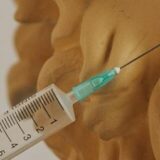
Ozempic is a type of GLP-1 injection that may support weight management. By stimulating insulin secretion and helping to moderate post-meal blood sugar rises, it can help you feel fuller for longer and may make it easier to avoid overeating.
This page explains the effects, usage, and side effects of Ozempic. Reading through to the end will help you determine whether Ozempic-based weight management is right for you.
At our clinic, we propose a treatment plan tailored to each individual patient and provide care focused on results. We take the time to listen carefully to your concerns and symptoms, so please use the button below to book a consultation.
Table of Contents
- 1 What Is Ozempic? A GLP-1 Injection That May Support Weight Management
- 1.1 What Is GLP-1? A Hormone Sometimes Called the “Slimming Hormone”
- 1.2 What Is a GLP-1 Injection? An Injection That Administers GLP-1 to Stimulate Insulin Secretion
- 2 What Are the Effects of Ozempic? Appetite and Hunger Suppression
- 2.1 When Does Ozempic Start Working? Effects Are Generally Expected Within 3–4 Months
- 2.2 Can Ozempic Fail for Weight Loss? Dietary Efforts Are Also Necessary
- 3 How to Use Ozempic
- 4 Side Effects of Ozempic for Weight Management | Nausea, Diarrhea, and More
- 4.1 What Should I Be Aware of With Ozempic? There Are Cases Where It Cannot Be Prescribed
- 4.2 Does Self-Injection of Ozempic Hurt? The Needle Is Fine, So Discomfort Is Minimal
- 5 Differences Between Trulicity (a Diabetes Medication) and Ozempic
- 6 How Does Ozempic Differ From Other GLP-1 Injections? A Comparison of Ingredients and Features
- 6.1 Victoza | A GLP-1 Injection Associated With a Lower Likelihood of Side Effects
- 6.2 Rybelsus | An Oral Option Containing the Same Active Ingredient as Ozempic
- 6.3 Saxenda | A Higher Maximum Dose May Offer Stronger Effects
- 7 Ozempic Pricing
- 8 Frequently Asked Questions About Ozempic
- 8.1 Q. What Should I Do If I Miss an Ozempic Injection?
- 8.2 Q. How Should I Dispose of Used Ozempic Needles?
- 9 If You Are Considering Ozempic for Weight Management, Please Consult Our Clinic
What Is Ozempic? A GLP-1 Injection That May Support Weight Management

Ozempic is a type of GLP-1 injection that may support weight management.
Originally developed as a treatment for type 2 diabetes, it received approval from the FDA (U.S. Food and Drug Administration) in 2017. It is currently available in 28 countries.
In clinical trials involving patients with type 2 diabetes, Ozempic demonstrated longer-lasting effects compared with other GLP-1 injections.
Additionally, in June 2020, “Ozempic Subcutaneous Injection SD” was launched, featuring an auto-injector function that automatically administers the injection when pressed against the skin.
What Is GLP-1? A Hormone Sometimes Called the “Slimming Hormone”
GLP-1 (glucagon-like peptide-1) is a type of hormone known as an incretin.
Incretins work to stimulate the secretion of insulin. When insulin is secreted, blood sugar levels decrease and feelings of fullness are sustained. In addition, improvements in the body’s metabolism may make it less prone to weight gain.
GLP-1 is a hormone naturally secreted by the small intestine. It is therefore thought that people who are lean tend to have a constitution that secretes GLP-1 more readily.
GLP-1 is explained in more detail on the following page:
What Are GLP-1 Injections? Explaining the Expected Weight-Loss Effects and Side Effects
What Is a GLP-1 Injection? An Injection That Administers GLP-1 to Stimulate Insulin Secretion
A GLP-1 injection administers GLP-1 to stimulate insulin secretion.
When GLP-1 is injected, it binds to GLP-1 receptors in the pancreas. This may promote insulin secretion and help lower blood sugar levels.
GLP-1 injections also have an appetite-suppressing effect, and the injection can help sustain feelings of fullness. This may make it harder to feel hungry and help curb overeating.
In addition to GLP-1 injections, insulin injections are another option for lowering blood sugar. The key difference is that GLP-1 injections work by stimulating the body’s own insulin secretion, whereas insulin injections deliver insulin directly.
What Are the Effects of Ozempic? Appetite and Hunger Suppression

Ozempic may help suppress appetite and reduce feelings of hunger.
By injecting Ozempic, you may feel satisfied with smaller meal portions, which can help prevent overeating.
Ozempic may promote insulin secretion and help lower blood sugar levels, but it does not stimulate insulin secretion when blood sugar is already low. This means it carries a lower risk of hypoglycemia.
While the appropriate dosage varies among individuals, many people experience noticeable effects at doses of 0.25–0.5 mg.
When Does Ozempic Start Working? Effects Are Generally Expected Within 3–4 Months
The time until Ozempic takes effect varies among individuals, but 3–4 months is a general guideline.
Treatment typically begins at 0.25 mg. If effects are insufficient after 4 weeks, the dose is increased to 0.5 mg. If effects remain insufficient after a further 4 weeks, the dose may be increased to 1.0 mg, and so on, with dosage adjusted as appropriate.
In the “SUSTAIN 1–5” clinical trials, patients receiving 1.0 mg of Ozempic achieved an average weight reduction of approximately 5–6 kg.
If no effects are observed after 3–4 months of treatment, please discuss switching to an alternative medication with your doctor.
Can Ozempic Fail for Weight Loss? Dietary Efforts Are Also Necessary
Some people who have used Ozempic report that they did not lose weight despite using it.
Weight management with Ozempic also requires dietary efforts on the patient’s part.
Ozempic is intended to help suppress appetite — it does not cause weight loss on its own. If you continue to overeat while using Ozempic, losing weight will be difficult.
It is important to combine Ozempic use with dietary efforts and to work toward improving your eating habits.
How to Use Ozempic

Ozempic is used as follows:
- 0.25 mg once weekly for 4 weeks
- 0.5 mg once weekly for 4 weeks
- If effects are insufficient, 1.0 mg once weekly
Unlike some other GLP-1 injections, Ozempic is administered just once a week. In most cases, noticeable effects are experienced by the 0.5 mg stage at the latest.
Consistent use of Ozempic is important. Continued use may help improve and establish healthier eating habits, which can support weight management outcomes.
Ozempic is also a medication that rarely loses effectiveness due to tolerance buildup.
Side Effects of Ozempic for Weight Management | Nausea, Diarrhea, and More

The following are potential side effects associated with Ozempic use:
- Headache
- Constipation / Diarrhea
- Nausea / Vomiting
- Stomach discomfort / Abdominal pain
These side effects tend to occur at the start of treatment and, in most cases, gradually subside with continued use.
Serious side effects may include hypoglycemia and acute pancreatitis.
If you notice anything unusual while using Ozempic, please consult our clinic.
What Should I Be Aware of With Ozempic? There Are Cases Where It Cannot Be Prescribed
Ozempic cannot be prescribed to those who are already using other GLP-1 injections or insulin injections.
Other individuals for whom Ozempic is not suitable include:
- Those who are pregnant or breastfeeding
- Those with a history of or current pancreatitis or gastrointestinal disorders
- Those at risk of hypoglycemia due to excessive alcohol consumption, adrenal insufficiency, or similar conditions
In addition, since clinical trials of Ozempic have not been conducted in children, its use in pediatric patients is not recommended.
Does Self-Injection of Ozempic Hurt? The Needle Is Fine, So Discomfort Is Minimal
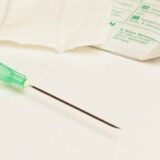
The needle used for Ozempic is approximately as thin as a strand of hair, and most people experience minimal discomfort.
If you feel pain, the needle tip may be bent. Because the needle is extremely fine and delicate, even slight contact can cause it to bend, so please handle it with care.
If you notice that the needle tip is bent, replace it with a new needle, perform a test dose (air shot), and then proceed with the injection.
Differences Between Trulicity (a Diabetes Medication) and Ozempic

Trulicity, a diabetes medication, shares a similar mechanism with Ozempic in that it may also promote insulin secretion.
Trulicity is characterized by a stronger blood sugar-lowering effect and greater weight reduction compared with Ozempic.
On the other hand, the active ingredient in Ozempic remains in the body for longer, and Ozempic is administered just once a week.
For those seeking weight management, Ozempic may be a more suitable option.
How Does Ozempic Differ From Other GLP-1 Injections? A Comparison of Ingredients and Features

In addition to Ozempic, the following GLP-1 injections are also available:
- Victoza
- Rybelsus
- Saxenda
Below, we explain the ingredients and features of GLP-1 options other than Ozempic.
Victoza | A GLP-1 Injection Associated With a Lower Likelihood of Side Effects
Victoza is a GLP-1 injection whose active ingredient is liraglutide.
Unlike Ozempic, it requires a daily injection; however, it is associated with a lower likelihood of side effects compared with Ozempic.
Victoza is explained in more detail on the following page — please take a look:
What Is Victoza (GLP-1)? Explaining How to Use It, Expected Weight-Loss Effects, and Side Effects
Rybelsus | An Oral Option Containing the Same Active Ingredient as Ozempic
Rybelsus is a GLP-1 receptor agonist that shares the same active ingredient as Ozempic — semaglutide.
Rybelsus is notable for being taken orally. Since it can be taken by mouth rather than by injection, it may be a more accessible option for those who are apprehensive about self-injection.
Rybelsus is explained in more detail on the following page — please take a look:
Rybelsus: An Oral GLP-1 Medication | Explaining Its Expected Weight-Loss Effects, How to Take It, and Side Effects
Saxenda | A Higher Maximum Dose May Offer Stronger Effects
Saxenda is a GLP-1 injection that shares the same active ingredient as Victoza — liraglutide.
While the active ingredient and injection frequency are the same as Victoza, Saxenda has a higher maximum dose. As a result, it may offer stronger effects than Victoza.
Saxenda is explained in more detail on the following page — please take a look:
Saxenda: A GLP-1 Option! Explaining Weight-Loss Effects, Side Effects, and the Treatment Process
Ozempic Pricing

Ozempic used for obesity treatment or weight management purposes is not covered by health insurance. The full cost is borne by the patient.
Our clinic offers the following three options:
- Ozempic 0.25 mg
- Ozempic 0.5 mg
- Ozempic 1.0 mg
Please refer to the price lists below for detailed pricing.
Body Contouring Price List
Face Slimming & Contouring Price List
Frequently Asked Questions About Ozempic


Here we answer frequently asked questions about Ozempic.
Q. What Should I Do If I Miss an Ozempic Injection?
If you miss an Ozempic injection, please follow the guidance below:
| If there are 48 hours or more until your next scheduled dose | Administer the missed dose as soon as you remember, then continue on your regular schedule |
|---|---|
| If there are fewer than 48 hours until your next scheduled dose | Skip the missed dose and administer the next dose on your regular scheduled day |
Do not administer a double dose to make up for a missed injection, as this can be dangerous.
Q. How Should I Dispose of Used Ozempic Needles?
Used Ozempic needles are classified as medical waste and must not be disposed of at home.
Used needles should be brought to a clinic or pharmacy for collection and proper disposal. Collected needles are sent to an intermediate processing facility operated by a licensed waste disposal service, where they are safely processed.
If you have not received instructions from your clinic on how to dispose of used needles and are unsure what to do, please contact your clinic or your local municipal office.
If You Are Considering Ozempic for Weight Management, Please Consult Our Clinic

Ozempic is a type of GLP-1 injection that may support weight management. By stimulating insulin secretion and helping to moderate post-meal blood sugar rises, it can help sustain feelings of fullness after eating.
Ozempic requires just one injection per week, making it a convenient option. It can also be self-administered at home, which means you do not need to visit the clinic regularly.
If you are considering medical weight management using Ozempic or other GLP-1 medications, please do not hesitate to consult our clinic.
At our clinic, we propose a treatment plan tailored to each individual patient and provide care focused on results. We take the time to listen carefully to your concerns and symptoms, so please use the button below to book a consultation.