
Clogged Pores & Comedone Removal Treatment | IC Clinic
“My pores are clogged and my skin feels rough.”
“My pores look dark and discolored.”
If you are bothered by comedones in or around your nose, or by dark, clogged pores, you are not alone.
While clogged pores can be improved with self-care at home, visiting a clinic is key if you are looking for more noticeable results.
Choosing the right care for your skin type on your own can be difficult, and attempting to do so may actually make the condition worse.
This page explains the causes of clogged pores, how to address them, and the types of treatments available at our clinic. If you are struggling with clogged pores, we encourage you to read on.
What Causes Clogged Pores? How Comedones Form

Clogged pores are caused by “comedones” — plugs formed when sebum secreted from the pores mixes with dead skin cells. Comedones trapped in pores can lead to hyperpigmentation and acne, so it is important to address them promptly. There are five main factors that contribute to comedone formation.
- Excess sebum production
- Disrupted skin cell turnover
- Residual makeup and impurities
- Skin dryness
- Enlarged pores due to aging
Below, we explain in detail how each of these factors contributes to comedone formation.
1. Excess Sebum Production
People who produce large amounts of sebum tend to experience clogged pores more frequently.
While sebum production varies from person to person, hormonal imbalances caused by lifestyle factors can increase sebum output.
Over-washing is also a contributing factor. When too much sebum is stripped away, the skin becomes dry, and the body responds by producing even more sebum to compensate — triggering excess oil production.
Additionally, consuming too many carbohydrates or fats can increase sebum production, so it is worth paying attention to your diet as well.
2. Disrupted Skin Cell Turnover
The skin surface is constantly renewing itself through a cycle known as “skin cell turnover.”
Dead skin cells play a role in retaining moisture and protecting the skin from external irritants. When turnover accelerates too rapidly, immature skin cells are pushed to the surface before they are fully developed.
These immature cells do not shed easily, causing old cells to accumulate as comedones and making clogged pores more likely.
Disrupted turnover can be caused by aging and dry skin, as well as lifestyle factors such as insufficient sleep and stress.
With consistent skincare and improvements to your daily habits, it is possible to help normalize the skin cell turnover cycle.
3. Residual Makeup and Impurities
Makeup residue and other impurities can mix with dead skin cells, leading to clogged pores.
The oily components in makeup react with skin cells, so foundation that is not thoroughly removed can easily become a cause of clogged pores.
Waterproof sunscreens, which are designed to resist sweat and water, also tend to linger on the skin.
Even if you feel you have cleansed your skin thoroughly, impurities may still remain.
People who tend to skip their daily cleansing routine, or who do not fully remove their makeup even when they do cleanse, are more prone to clogged pores.
4. Skin Dryness
Dry skin can contribute to clogged pores.
When the skin hardens due to dryness, the area around the pores loses its flexibility, which can block the outlets for dead skin cells and excess sebum.
As a result, sebum can accumulate even without excessive production, leading to clogged pores.
In addition, with dry skin, dead skin cells shed during turnover may also block the pores.
5. Enlarged Pores Due to Aging
As collagen and elastin in the skin decrease with age, skin begins to sag and pores can elongate downward.
Pores that have stretched into an oval shape are more prone to accumulating dead skin cells.
When sagging pores progress further, neighboring pores may merge and appear as fine lines.
To help slow the progression of enlarged pores, it is important to supplement your skincare routine with ingredients that support moisture retention, firmness, and elasticity.
Clogged Pores (Comedones) Can Change from White to Black

When a comedone first forms, the pore appears white, but as it progresses, the sebum is exposed to air and oxidizes, causing it to appear dark or black.
Once clogged pores have changed from white to black, they become more difficult to treat, so prompt action is important.
Dark pores indicate that sebum and dead skin cells have been accumulating over an extended period, creating an environment where bacteria can thrive and acne can develop.
Dark pores are most commonly seen on the tip of the nose and around the nostrils. These areas produce more sebum, making it more likely for sebum and dead skin cells to build up and appear dark.
To help prevent dark spots caused by comedones, keeping the skin clean is essential. Be thorough with your daily face washing and cleansing to remove sebum and impurities.
Can Clogged Pores Be Improved with Self-Care? Consider Visiting a Clinic
Reviewing your face-washing routine is an important step in removing impurities from pores. Lather your cleanser well, create a foam barrier so your hands do not directly touch your skin, and wash gently.
When rinsing off your cleanser, use lukewarm water at around body temperature to avoid stripping away too much sebum.
For self-care, enzyme cleansers and pore strips can help address clogged pores. However, care that is too harsh can be counterproductive when it comes to clogged pores, so caution is advised.
In addition, the following behaviors should be avoided when caring for your pores:
- Squeezing out comedones with your fingers
- Using pore strips with excessively strong adhesion
- Scrubbing vigorously during face washing
- Neglecting moisturizing care
Attempting to treat clogged pores on your own can risk making the condition worse. If you are unsure how to address your clogged pores, we encourage you to consult with a clinic.
5 Treatments at IC Clinic That Can Help with Clogged Pores
We offer the following five treatments to help address clogged pores:
- Dermapen Microneedling
- ICON
- Chemical Peeling
- Fractional Laser
- Q-Switch YAG Laser
Below, we explain how each treatment works to address clogged pores, along with its benefits and points to be aware of.
1. Dermapen Microneedling
Dermapen Microneedling is a treatment that uses ultra-fine needles to create micro-channels in the skin, stimulating the skin’s natural regenerative process.
In addition to promoting skin regeneration, Dermapen may help reduce excess sebum production and inflammation. This can also contribute to a reduction in acne and acne scars (such as indented scarring) caused by overactive sebaceous glands.
As the skin renews itself, accumulated comedones are expelled, which is why a pore-tightening effect can also be expected.
Please note that the treatment typically requires around 5 sessions spaced several weeks apart. It is important to be aware that it can take time before noticeable results are observed.
For more details about Dermapen Microneedling, please visit the page below.
2. ICON
ICON is a device that delivers Photofacial (IPL) treatment, designed to address a variety of skin concerns.
A specialized light known as IPL (Intense Pulsed Light) is directed at the skin, where it acts on melanin pigment and hemoglobin to help improve clogged pores and other skin concerns.
ICON light stimulates collagen production, which may help tighten pores that have opened due to aging, supporting the prevention of comedone buildup.
Please note that ICON may cause discomfort after treatment, and it is not suitable for pregnant individuals or those with active skin inflammation. We recommend familiarizing yourself with the potential side effects and considerations before deciding to proceed with treatment.
For more information about ICON, please visit the page below.
3. Chemical Peeling
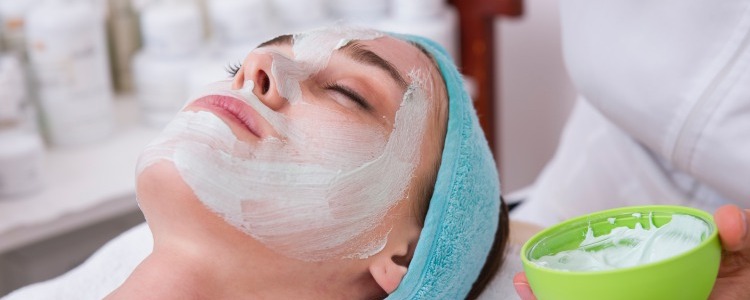
Chemical peeling is a treatment in which a chemical solution is applied to the skin to remove dead skin cells.
By exfoliating the outer layer of the skin and removing accumulated dead skin cells, chemical peeling can help address pores clogged with sebum and comedones.
The skin is softened before the outer layer is gently shed, so significant pain or bleeding is generally unlikely.
Chemical peeling can also remove impurities from the pores, offering the possibility of smoother, more radiant-looking skin.
For more details about chemical peeling, please visit the page below.
What Is Chemical Peeling? Including the Synergistic Effects of Iontophoresis and Collagen Peel
4. Fractional Laser
Fractional laser is a treatment that harnesses the body’s natural repair mechanisms to stimulate collagen production and support skin rejuvenation.
The laser light helps remove sebum and dead skin cells trapped in pores, which may contribute to an improvement in overall skin texture.
Our fractional laser options include an ablative type with higher output, and a non-ablative type with lower output and shorter downtime.
One point to be aware of is that hyperpigmentation may occasionally occur. However, this typically fades gradually over time.
For more details about fractional laser treatment, please visit the page below.
What Is Fractional Laser? 3 Potential Skin Benefits, Including Scar and Pore Improvement
5. Q-Switch YAG Laser
The Q-Switch YAG Laser is a medical device used to address hyperpigmentation such as age spots and freckles.
The Q-Switch system includes two laser types: a YAG laser capable of high-output continuous irradiation, and a ruby laser with strong efficacy for pigment removal.
In addition to addressing hyperpigmentation, Q-Switch YAG Laser light may also offer benefits for pore tightening and acne improvement. Tightened pores are less prone to comedone buildup, helping to support smoother, more refined-looking skin.
The number of sessions required varies depending on individual constitution and skin condition, so please feel free to consult with us. Further details about Q-Switch YAG Laser treatment are available on the page below.
Frequently Asked Questions About Clogged Pores
Here we address some common questions about clogged pores.
The pores on the nose tend to clog more easily because the sebaceous glands in that area are more active than elsewhere on the face, and skin cell turnover is more easily disrupted.
The nose produces more sebum, which increases the likelihood of comedones blocking the pores.
The pointed shape of the nose also plays a role. It can be harder for cleansers and toners to reach every part of the nose thoroughly, making turnover more prone to disruption.
Comedones that form in pores are not the same as acne.
Comedones tend to form in areas where sebum production is high and pores are large, whereas acne appears in areas with high sebum production but smaller pores.
Comedones are also less likely to become inflamed, and the pore opening is not completely blocked. Acne, on the other hand, forms when the pore is fully closed and bacteria such as Cutibacterium acnes (C. acnes) feed on the comedone contents.
While clogged pores and acne are distinct conditions, our clinic offers treatment for both.
After washing your face — particularly after a bath or shower — you may notice white bumps caused by comedones.
The reason comedones appear more prominent after cleansing is that the comedones trapped in the pores absorb moisture and swell up, appearing whitish.
After cleansing, the skin is also in a state where comedones may be easier to address at the root.
For Clogged Pore Concerns, Visit IC Clinic
Clogged pores are caused by factors such as the accumulation of dead skin cells that form comedones.
Since thoroughly clearing clogged pores through self-care alone can be difficult, we encourage you to consider professional treatment at a clinic for pore improvement.
Our clinic offers the following five treatments to help address clogged pores:
- Dermapen Microneedling
- ICON
- Chemical Peeling
- Fractional Laser
- Q-Switch YAG Laser
With multiple options available, we can tailor treatment to suit the condition of your pores. If you are looking to address clogged pores, please feel free to reach out to us for a consultation.
Pore Condition Assessment & Treatment Selection
Pore concerns vary from person to person. At our clinic, we conduct a detailed assessment of your pore condition and select the most suitable treatment approach.
Open Pore Type
Symptoms: Pores around the nose that appear round and open Main Causes: Excess sebum production, genetic factors Recommended Treatment: Chemical Peeling + ICON, Dermapen Microneedling
Clogged Pore Type
Symptoms: Pores with visible white comedones Main Causes: Sebum and dead skin cell accumulation, disrupted skin cell turnover Recommended Treatment: Chemical Peeling, Dermapen Microneedling + topical agent infusion
Dark Pore Type
Symptoms: Pores that appear dark due to oxidized comedones Main Causes: Long-term comedone accumulation, melanin deposition Recommended Treatment: Q-Switch YAG Laser + Chemical Peeling
Sagging Pore Type
Symptoms: Elongated, oval-shaped pores (mainly on the cheeks) Main Causes: Decreased collagen due to aging Recommended Treatment: Fractional Laser, Dermapen Microneedling
Melanin Pore Type
Symptoms: Hyperpigmentation around the pores Main Causes: Post-inflammatory hyperpigmentation, UV exposure Recommended Treatment: ICON + Q-Switch YAG Laser
Features and Strengths of Our Pore Treatments
Synergistic Effects of Combined Treatments
Where a single treatment has its limitations, combining multiple approaches can help achieve more comprehensive pore improvement.
Representative combinations:
- Chemical Peeling + Dermapen Microneedling: Comedone removal + skin regeneration
- ICON + Q-Switch YAG: Comprehensive improvement + pigmentation management
- Fractional Laser + topical agent infusion: Lifting + deep-layer improvement
Customized Treatment Based on Skin Type and Age
We propose treatment plans tailored to each patient’s skin type, age, and lifestyle.
- Teens–20s: Sebum control-focused approach
- 30s–40s: Balanced approach combining prevention and improvement
- 50s and above: Comprehensive treatment incorporating anti-aging elements
Treatment Designed to Minimize Discomfort
Using the latest cooling systems and topical anesthetics, we work to significantly reduce discomfort during treatment.
Treatment Protocol and Procedure Flow
Initial Consultation and Assessment
- Detailed medical history – Review of lifestyle and skincare history
- Visual and tactile examination – Assessment of pore condition and skin type
- Magnified examination – Analysis of comedone depth and pore shape
- Treatment planning – Determining the most suitable treatment approach and number of sessions
Treatment Process
- Pre-treatment preparation – Cleansing and anesthesia if required
- Treatment – Procedure using the selected treatment method
- Aftercare – Soothing mask and moisturizing treatment
- Home care guidance – Advice on at-home care to help enhance results
Post-Treatment Follow-Up
- 1 week later: Progress check
- 1 month later: Results assessment and planning for next session
- 3 months later: Long-term follow-up
Detailed Explanation and Indications for Each Treatment
Dermapen Microneedling Treatment
Mechanism: Ultra-fine needles create micro-channels to stimulate the skin’s natural healing response Indications: Open pores, acne scars, skin texture improvement Number of sessions: 4–6 sessions (at 3–4 week intervals) Downtime: Mild redness for 2–3 days
Synergistic effects of Dermapen Microneedling + topical agent infusion
- Vitamin C infusion: Brightening and antioxidant effects
- Tranexamic acid: Anti-inflammatory and brightening effects
- Growth factor: Promotes tissue regeneration
Chemical Peeling Treatment
Types and features:
- Salicylic acid peel: Penetrates deep into pores; sebum-regulating effect
- Glycolic acid peel: Removes surface comedones; promotes skin cell turnover
- Collagen peel: Deep-layer improvement; supports firmness and elasticity
Treatment frequency: Once every 2–4 weeks Recommended sessions: 5–10 sessions (adjusted according to condition)
ICON (Photofacial Treatment)
How the light works:
- IPL stimulates collagen production around the pores
- Selective action on melanin
- Vascular constriction to help reduce redness
Target conditions: Open pores, hyperpigmentation, redness Treatment interval: 3–4 weeks Number of sessions: 3–5 sessions
Fractional Laser
Two types available:
- Ablative type: Higher level of improvement; slightly longer downtime
- Non-ablative type: Milder effect; shorter downtime
Indications: Sagging pores, uneven texture, skin quality improvement Treatment interval: 4–6 weeks Recommended sessions: 3–5 sessions
Q-Switch YAG Laser
Laser characteristics:
- Dual wavelengths: 1064 nm and 532 nm
- High selectivity for melanin
- Minimal impact on surrounding tissue
Indications: Dark pores, hyperpigmentation, skin quality improvement Treatment method: Spot irradiation or full-face irradiation Downtime: Minimal
Treatment Schedule, Duration, and Number of Sessions
Mild Pore Concerns
Treatment duration: 2–3 months Total sessions: 3–5 sessions Recommended treatment: Chemical peeling-centered program
Moderate Pore Concerns
Treatment duration: 4–6 months
Total sessions: 6–8 sessions Recommended treatment: Combined treatment program
Severe Pore Concerns
Treatment duration: 6–12 months Total sessions: 10–15 sessions Recommended treatment: Intensive treatment + maintenance
Expected Treatment Results and Improvement Timeline
How Results Develop Over Time
- Sessions 1–2: Improvement in skin roughness, mild pore reduction
- Sessions 3–4: Noticeable pore reduction, improved skin texture
- Sessions 5–6: Significant improvement, better makeup application
- Upon completion: Noticeably smoother, more refined skin appearance
Duration of Results
- Chemical Peeling: Results may last 3–4 weeks
- Dermapen Microneedling: Results may last 2–3 months
- Laser treatments: Results may last 6–12 months
- Combined treatment: Results may last 12–18 months
The Importance of Maintenance Treatment
We recommend regular maintenance treatments to help sustain the results achieved through treatment over the long term.
Home Care Guidance and Integration with Self-Care
Home Care to Help Enhance Treatment Results
Basic skincare routine:
- Gentle cleansing – Thoroughly removing impurities from deep within the pores
- Appropriate face washing – Helping to balance sebum levels
- Thorough moisturizing – Maintaining the skin barrier function
- UV protection – Helping to prevent new pore concerns
Recommended skincare products:
- Vitamin C derivative toner – Sebum regulation and antioxidant support
- Retinol serum – Supports skin cell turnover
- Peptide cream – Supports collagen production
Skincare Behaviors to Avoid
- Excessive face washing or cleansing
- Frequent use of pore strips
- Squeezing out comedones
- Using skincare products with strong irritants
Age- and Skin Type-Based Approaches
Pore Care for Teens–20s
Characteristics: Clogged pores due to excess sebum production Treatment approach: Sebum control and establishing healthy skincare habits Recommended treatment: Chemical peeling-centered approach, lighter Dermapen Microneedling
Pore Care for 30s–40s
Characteristics: Enlarged pores and early-stage skin laxity Treatment approach: Balancing prevention and improvement Recommended treatment: ICON + Dermapen Microneedling, Fractional Laser
Pore Care for 50s and Above
Characteristics: Progressive sagging pores, reduced skin elasticity Treatment approach: Comprehensive anti-aging care Recommended treatment: Fractional Laser + ICON + Chemical Peeling
Skin Type-Based Approaches
Combination skin: Customized treatment by area
Oily skin: Peeling focused on sebum regulation
Dry skin: Emphasis on moisturizing and barrier function improvement
Sensitive skin: Gentle treatment with minimized irritation
Risks, Side Effects, and Important Notes
Common Side Effects
Immediately after treatment (1–3 days):
- Mild redness and swelling
- Stinging or tingling sensation
- Feeling of dryness
For approximately 1 week:
- Temporary increase in skin flaking
- Mild hyperpigmentation (rare)
Rare Complications and Their Management
- Infection at the treatment site → Antibiotic prescription and appropriate aftercare
- Prolonged hyperpigmentation → Additional brightening treatment
- Insufficient results → Review and adjustment of treatment plan
Those Who Are Not Suitable for Treatment
- Those who are pregnant or breastfeeding
- Those with active skin conditions
- Those with a tendency to develop keloids
- Those currently taking immunosuppressants
Prevention and Maintenance Program
The Importance of Regular Maintenance
We recommend regular maintenance treatments to help sustain improvements to pore condition and prevent new concerns from developing.
Maintenance Schedule
- 1–3 months after completing treatment: Intensive maintenance phase
- 4–12 months: Regular maintenance phase
- After 1 year: Maintenance 2–4 times per year
Annual Maintenance Plans
Plan A (Light maintenance): Chemical peeling 4 times/year Plan B (Standard maintenance): Chemical peeling 6 times + ICON 2 times/year Plan C (Intensive maintenance): Combined treatment 10 times/year
Lifestyle Improvement Guidance
- Balanced diet (moderate intake of carbohydrates and fats)
- Adequate sleep (supports growth hormone secretion)
- Stress management (supports hormonal balance)
- Regular exercise (promotes circulation and metabolism)