
- Please note that the treatments described in this article are not currently offered at our clinic. This content is provided for informational purposes only.
“Does PRP therapy actually work?”
“What are the benefits and drawbacks of PRP therapy?”
If you have questions like these, read on.
PRP therapy is a form of regenerative medicine that uses your own blood. It is used to treat pain associated with knee osteoarthritis and for cosmetic purposes across the face, among other applications.
This page explains the expected effects of PRP therapy, its advantages and disadvantages, and how it differs from APS therapy and PRP-FD therapy.
At IC Clinic, we propose treatment plans tailored to each individual patient and focus on delivering meaningful results. We take the time to listen carefully to your concerns and symptoms, so please use the button below to book a consultation.
Table of Contents
- 1 What Is PRP Therapy? A Regenerative Medicine Approach Using Platelet-Rich Plasma Injections
- 2 4 Effects You Can Expect from PRP Therapy
- 2.1 Effect ① Treatment of Sports Injuries and Conditions
- 2.2 Effect ② Relief from Knee Osteoarthritis Pain
- 2.3 Effect ③ Cosmetic Benefits for the Face, Including Nasolabial Fold Improvement
- 2.4 Effect ④ Fertility Treatment
- 2.5 Is PRP Therapy Ineffective? Results Are Generally Expected Within 6–12 Months
- 3 2 Advantages of PRP Therapy
- 3.1 Advantage ① Fewer Side Effects, Repeatable Treatment
- 3.2 Advantage ② Less Scarring Compared to Surgery
- 4 2 Disadvantages of PRP Therapy
- 4.1 Disadvantage ① Possible Redness, Swelling, or Nodule Formation
- 4.2 Disadvantage ② Some Individuals Are Not Eligible for Treatment
- 5 Are There Cases Where PRP Therapy Does Not Go as Expected? Possible Treatment Risks
- 6 PRP Therapy Is an Advanced Medical Treatment and Not Covered by Insurance
- 7 The PRP Therapy Treatment Process
- 8 Differences Between PRP Therapy, APS Therapy, and PRP-FD Therapy
- 9 Summary: PRP Therapy May Help with Knee Pain and Skin Quality Improvement
What Is PRP Therapy? A Regenerative Medicine Approach Using Platelet-Rich Plasma Injections
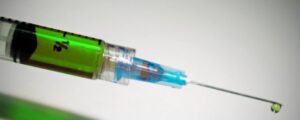
PRP (Platelet Rich Plasma) therapy is a form of regenerative medicine that uses your own blood. Platelet-rich plasma is extracted from your blood and injected into the affected area with the aim of supporting recovery.
Platelets found in the blood serve two main functions:
- Stopping bleeding
- Releasing growth factors that promote the growth of various cells
PRP therapy uses the growth factors in platelets, and may help support repair of damaged tissue and reduce symptoms associated with joint inflammation.
4 Effects You Can Expect from PRP Therapy

PRP therapy is associated with 4 potential benefits:
- Treatment of sports injuries and conditions
- Relief from knee osteoarthritis pain
- Cosmetic benefits for the face, including nasolabial fold improvement
- Fertility treatment
The following sections explain each of these potential effects in detail.
Effect ① Treatment of Sports Injuries and Conditions
By supporting the body’s natural healing ability, PRP therapy may help with faster recovery from injuries and reduction of pain.
Examples of sports-related injuries and conditions include:
- Lateral epicondylitis (tennis elbow)
- Patellar tendinitis
- Achilles tendinitis
- Muscle strains
- Muscle and tendon tears
It is also used to help manage chronic pain originating from tendons and ligaments.
PRP therapy is chosen not only by professional and elite athletes seeking to return to play as quickly as possible, but also by recreational sports enthusiasts.
Effect ② Relief from Knee Osteoarthritis Pain
PRP therapy may also provide benefits for knee joint degeneration.
Knee osteoarthritis is a condition characterised by symptoms such as fluid accumulation around the knee. It develops when the cartilage and meniscus of the knee joint wear down over time, causing inflammation within the joint.
PRP therapy may support the regeneration of damaged cartilage and help reduce joint inflammation.
Historically, treatment for knee osteoarthritis has centred on pain relief medication, hyaluronic acid injections, and draining accumulated fluid (conservative therapy). PRP therapy offers an additional option that may support more timely treatment.
For osteoarthritis in particular, a specialised treatment called “PRP-FD therapy” is also available.
PRP-FD therapy involves freeze-drying PRP, allowing it to be stored for approximately six months.
For an overview of PRP-FD therapy, please refer to the section “Differences Between PRP Therapy, APS Therapy, and PRP-FD Therapy.”
Effect ③ Cosmetic Benefits for the Face, Including Nasolabial Fold Improvement
PRP therapy may also offer benefits for nasolabial folds and other signs of skin ageing across the face.
Because PRP therapy supports the repair of skin tissue, it may be of interest for concerns such as:
- Under-eye circles
- Nasolabial folds
- Forehead wrinkles
- Scalp thinning
Hyaluronic acid has been a common treatment for age-related concerns such as wrinkles and sagging; however, it requires repeated injections over a short period and can sometimes produce an unnatural appearance.
As PRP therapy works by harnessing the body’s own cell regeneration capacity, it may offer sustained skin rejuvenation effects as part of a cosmetic care routine.
Effect ④ Fertility Treatment

PRP therapy is sometimes used in fertility treatment.
By injecting a high concentration of platelets into the uterus, it is thought to promote cellular growth in the endometrium, and the resulting activation of the endometrial lining may support implantation of a fertilised egg.
Thickening of the endometrium may be associated with improved implantation rates and sustained pregnancy.
Research in the field of fertility treatment is still ongoing, and clinical experience in this area continues to develop.
Is PRP Therapy Ineffective? Results Are Generally Expected Within 6–12 Months
Some people wonder whether PRP therapy actually works. As a general guide, it may take 6–12 months before noticeable results are observed.
Because the treatment works by stimulating cell regeneration, it tends to take time before effects become apparent.
The approximate timeframes for experiencing results and duration of effects for knee osteoarthritis and cosmetic concerns are as follows:
| Knee Osteoarthritis | Cosmetic Concerns | |
|---|---|---|
| Time Until Results Are Noticed | 2 weeks to 3 months after treatment | Peak effects typically reached within 1–3 weeks |
| Duration of Effects | 6–12 months | Varies depending on individual skincare routine |
The duration of cosmetic skin benefits varies from person to person, depending on daily skincare habits and lifestyle.
2 Advantages of PRP Therapy

PRP therapy offers the following two advantages:
- Fewer side effects, allowing for repeat treatments
- Less scarring compared to surgery
The sections below explain each advantage in detail.
Advantage ① Fewer Side Effects, Repeatable Treatment
PRP therapy is a treatment that uses your own blood to support tissue regeneration.
As a result, it is associated with a lower risk of side effects such as allergic reactions, and can be repeated as needed.
In addition, because it can be applied to various parts of the body—including joints, the face, muscles, tendons, and bone—treatment can be tailored to your specific condition.
Advantage ② Less Scarring Compared to Surgery
PRP therapy does not involve the use of a scalpel.
While surgical procedures are often required for knee joint treatment or cosmetic procedures, PRP therapy typically leaves fewer marks compared to surgery.
The non-surgical nature of the treatment also means:
- Less physical burden on the body
- Treatment can be received on an outpatient basis
- Minimal disruption to everyday life
As no hospitalisation is required after the procedure, PRP therapy is an accessible option for those who wish to continue treatment with ease.
2 Disadvantages of PRP Therapy

PRP therapy has the following two disadvantages:
- Redness, swelling, or nodules may occur
- Some individuals are not eligible for treatment
The sections below explain each disadvantage in detail.
Disadvantage ① Possible Redness, Swelling, or Nodule Formation
Because PRP therapy involves injections, there is a possibility of inflammation at the injection site.
As a result, symptoms such as redness, swelling, and discomfort may occur, though this varies between individuals. Cell activation may also cause a nodule to form at the injection site, which some patients may find concerning.
In either case, these symptoms typically subside gradually over time.
Disadvantage ② Some Individuals Are Not Eligible for Treatment
PRP therapy may not be suitable for certain individuals.
Specifically, PRP therapy is not available to those who:
- Have received PRP therapy within the past month
- Are currently undergoing cancer treatment
- Have an active inflammatory condition (e.g., rheumatoid arthritis, connective tissue disease)
- Have certain underlying conditions (e.g., heart, lung, liver, or kidney disease)
- Have a history of drug hypersensitivity
If you are unsure whether you are eligible, please raise your concerns during the pre-treatment consultation.
Are There Cases Where PRP Therapy Does Not Go as Expected? Possible Treatment Risks

If you have concerns about unexpected outcomes with PRP therapy, the following risks should be considered:
- Insufficient perceived effect
- Risk of infection
- Persistent nodule formation
Although PRP therapy is a regenerative treatment using the patient’s own platelets, platelet quality varies between individuals, meaning that noticeable results cannot be guaranteed for everyone.
There is also a rare risk of infection, which may occur if bacteria contaminate the blood during the platelet extraction process. If you experience symptoms suggestive of infection—such as redness, swelling, or fever—please consult your doctor promptly.
In some cases, if the effect of PRP therapy is more pronounced than anticipated, the PRP components may form a nodule within the body.
In most cases this resolves naturally within several months; however, as some individuals may experience a persistent nodule, careful adjustment of the concentration and volume of PRP to be injected is important.
PRP Therapy Is an Advanced Medical Treatment and Not Covered by Insurance
PRP therapy is not covered by public health insurance in Japan. As a private (self-pay) treatment, the full cost must be borne by the patient.
In addition, any tests carried out on the day of treatment are also provided on a self-pay basis, so please be aware of this before proceeding with treatment.
The number of sessions required for PRP therapy varies depending on the condition being treated, so it is advisable to discuss how many visits may be needed during your consultation.
The PRP Therapy Treatment Process

The PRP therapy treatment process is as follows:
- Medical Interview and Consultation
Your medical and cosmetic treatment history will be reviewed, and an appropriate injection method will be proposed. - Blood Collection
The PRP preparation is typically ready approximately 20 minutes after blood is drawn. - PRP Therapy Session
PRP therapy is administered. The injection site will vary depending on the treatment objective. - Post-Treatment Follow-Up
Progress is reviewed approximately four weeks after the procedure.
Depending on the clinic and the treatment objective, up to two consultations may be conducted before PRP therapy is administered.
Differences Between PRP Therapy, APS Therapy, and PRP-FD Therapy
Within regenerative medicine, options include not only PRP therapy but also APS therapy and PRP-FD therapy (also referred to as PRD-FD therapy).
The key differences are as follows:
| Treatment Type | PRP Therapy | APS Therapy | PRP-FD Therapy (PRD-FD Therapy) |
|---|---|---|---|
| Characteristics | Supports the body’s natural healing ability | Specifically designed for osteoarthritis | Supports the body’s natural healing ability |
| Number of Sessions | 3–4 sessions | 1 session | 1–3 sessions |
| Duration of Effects | Approximately 4 months | 12–24 months | Approximately 6 months |
| Anti-inflammatory Component Level | Lower | Higher | Higher |
| Growth Factor Level | Lower | Higher | Approximately twice that of PRP |
| Expected Benefits | Treatment of muscle, tendon, and ligament injuries; skin quality improvement including fine lines | Osteoarthritis and joint inflammation | Treatment of muscle, tendon, and ligament injuries; skin quality improvement including fine lines |
“APS therapy” is a form of regenerative medicine that further extracts anti-inflammatory components from PRP for use in treatment.
“PRP-FD therapy,” on the other hand, extracts only the growth factors from PRP, which are then freeze-dried for use in treatment.
Please speak with your doctor to determine which of these three treatment options may be most appropriate for your situation.
Summary: PRP Therapy May Help with Knee Pain and Skin Quality Improvement

PRP (Platelet Rich Plasma) therapy is a form of regenerative medicine that uses your own blood. The following four effects may be expected from PRP therapy:
- Treatment of sports injuries and conditions
- Relief from knee osteoarthritis pain
- Cosmetic benefits for the face (including skin quality improvement)
- Fertility treatment
As PRP therapy may offer benefits for a wide range of conditions, it may be worth considering if you have not found sufficient results with your current treatment.
At IC Clinic, we propose treatment plans tailored to each individual patient and focus on delivering meaningful results. We take the time to listen carefully to your concerns and symptoms, so please use the button below to book a consultation.