
Sebaceous Hyperplasia Treatment & Removal | IC Clinic
“I’ve developed numerous bumps on my face…”
“Is it possible to treat facial bumps with self-care at home?”
Are you concerned about issues like these?
If you have noticed yellowish or whitish bumps with a central depression appearing somewhere on your face, sebaceous hyperplasia may be the cause. The growths associated with sebaceous hyperplasia tend to enlarge over time and will not resolve on their own.
Attempting to squeeze them yourself may cause a bacterial infection, so please consider seeking treatment at a clinic.
This page explains how sebaceous hyperplasia differs from other skin conditions and describes the treatment options available at our clinic. We hope it helps you identify the cause of your symptoms and understand how sebaceous hyperplasia can be addressed.
What Is Sebaceous Hyperplasia? Commonly Found on the Nose and Forehead
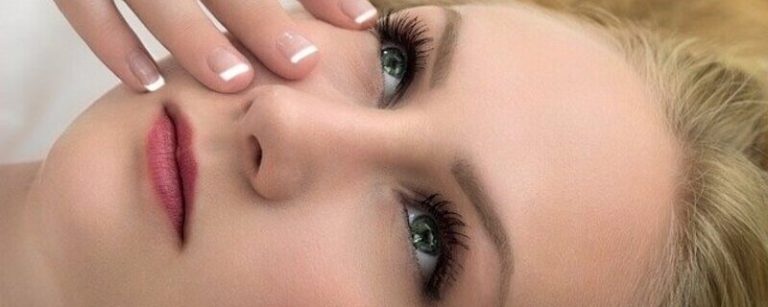
Sebaceous hyperplasia is a condition in which yellowish or whitish raised bumps, approximately 5–6 mm in diameter with a central depression, appear on the skin.
In most cases, there is no associated pain or itching.
In sebaceous hyperplasia, the sebaceous glands — which produce sebum — enlarge or multiply, leading to the formation of papules. These papules may not appear as a single lesion; they can occur in multiple locations across the skin.
Sebaceous hyperplasia tends to develop in areas where sebum production is higher, such as the nose and forehead.
Causes of Sebaceous Hyperplasia
The exact cause of sebaceous hyperplasia has not been fully established.
Because the condition tends to appear in middle age and beyond, and the number of bumps often increases with age, aging is considered a contributing factor.
That said, sebaceous hyperplasia can also develop in people in their twenties, so younger age does not rule out the condition. In younger individuals, it is thought that androgens (male hormones) may stimulate the proliferation of sebaceous glands.
Research also suggests that people with oily skin types may be more prone to developing sebaceous hyperplasia.
How Is Sebaceous Hyperplasia Different from Warts? Three Conditions That Are Easy to Confuse
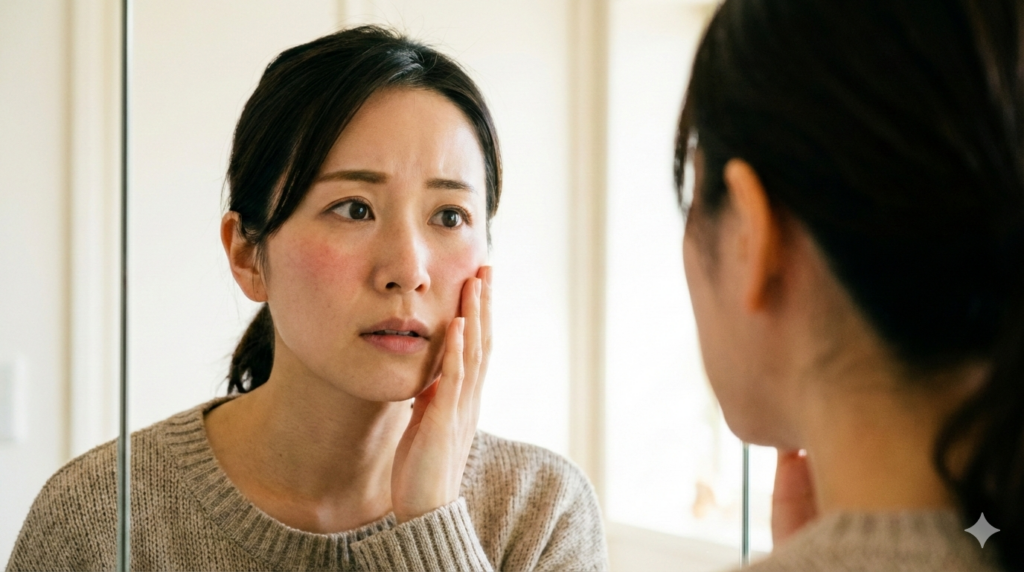
Below, we describe three skin conditions that are commonly confused with sebaceous hyperplasia.
- Syringoma
- Milia
- Epidermoid Cyst (Atheroma)
Each condition differs in its causes, symptoms, and treatment options, so please use this information as a reference to help distinguish between them.
However, distinguishing between these conditions on your own can be difficult. Please do not attempt to self-diagnose or self-treat — consult a clinic for a proper evaluation.
1. Syringoma
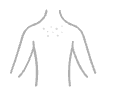
Syringoma is a condition characterized by small, skin-colored or pale yellowish raised bumps that typically appear around the eyelids.
The lesions are generally 1–3 mm in diameter and may also occur on the face, chest, or abdomen. Syringoma is more commonly seen in women.
Syringoma does not resolve on its own, so treatment at a clinic should be considered.
In rare cases, syringoma may be misdiagnosed as a wart, and a physician may suggest cryotherapy with liquid nitrogen — however, this carries significant risks. Liquid nitrogen is unlikely to improve syringoma and may leave scarring.
If you notice wart-like bumps on your eyelids in particular, syringoma should be considered as a possibility.
For more details about syringoma, please refer to the following article.
What Is Syringoma? Causes of Bumps Under the Eyes and Four Treatment Options Available at Our Clinic
2. Milia
Milia is a condition in which numerous small cysts develop, predominantly around the eyes and eyelids.
The contents of these cysts are composed of keratin (dead skin cells), which often appear white and semi-transparent through the skin.
Milia is thought to develop due to sluggish skin cell turnover, and the number of cysts often increases with age. However, because children can also be affected, constitutional factors may also play a role.
While milia may occasionally resolve on its own, this typically takes a considerable amount of time. For more efficient resolution, consulting a clinic is advisable.
3. Epidermoid Cyst (Atheroma)
An epidermoid cyst is a benign growth that forms when dead skin cells and sebum accumulate within a sac-like pocket beneath the skin.
The exact cause of epidermoid cysts is not yet fully understood.
Early on, the only noticeable sign may be a lump beneath the skin without any visible surface changes, making it easy to overlook.
The cyst has a small opening through which bacteria can enter, potentially leading to infection and inflammation. At this stage, symptoms such as pain and warmth may develop, and many people only become aware of the condition at this point.
Attempting to squeeze the cyst yourself can spread the infection and worsen the condition. Please avoid self-treatment and consider visiting a clinic instead.
For information on the causes, symptoms, and treatment of epidermoid cysts, please visit the following page.
About Epidermoid Cysts (Atheroma)
Three Treatment Options for Sebaceous Hyperplasia at IC Clinic

Our clinic offers the following three treatment options for sebaceous hyperplasia.
- Surgical excision
- CO2 laser (carbon dioxide laser)
- Cryotherapy with liquid nitrogen
Below, we explain the features, benefits, and drawbacks of each approach.
Surgical Excision
Sebaceous hyperplasia can be treated by surgical excision using a scalpel.
Because the procedure does not involve removing deep tissue, scarring is generally minimal. However, depending on the extent of the excision, there may be noticeable bleeding, and a larger dressing may be applied after the procedure.
At our clinic, dermatologists and plastic surgeons work together as a team. By combining expertise from both specialties, we aim to minimize discomfort and keep scarring as inconspicuous as possible.
CO2 Laser (Carbon Dioxide Laser)
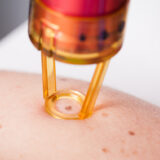
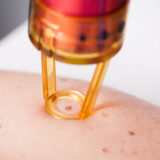
A CO2 laser, which targets water molecules in tissue, can be used to vaporize the affected lesions.
Compared to surgical excision, CO2 laser treatment typically involves less post-procedural bleeding and may support faster healing of the treated area. However, complete removal of the growth cannot always be achieved, so surgical excision may offer a more thorough outcome in some cases.
For more information about CO2 laser treatment at our clinic, please visit the following page.
Wart and Mole Removal with CO2 Laser | Features, Typical Costs, and Important Considerations
Cryotherapy with Liquid Nitrogen
This treatment involves applying a cotton swab soaked in ultra-cold liquid nitrogen to freeze and destroy the cells of the growth.
While it cannot address the underlying cause of sebaceous hyperplasia, it may help improve the appearance of the lesions. However, there is a risk of post-inflammatory pigmentation and scarring, and we do not generally recommend liquid nitrogen cryotherapy for sebaceous hyperplasia at our clinic.
For more information about cryotherapy with liquid nitrogen, please refer to our wart treatment page below.
Frequently Asked Questions About Sebaceous Hyperplasia

Below, we have compiled answers to frequently asked questions about sebaceous hyperplasia. We hope this helps address any concerns you may have about symptoms or treatment.
Q. Is treatment for sebaceous hyperplasia covered by health insurance?
As a general rule, health insurance applies to sebaceous hyperplasia treatment, including surgery.
Initial consultation fees and prescription fees associated with surgery are also covered under insurance.
However, CO2 laser treatment falls outside the scope of insurance coverage. Please feel free to ask about detailed pricing at the time of your visit.
Q. Are there any ways to prevent or manage sebaceous hyperplasia?
Supporting a regular skin cell turnover cycle may help with the prevention and management of sebaceous hyperplasia.
It is thought that age-related disruption to skin cell turnover can lead to increased sebum production, which may contribute to the onset or progression of sebaceous hyperplasia.
Turnover can also be affected by lifestyle habits beyond aging. Irregular sleep patterns or an unbalanced diet may disrupt skin cell turnover and potentially contribute to excess sebum production.
Incorporating skin-supporting nutrients such as vitamins into your diet and maintaining a consistent daily routine may help in managing sebaceous hyperplasia.
Q. Can sebaceous hyperplasia resolve on its own?
Sebaceous hyperplasia does not resolve spontaneously. While the growths are benign and leaving them untreated poses no direct harm to your health, they tend to gradually enlarge over time.
As a result, their appearance may become more noticeable and may cause increasing concern in daily life. If you are bothered by how they look, we encourage you to consult a clinic.
Seek Sebaceous Hyperplasia Treatment at IC Clinic
Sebaceous hyperplasia is a condition in which yellowish or whitish raised bumps, approximately 5–6 mm in diameter with a central depression, appear on the skin.
Because it can easily be confused with syringoma, milia, or epidermoid cysts, please do not attempt to self-diagnose — consult a clinic for a proper assessment.
Our clinic offers the following three treatment options.
- Surgical excision
- CO2 laser (carbon dioxide laser)
- Cryotherapy with liquid nitrogen
We will recommend the most suitable treatment approach based on your individual condition, so please feel free to get in touch with us.
Features of Sebaceous Hyperplasia Treatment at IC Clinic
At IC Clinic, our approach to sebaceous hyperplasia treatment is characterized by the following.
Extensive Clinical Experience Our clinic handles several hundred sebaceous hyperplasia cases each year. Drawing on this broad clinical experience, we tailor our treatment recommendations to the individual needs of each patient.
Treatment with an Aesthetic Perspective Rather than simply removing the lesion, we take care to consider the cosmetic outcome after treatment. Our goal is to minimize scarring and achieve results that look natural.
Up-to-Date Medical Equipment We are equipped with a high-performance CO2 laser and other current medical devices, enabling more precise treatment with reduced physical burden.
Treatment Process
1. Initial Consultation & Counseling
- Detailed assessment of your symptoms
- Close examination of your skin using specialized equipment
- Explanation of treatment options and discussion of your preferences
- Information on fees and expected treatment duration
2. Pre-Treatment Preparation
- Signing of informed consent form
- Photography of the treatment area (for treatment record purposes)
- Administration of local anesthesia
3. Treatment
- Procedure based on the selected treatment approach
- Post-procedure condition check
- Dressing of the treated area
4. Aftercare
- Post-procedure instructions and precautions
- Explanation of prescribed medications
- Scheduling of follow-up appointment
Fee Information
Insurance-Covered Treatment
- Initial consultation fee: approx. ¥900 (at 30% co-pay)
- Surgical fee (per lesion): approx. ¥3,000–¥6,000 (at 30% co-pay)
- Prescription medication: approx. ¥500–¥1,000 (at 30% co-pay)
Out-of-Pocket (Non-Insured) Treatment
- CO2 laser trial treatment: ¥3,300 per lesion (tax included)
※ Insurance eligibility is determined based on the results of your consultation. ※ Fees may vary depending on the scope of treatment.
Aftercare and Post-Treatment Precautions
Immediately After Treatment (Day of Procedure)
- Keep the treated area clean
- Apply the prescribed ointment as directed
- Avoid strenuous exercise and prolonged bathing
First Week After Treatment
- Change the dressing daily
- Avoid rubbing or applying strong pressure to the treated area
- Take thorough measures to protect the area from UV exposure
Until Healing Is Complete (Approximately 2–4 Weeks)
- Attend scheduled follow-up appointments for progress monitoring
- Resume use of cosmetics only after receiving approval from your physician
- If you notice any unusual symptoms, please visit the clinic promptly
Combined Treatment for Co-occurring Skin Conditions
The following conditions, which may occur alongside sebaceous hyperplasia, can also be treated at the same time:
Seborrheic Keratosis (Age Spots / Warts) These can be treated with the same CO2 laser, making it possible to address both conditions efficiently in a single session.
Seborrheic Keratosis This condition often develops concurrently with sebaceous hyperplasia due to aging, and both can be addressed in a single treatment session.
Syringoma For syringoma that develops particularly around the eye area, we provide expert care from differential diagnosis through to the selection of an appropriate treatment plan.
Second Opinions
We welcome patients who have received treatment at another clinic but are not satisfied with the results, or who have concerns about their current treatment plan, to seek a second opinion at our clinic.
- Thorough review of your treatment history at other clinics
- Objective assessment of your current condition
- Presentation of treatment options available at IC Clinic