
“What are the effects and costs of Chemical Peeling?”
“I’d like to know about recommended combination treatments with Chemical Peeling.”
If these are questions on your mind, read on.
Chemical Peeling is a type of aesthetic treatment. By applying a chemical solution to the face, it removes dead skin cells while helping to regulate skin cell turnover, supporting improvement of skin concerns such as acne and dark spots.
On this page, we explain the effects, costs, and recommended combination treatments for Chemical Peeling.
Reading through to the end will help you decide whether Chemical Peeling is right for you.
At our clinic, we propose treatment plans tailored to each individual patient and provide care with a focus on results. We take the time to listen carefully to your concerns and symptoms, so please book a consultation using the button below.
Table of Contents
- 1 What Is Chemical Peeling? An Aesthetic Treatment That Removes Dead Skin Cells
- 2 Types of Chemical Peeling
- 2.1 Type ① Glycolic Acid Peeling
- 2.2 Type ② Salicylic Acid Macrogol Peeling
- 2.3 Type ③ Massage Peel (Collagen Peel)
- 3 Effects of Chemical Peeling | Addressing Acne, Open Pores, and Pigmented Spots
- 3.1 How Chemical Peeling Works to Promote Healthier Skin
- 3.2 Can Chemical Peeling Improve Acne Scars?
- 3.3 When Do Results Appear? A Guide of Once Every Two Weeks / Five or More Sessions
- 4 Combining Chemical Peeling with Iontophoresis Is Recommended
- 5 The Chemical Peeling Treatment Process
- 5.1 Is There Downtime After Chemical Peeling? Post-Treatment Recovery
- 5.2 Side Effects of Chemical Peeling and Pre-Treatment Precautions
- 6 Can You Do Chemical Peeling at Home? Differences Between Self-Treatment and a Clinic
- 7 Differences Between Clinical Chemical Peeling and Over-the-Counter Peeling Products
- 8 How Much Does Chemical Peeling Cost? Our Treatment Fees
- 9 Frequently Asked Questions About Chemical Peeling
- 9.1 Q. If My Acne or Pores Seem Worse After Treatment, Does That Mean Something Went Wrong?
- 9.2 Q. Can Chemical Peeling Be Applied to Areas Other Than the Face, Such as the Back?
- 10 If You Are Concerned About Acne or Open Pores, Consider Trying Chemical Peeling
What Is Chemical Peeling? An Aesthetic Treatment That Removes Dead Skin Cells
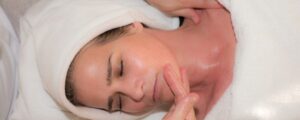
Chemical Peeling is an aesthetic treatment that removes dead skin cells.
By applying a chemical solution such as glycolic acid to the skin, it loosens and removes dirty or excess keratin and surface skin cells.
At the same time, it helps regulate the skin’s cell turnover cycle and weakens the bonds between layers of the stratum corneum, supporting the generation of new skin cells.
Cell turnover refers to the metabolic process that takes place in the skin’s epidermis. It describes the cycle in which cells formed deep within the epidermis rise to the surface to become the stratum corneum, and are then shed as waste or flaky skin.
When cell turnover is disrupted, it can contribute to skin concerns such as acne and enlarged pores.
Chemical Peeling uses solutions containing active ingredients that penetrate deep into the epidermis. By supporting the normalization of skin cell turnover, this treatment may help improve overall skin quality.
Popular Article:
Top 30 Clinics Recommended for Acne Scar Treatment | Can Over-the-Counter Products Fade Acne Scars? The Drawbacks of Trying to Treat Acne Scars on Your Own
Types of Chemical Peeling
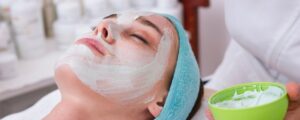
There are various types of Chemical Peeling, each using a different chemical solution.
- Glycolic Acid Peeling
- Salicylic Acid Macrogol Peeling
- Massage Peel (Collagen Peel)
The following sections describe each of these three types of Chemical Peeling in detail.
Type ① Glycolic Acid Peeling
Glycolic Acid Peeling involves applying glycolic acid—a type of fruit acid (AHA)—to the skin.
Glycolic Acid Peeling is associated with the following effects:
- Suppression of pore keratinization
- Stimulation of skin metabolism
- Promotion of collagen production
Through these actions, it may help lead to smoother, more radiant-looking skin with a refined texture.
In addition, glycolic acid has the ability to weaken bonds between skin cells, and may also help address dullness and uneven skin tone.
Type ② Salicylic Acid Macrogol Peeling
Salicylic Acid Macrogol Peeling is a peeling treatment that dissolves excess keratin to help improve skin quality.
It uses a peeling agent in which salicylic acid is dissolved in a macrogol base.
Previously, ethanol-based peeling agents were used, but they were associated with side effects such as pain, redness, and inflammation. The macrogol base is characterized by fewer side effects such as pain and inflammation during treatment compared to ethanol-based agents.
Compared with Glycolic Acid Peeling, it may also more evenly remove dead skin cells, and is expected to offer meaningful benefits for concerns such as acne and dark pore congestion.
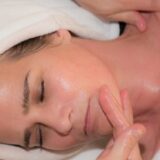
Type ③ Massage Peel (Collagen Peel)
Massage Peel is a type of Chemical Peeling that uses a solution called “PRX-T33.” The three main active ingredients in PRX-T33 are:
- Trichloroacetic acid (TCA)
- Hydrogen peroxide
- Kojic acid
Trichloroacetic acid stimulates fibroblasts in the dermal layer and promotes collagen production. Hydrogen peroxide helps suppress the inflammatory action of trichloroacetic acid and inhibits melanin production, supporting improvement of pigmented spots and dullness.
This treatment may help address a range of skin concerns, including pore tightening and acne improvement.
For a more detailed explanation of Massage Peel, please visit the page below.
What Is a Collagen Peel (Massage Peel)? Five Effects and the Risks of Self-Treatment Explained
Effects of Chemical Peeling | Addressing Acne, Open Pores, and Pigmented Spots

The following skin concerns may be addressed with Chemical Peeling:
- Open pores
- Acne
- Pigmented spots
- Dull skin tone
- Fine lines
Many skin concerns—such as dullness and fine lines—are often related to disrupted cell turnover. Chemical Peeling works by applying a chemical solution to help regulate skin cell turnover, supporting improvement of pigmented spots and dull skin tone.
Peeling also removes excess keratin and pore-clogging plugs. It may also help improve dark spots and open pores, making it a suitable option for those troubled by nose blackheads or enlarged pores (strawberry nose).
Additionally, Chemical Peeling has an action that helps suppress the skin inflammation associated with acne, and may offer meaningful benefits for acne improvement.
How Chemical Peeling Works to Promote Healthier Skin
The mechanism by which Chemical Peeling promotes healthier skin is as follows:
- A chemical solution is applied to the skin
- Simultaneously, excess keratin and impurities on the skin’s surface are removed
- Generation of new skin cells is activated
- Skin concerns are addressed
The solution applied during Chemical Peeling penetrates from the stratum corneum down to the deeper layers of the epidermis.
As the solution activates skin regeneration, it supports improvement of skin concerns and promotes healthier-looking skin.
Can Chemical Peeling Improve Acne Scars?
Chemical Peeling may help improve mild acne scarring.
By peeling the skin’s surface, it can support improvement of the uneven texture associated with acne scars. Chemical Peeling may also help address post-inflammatory hyperpigmentation, making it a useful option for acne scar discoloration as well.
However, when acne scarring is severe and has developed into deep, crater-like depressions, treatment with Chemical Peeling alone may be insufficient. In such cases, combining the treatment with other approaches such as laser therapy may be recommended.
When Do Results Appear? A Guide of Once Every Two Weeks / Five or More Sessions
Many people wonder: “When will I start to see results from Chemical Peeling?” or “How many sessions will I need?”
A degree of improvement may be noticeable even after a single session; however, multiple sessions are generally needed to address concerns such as acne and pigmented spots.
For example, moderate acne typically requires around 6 sessions as a guideline, while severe acne may require an average of 10. Therefore, depending on the severity of symptoms, approximately 6 to 10 sessions may be needed to address acne.
The recommended frequency for Chemical Peeling is approximately once every two weeks. Once results become apparent, the interval can gradually be extended to once every one to one and a half months, helping to reduce the burden on the skin.
Combining Chemical Peeling with Iontophoresis Is Recommended

To enhance the effects of Chemical Peeling, combining it with iontophoresis is recommended.
Iontophoresis is a treatment that uses a mild electric current to help active ingredients—such as vitamin C and tranexamic acid—penetrate into the skin.
After Chemical Peeling, the skin is in a state where dead skin cells have been removed, making it more receptive to active ingredients. As a result, active ingredients delivered via iontophoresis may penetrate more deeply into the skin, and a synergistic effect can be expected.
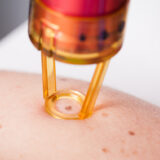
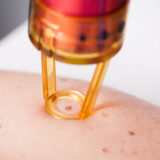
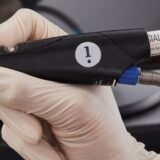
Combining Chemical Peeling with Dermapen Microneedling is also recommended. Dermapen Microneedling creates micro-channels in the skin using fine needles, which promotes collagen production and helps improve overall skin quality.
When used in combination with Chemical Peeling, the chemical solution can penetrate through the micro-channels created by Dermapen, and a synergistic effect can be expected.
For more details on iontophoresis and Dermapen Microneedling, please visit the pages below.
What Is Peeling? The Synergistic Effects of Iontophoresis and Collagen Peel Explained!
Improve Skin Quality with Dermapen Microneedling! When Do Results Appear? Three Features and the Treatment Process Explained!
The Chemical Peeling Treatment Process

The Chemical Peeling treatment process is as follows:
- A consultation to assess your skin condition
- Pre-treatment cleansing to remove makeup and skin impurities
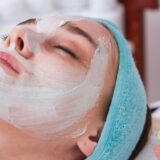
- Application of the chemical solution
- Removal of the chemical solution
- Cooling
- Treatment complete
During the consultation, we examine the patient’s skin and propose a treatment plan suited to their individual condition.
Prior to the treatment, you will be asked to cleanse and wash your face to remove makeup, sebum, and any other impurities.
Is There Downtime After Chemical Peeling? Post-Treatment Recovery
Possible symptoms during the downtime after Chemical Peeling include:
- Skin peeling
- Redness and skin irritation
- Skin dryness
After Chemical Peeling, the skin may experience redness and irritation due to dryness, and those with sensitive skin may notice some light flaking. In most cases, however, these symptoms resolve within 2 to 3 days.
A tingling sensation may be felt immediately after treatment.
Please also note that the skin is more susceptible to sun damage following Chemical Peeling. For this reason, please apply a sunscreen with UV protection when going outdoors for 1 to 2 weeks after treatment.
Side Effects of Chemical Peeling and Pre-Treatment Precautions
Chemical Peeling has relatively few side effects. Mild itching or a tingling sensation may remain after treatment, but significant pain or swelling is uncommon.
As a pre-treatment precaution, please avoid shaving the face, applying face masks, or using scrub cleansers the day before your session. This is because damaged skin can result in the peeling agent penetrating more deeply than intended.
In addition, individuals who fall into the following categories may not be able to receive Chemical Peeling treatment:
- Those with asthma or atopic dermatitis
- Those who are pregnant or breastfeeding
- Those currently undergoing treatment for a medical condition
- Those who are prone to scarring
If any of the above apply to you, please consult with your attending physician before treatment.
Can You Do Chemical Peeling at Home? Differences Between Self-Treatment and a Clinic

While Chemical Peeling can be performed at home, having it done at a clinic is recommended.
The key difference between clinical-grade peeling and at-home peeling is the concentration of the solution used. In the case of Glycolic Acid Peeling, for example, at-home products typically contain a concentration of 2.5–7.5%, whereas clinical-grade solutions are formulated at 20–30%.
This is because at-home peeling products are classified as quasi-drugs or cosmetics.
At-home Chemical Peeling is intended primarily as general skin care. If you are looking to address concerns such as acne or pigmented spots, we recommend receiving Chemical Peeling at a clinic.
Differences Between Clinical Chemical Peeling and Over-the-Counter Peeling Products
The key difference between clinical Chemical Peeling and over-the-counter peeling products is the concentration of the active ingredients.
Clinical Chemical Peeling uses higher concentrations than over-the-counter peeling products, and may offer more pronounced effects.
Over-the-counter peeling products are available in three main forms:
- Soap type
- Serum type
- Rinse-off type
Each type differs in its effects and potential burden on the skin, so it is important to select a product suited to your skin’s condition and type.
Clinical Chemical Peeling, on the other hand, allows the type and concentration of the solution to be adjusted to suit your individual skin, which may help minimize the burden on your skin compared with over-the-counter products.
How Much Does Chemical Peeling Cost? Our Treatment Fees

The cost of Chemical Peeling at our clinic varies depending on the purpose of treatment.
Please refer to the relevant price list below for your specific concern:
- Price list for Pigmented Spots & Melasma
- Price list for Acne
- Price list for Skin Beautification & Firmness
- Price list for Body Dark Spots
- Price list for Clogged Pores
Frequently Asked Questions About Chemical Peeling

Here we have compiled answers to frequently asked questions about Chemical Peeling.
Q. If My Acne or Pores Seem Worse After Treatment, Does That Mean Something Went Wrong?
After Chemical Peeling, acne or pores may temporarily appear worse.
This kind of temporary worsening of symptoms is known as a “healing response” and occurs because Chemical Peeling activates the skin’s cells.
In most cases, continuing treatment will lead to improvement, so we encourage you to keep up with your Chemical Peeling sessions.
Q. Can Chemical Peeling Be Applied to Areas Other Than the Face, Such as the Back?
Chemical Peeling can be performed on areas other than the face. Treatment of the back and arms is also available.
However, the skin on the body is thicker than facial skin, which means results may be less noticeable.
For this reason, it may take longer to perceive results compared with facial treatment.
If You Are Concerned About Acne or Open Pores, Consider Trying Chemical Peeling

Chemical Peeling is a type of aesthetic treatment. By applying a chemical solution to the face, it helps deliver active ingredients deep into the skin.
Skin concerns that may be addressed with Chemical Peeling include:
- Open pores
- Acne
- Pigmented spots
- Dull skin tone
- Fine lines
By helping to regulate the skin’s cell turnover cycle, Chemical Peeling may support improvement of a range of skin concerns. Downtime is relatively minimal, and the treatment places a comparatively low burden on the skin.
If you are troubled by acne or open pores, please feel free to consult us at our clinic.
At our clinic, we propose treatment plans tailored to each individual patient and provide care with a focus on results. We take the time to listen carefully to your concerns and symptoms, so please book a consultation using the button below.