
This page is supervised and written by specialist physicians at IC Clinic.
Agnes Treatment: A Complete Guide
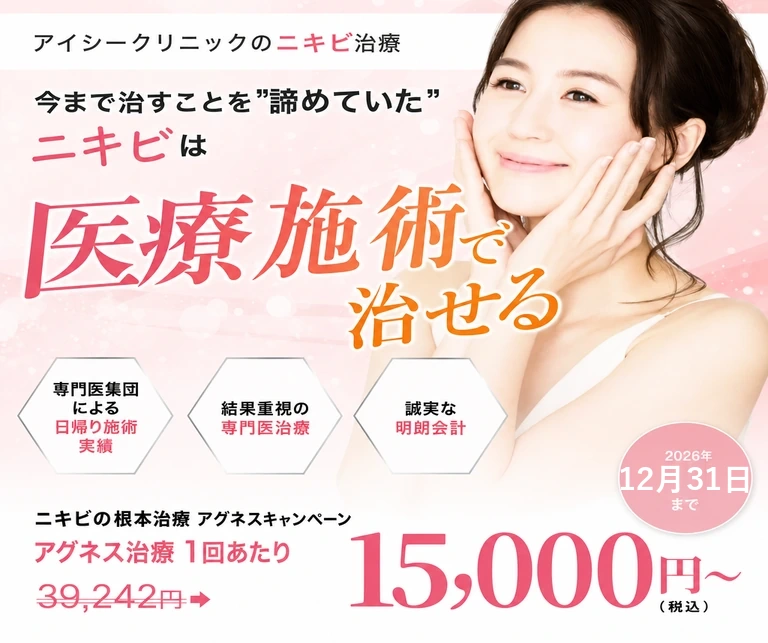

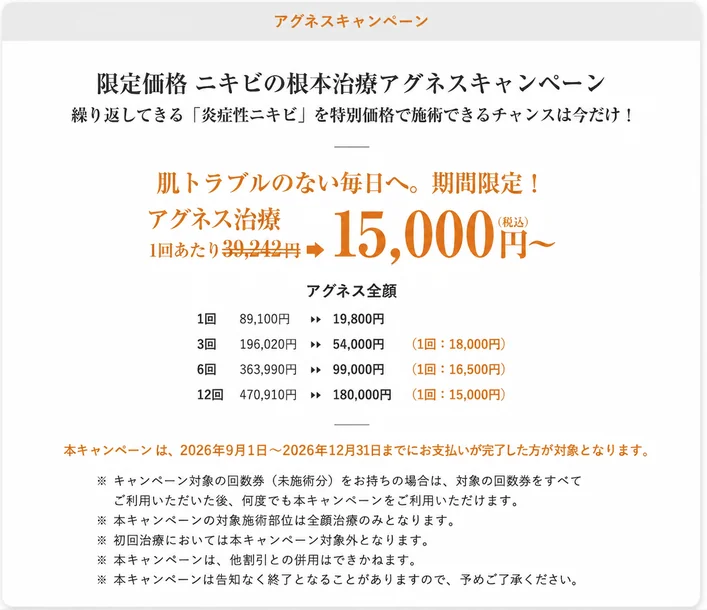
Acne Treatment at a Dermatology Clinic
Acne requires proper treatment based on an accurate understanding of its underlying causes.
Improper approaches—such as squeezing pimples or relying solely on over-the-counter products—can make acne significantly worse.
To help prevent acne scars such as redness, post-inflammatory hyperpigmentation, or, in more severe cases, crater-like scarring, we recommend consulting a specialist clinic rather than attempting self-treatment.
Common Types of Acne
Skin concerns related to acne can generally be divided into three categories based on the stage of progression.
- Non-inflammatory acne
- Inflammatory acne
- Acne scars
Non-inflammatory acne represents the early stage. Care focuses on removing excess keratin buildup in the pores to prevent the proliferation of acne-causing bacteria (C. acnes). As the condition progresses, inflammation develops, and once acne becomes severe, scars may remain even after healing, making treatment more challenging. We recommend seeking a dermatological evaluation and beginning treatment before reaching that point.
Non-Inflammatory Acne
- Whiteheads (Closed Comedones)Whiteheads are an early stage of acne in which sebum accumulates around the pore, causing it to become blocked. They are primarily caused by irregular skin cell turnover (skin renewal cycle) and excessive sebum production. The resulting clogged pore forms what is known as a comedo, which develops when sebum secreted from the pore oxidizes or becomes trapped.
Because whiteheads are painless, they are often overlooked—yet during this time, acne-causing bacteria can multiply and the condition can worsen. They tend to form in areas with higher sebum production, particularly around the chin, below the mouth, and under the nose. They can also lurk around existing inflammatory acne and may trigger renewed inflammation after one blemish has resolved.
If you want to address acne before it worsens, taking action at this early stage is important. - Blackheads (Open Comedones)Blackheads occur when excess sebum in a whitehead causes the pore to open, and the overflowing sebum oxidizes and appears dark in color. Like whiteheads, this is still an early stage with no associated pain; however, if left untreated, inflammation can eventually develop, leading to red pimples.
The causes of blackheads are the same as those of whiteheads: irregular skin cell turnover and excessive sebum production. When hormonal balance is disrupted by stress, lack of sleep, or a high-fat diet, sebum production increases and acne can worsen.
If you notice an increase in blackheads, it is worth considering treatment before the condition progresses to inflammatory acne.
Inflammatory Acne
- Red Pimples (Papules / Pustules)Red pimples develop when whiteheads or blackheads worsen and acne-causing bacteria that have multiplied inside the pore trigger inflammation. As inflammation progresses, the affected area may become painful and warm to the touch. Because inflammation causes damage to the surrounding tissue, this stage carries a risk of acne scarring.
Additionally, once a red pimple has formed, the same pore may be prone to recurring inflammation. Each recurrence can expand the damage, potentially leading to crater-like scarring. Since acne-causing bacteria are the underlying cause, antibiotics are commonly used; in more advanced cases, external treatments such as Chemical Peeling may also be incorporated. - Yellow Pimples (Pustules with Pus)Yellow pimples represent the most advanced stage of acne, where inflammation from a red pimple has intensified and pus has accumulated inside the pore. At this stage, inflammation often extends deep into the skin. They tend to form particularly along the hairline, cheeks, and chin. The likelihood of developing acne scars such as crater-like depressions is relatively high, so it is advisable to consult a clinic physician promptly.
Attempting to pop and drain the pus yourself can worsen the acne, so please take care to avoid doing so.
Acne Scars
- Post-Inflammatory Hyperpigmentation (PIH)Post-inflammatory hyperpigmentation is caused by melanin produced during acne inflammation, resulting in brownish, mark-like acne scars. In areas where acne has formed, the skin’s natural renewal cycle (turnover) becomes disrupted, and melanin is not broken down or eliminated efficiently. The accumulation of old keratin further contributes to hyperpigmentation.
PIH is not permanent and tends to fade gradually over time. However, if melanin has penetrated deep into the dermis, natural recovery may become more difficult and the condition may persist for an extended period.
It is also important to note that continued sun exposure before the marks have faded can stimulate further melanin production, so sun protection is recommended. - Crater Scarring (Atrophic Scars)Crater scarring occurs when acne inflammation reaches deep into the dermis, leaving a depression in the affected area even after healing. Because the damaged tissue around the pore undergoes excessive repair involving large amounts of collagen, the skin surface becomes uneven, with both indentations and raised areas. The skin may also become firmer than the surrounding tissue, and once this stage is reached, restoring the skin to its original condition becomes considerably more challenging.
For more detailed information on treating acne scars, please see our article: “Acne Scar Treatments and Their Causes: Addressing Crater Scarring and Hyperpigmentation.”
Causes of Acne

Common contributing factors to acne include the following:
- Stress
- Lack of sleep
- Dry or oily skin
- Hormonal imbalance
- Prolonged use of masks and similar items
These factors are associated with excessive sebum production. However, they are only contributing factors and are not the root cause of acne. The underlying causes believed to worsen acne are inflammation triggered by acne-causing bacteria (C. acnes) and abnormal keratinization.
Types of Acne Treatments and General Price Ranges
There are currently many approaches available for treating acne, and the methods offered vary from clinic to clinic.
Below we introduce the features, advantages and disadvantages, and general price ranges of five commonly used treatment options.
For details on pricing for each treatment at our clinic, please refer to the Acne Treatment Price List.
Acne Treatment at IC Clinic | High-Frequency Needle “Agnes”
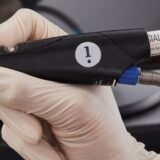
Our clinic offers a targeted acne treatment approach using the high-frequency needle device “Agnes.”
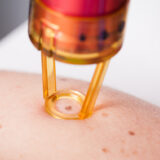
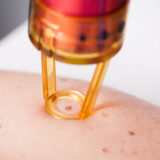
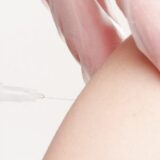
The defining feature of Agnes treatment is its ability to deliver high-frequency energy directly to the sebaceous glands and selectively destroy them, addressing the source of acne at its root.
Because it acts directly on the dermis, it is particularly suited for cases where surface-level skin care alone has not been sufficient. The needles used with Agnes are extremely fine, which means downtime is relatively minimal and there is generally little impact on daily activities. It is also notable for leaving minimal scarring. In addition to its effectiveness for recurring acne, it may also offer some improvement in the appearance of fine lines and skin laxity.
Completing the full course of treatment typically requires approximately 3 to 5 visits.
| Treatment Duration | 10 to 30 minutes |
|---|---|
| Treatment Interval | Every 1 to 3 months |
| Possible Risks and Side Effects | Redness, swelling, bruising ※ If redness or changes in skin tone are a concern, treatments such as ICON (Photofacial) or iontophoresis are also available. |
| Treatment Fees | Please refer to the Acne Treatment Price List |
How Acne Treatment Works: Step by Step
 Please make a reservation by phone or via our online booking form.
 We will listen to your concerns and wishes and provide care accordingly. Please feel free to ask us anything you are unsure about.
 A physician experienced in acne treatment will examine you, identify the underlying causes of your acne, and discuss a treatment plan tailored to your needs.
 We will propose a personalized treatment plan tailored to your skin type and individual condition.
Frequently Asked Questions About Acne Treatment
The available treatment methods differ. Under insurance coverage, treatment is limited to medication only. With self-pay (out-of-pocket) treatment, options such as high-frequency needle therapy become available.
This varies depending on each patient’s condition, but with Agnes treatment, many patients report noticing a difference within approximately one week.
While the effects of Agnes treatment may be noticeable after a single session, it is unlikely to resolve the condition completely. In general, approximately 3 to 5 sessions are needed to work toward full resolution.
Make sure to get enough sleep and avoid squeezing or popping pimples. Washing your face twice a day with a mild, low-irritation cleanser—lathered well and applied gently—is recommended.
For those who want to address acne more effectively, we recommend a cosmetic dermatology clinic. By combining insurance-covered and self-pay treatments, it becomes possible to work toward both clearing acne and improving overall skin appearance.
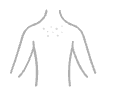
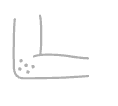
We provide acne treatment for the entire body, so please feel free to consult us.
When the high-frequency current is applied through the needle to the affected area, a pinching sensation may occur. We have topical anesthesia available for use on the skin, so please feel free to ask us about it.
Please rest assured. The face is said to have as many as 200,000 pores, and only a small percentage of the sebaceous glands—specifically those associated with acne—are targeted. The remaining sebaceous glands continue to function normally, so there is no concern about developing dry skin or other skin issues as a result.
Redness and mild swelling may occur for approximately 1 to 2 weeks.
In most cases, this can be covered with makeup.
※ If redness or changes in skin tone are a concern, treatments such as ICON (Photofacial) or iontophoresis are also available.
Redness and mild swelling may occur immediately after the session.
These effects generally settle within about one week.
With repeated sessions, acne tends to become less likely to recur.
Yes, treatment is available for minors.
However, patients under 18 years of age attending their first appointment will need to be accompanied by a parent or legal guardian, or provide a signed consent form from a parent or guardian.
Treatment duration varies depending on the procedure. Please check with us when making your reservation.
The treatment method and duration vary depending on the individual’s condition. We will propose a treatment plan suited to your symptoms and schedule.
Trust IC Clinic for Your Acne Treatment

Left untreated or handled incorrectly, acne can persist indefinitely, and once it progresses to post-inflammatory hyperpigmentation or crater-like scarring, it becomes considerably more difficult to treat. However, when appropriate treatment is sought while symptoms are still mild, early improvement may be achievable with reduced risk of scarring, and it can also help prevent recurrence.
If you are concerned about acne, please do not hesitate to consult us. We will propose an acne treatment plan tailored to your individual condition.
For details on pricing for acne treatment at our clinic, please refer to the Acne Treatment Price List.