
Skin Darkening & Hyperpigmentation Treatment | IC Clinic
“I want to get rid of skin darkening and achieve clear, beautiful skin.”
“I’ve been trying over-the-counter products, but I’m not seeing much improvement…”
Many people struggle with skin darkening. While over-the-counter products may offer some improvement, visiting a clinic for professional treatment is also worth considering for a more effective approach.
On this page, we explain everything you need to know about skin darkening on the body.
- Areas of the body prone to skin darkening
- Causes of skin darkening
- Treatment options for skin darkening
- Proper skincare to address darkening
We cover all of the above, so please read through to the end.
Areas of the Body Prone to Skin Darkening

There are five main areas of the body where skin darkening commonly occurs.
| Area | Causes & Characteristics |
|---|---|
| Around the Eyes | ・Using skincare or cosmetics that do not suit your skin ・Rubbing too hard when removing makeup |
| Underarms | ・Self-hair removal using razors or tweezers ・Friction from clothing |
| Elbows & Knees | ・Scrubbing elbows or knees too hard during bathing ・Friction from leaning on elbows or kneeling |
| Intimate Area | ・Pressure and friction from tight underwear ・Wiping too hard with toilet paper ・Irritation from sanitary pads |
| Face & Whole Body | ・Using skincare or cosmetics that do not suit your skin ・Picking at or repeatedly touching acne, blemishes, or wounds |
Skin darkening can occur in both men and women and is not limited to a single area. It tends to appear in places where friction is common or where the skin is thin.
In some cases, skin darkening may also be triggered by allergic conditions such as atopic dermatitis.
The following section explains the underlying causes of pore-related darkening in greater detail.
3 Main Causes of Skin Darkening on the Body

The causes of skin darkening on the body can be grouped into three main categories.
- Improper self hair removal
- Post-inflammatory hyperpigmentation
- Clogged pores and oxidized sebum
Understanding your own cause of darkening can help you determine the most appropriate course of action.
1. Improper Self Hair Removal | Darkening from Ingrown Hairs and Stubble
Improper self hair removal can lead to ingrown hairs and stubble-related darkening.
Ingrown hairs occur when hair grows back into the skin rather than out through the surface. When hair is not fully removed, it can remain visible beneath the skin, giving it a darkened appearance.
Ingrown hairs may resolve on their own over time, but the process can trigger hyperpigmentation or inflammation, potentially causing further darkening. For this reason, it is important to treat ingrown hairs using the correct method.
2. Hyperpigmentation | Melanin Production Triggered by Inflammation
Inflammation caused by acne, pimples, insect bites, and similar conditions is another common cause of skin darkening. Inflammation stimulates melanin production, which can result in brownish discoloration.
This brown discoloration may fade over time, but when excess melanin accumulates, it can develop into more pronounced darkening.
Burns, sunburn, and skin irritation caused by cosmetics that do not suit your skin can also contribute to darkening. Scratching or repeatedly touching inflamed areas adds further stress to the skin and may worsen discoloration.
In general, more severe inflammation or a longer healing period tends to result in deeper, more noticeable darkening.
3. Clogged Pores | Oxidized Keratin Plugs Turning Dark
Skin darkening on the body can also result from pores becoming clogged with keratin plugs (comedones).
This type of darkening is caused by the oxidation of trapped sebum and keratin, which turns the plugs dark. The tip of the nose and the sides of the nostrils are particularly prone to this, as these areas tend to produce more sebum.
Clogged pores are often associated with a disrupted skin cell turnover cycle. When skin turnover is irregular, sebum and dead skin cells are not shed efficiently, making keratin plug formation more likely.
For more information on the causes of clogged pores and available treatment options, please visit the page below.
What Causes Clogged Pores and Keratin Plugs? Five Clinic-Based Treatments That May Help
Can Over-the-Counter Products Treat Skin Darkening? When to Consider Visiting a Clinic
To address skin darkening with over-the-counter products, toners or creams containing hydroquinone or vitamin C may be worth considering.
Products containing hydroquinone and vitamin C work by inhibiting the enzymes associated with pigment-producing cells and suppressing melanin activity, which may support improvement of skin darkening.
However, over-the-counter products generally require consistent, long-term use before noticeable changes can be observed. Because results appear gradually, continued use is necessary.
Since skin darkening can have multiple causes, if you are unsure of the cause, visiting a clinic for professional assessment is worth considering.
Treatment Options for Skin Darkening | Three Approaches at IC Clinic
Our clinic offers three treatment approaches for skin darkening.
- Chemical Peeling
- Photofacial (ICON)
- Q-Switch YAG Laser (Spectra)
We recommend a treatment approach tailored to each individual’s skin darkening condition. Below we outline the features and benefits of each option.
1. Chemical Peeling
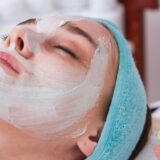
Chemical peeling helps remove the buildup of dead skin cells that can contribute to skin concerns.
By promoting skin metabolism and supporting a more regular skin cell turnover cycle, it may also contribute to overall skin improvement.
The following four benefits are commonly associated with chemical peeling treatment.
- Reduction of clogged pores
- Encouragement of melanin elimination
- Improved skin hydration
- Acne prevention support
By addressing underlying skin concerns, this treatment may help reduce pore darkening and support your journey toward clearer skin.
For a detailed explanation of our chemical peeling treatment, please visit the page below.
What Is Chemical Peeling? Including the Combined Benefits with Iontophoresis and Collagen Peel
2. Photofacial (ICON)
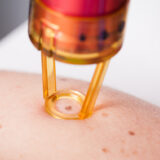
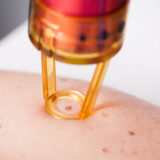
Photofacial treatment uses IPL (Intense Pulsed Light), a specialized broad-spectrum flash light directed at the skin.
The IPL light reaches deeper layers of the skin to help activate skin cells. It works by targeting the pigment responsible for darkened skin, gradually fading the discoloration through the skin’s natural metabolic processes.
For enhanced results, combining the treatment with iontophoresis—which helps high-concentration vitamin C penetrate the skin—is recommended.
Our clinic uses a device called “ICON,” which features a shorter light emission time, helping to minimize the risk of skin burns during treatment.
For a detailed explanation of our Photofacial (ICON) treatment, please visit the page below.
Photofacial (ICON) for Pigmented Spots & Acne Scars – Effects, Features, and Key Considerations
3. Q-Switch YAG Laser (Spectra)
The Q-Switch YAG Laser delivers targeted laser energy to act on melanin pigment in the skin. By addressing skin hyperpigmentation, it may help improve the appearance of skin darkening.
Additional benefits may include support for pore tightening and improvement of acne-related concerns.
Among Q-switch lasers, our clinic uses a YAG laser, which is characterized by its high output. The YAG laser selectively targets melanin pigment while minimizing the risk of damage to surrounding healthy skin.
For a detailed explanation of our Q-Switch YAG Laser treatment, please visit the page below.
Can Skin Darkening Be Prevented? Reducing Hyperpigmentation with Proper Daily Care
Consistent daily self-care is also an important part of preventing skin darkening. There are two main preventive care approaches.
- UV protection
- Avoiding aggressive self hair removal
Practice proper care to help prevent skin darkening from developing in the first place.
UV Protection
Make UV protection a daily habit by applying sunscreen and using a parasol or UV-protective umbrella.
Skin exposed to UV rays tends to become dry and may experience a weakened barrier function. When the skin barrier is compromised, inflammation becomes more likely, which can stimulate melanin production and contribute to skin darkening.
There are two types of UV rays that reach the earth’s surface: UVA and UVB. UVA accounts for approximately 90% of the UV radiation from the sun and can oxidize existing melanin, causing it to appear darker.
UVB makes up only about 10% of solar UV radiation, but it passes through glass and is present throughout the year.
To protect against both UVA and UVB, it is advisable to maintain UV protection year-round.
Avoiding Aggressive Self Hair Removal
Aggressive self hair removal can cause damage to the skin. The resulting irritation stimulates melanin production, which may contribute to skin darkening—so it is advisable to avoid harsh removal methods.
The following tips may help reduce the burden on your skin during hair removal.
- Warm and soften the skin beforehand
- Apply shaving lotion
- Shave in the direction of hair growth
- For shorter hair, gently stretch the skin in the direction of shaving and go against the grain
- Rinse thoroughly and cool the skin afterward
- Moisturize to retain hydration
Since self hair removal takes time and effort, professional Medical Hair Removal at a clinic is also worth considering.
For a detailed explanation of our medical laser hair removal, please visit the page below.
FAQ: Skin Darkening on the Body

Here we answer frequently asked questions about skin darkening on the body. We hope this section helps address any concerns or uncertainties you may have.
During pregnancy, the secretion of the female hormone known as estrogen can increase to approximately 100 times its normal level.
Hormone levels tend to stabilize after childbirth, but it cannot be said with certainty that intimate area darkening will fully resolve.
When pursuing self-care to address darkening, be sure to carefully check the ingredients in any product before use, as some may not be suitable for the body during or immediately after pregnancy.
In addition, consulting a clinic may allow a doctor to recommend treatment options that could help improve the darkening.
However, some treatments may not be available during pregnancy. For most procedures, whether bathing has been cleared at the one-month postnatal check-up is generally used as a guide to determine when treatment can begin.
To avoid any impact on the body during or after pregnancy, we recommend first consulting your attending physician at a routine check-up, or scheduling a thorough consultation at a clinic.
In some cases, skin darkening may be associated with an underlying medical condition. One example is skin cancer, which can sometimes present with pigmentation changes on the body.
Examples include lentigo maligna, which can appear on the faces of older adults, and actinic keratosis, a type of precancerous change seen in areas frequently exposed to UV rays such as the face and backs of the hands.
Some forms of skin darkening can be difficult to distinguish from skin cancer, so it is important not to self-diagnose and to consult a physician if you have any concerns.
For Skin Darkening Treatment, Visit IC Clinic
Skin darkening can affect both men and women and may occur anywhere on the body.
With over-the-counter products, consistent long-term use is generally required before visible changes can be noticed. For a more effective approach to addressing skin darkening, visiting a clinic is worth considering.
At our clinic, we recommend treatment approaches tailored to the individual cause of each patient’s skin darkening.
We will guide you through each step of the process so that you can proceed with confidence. If skin darkening is a concern for you, we invite you to consult with us.
Types of Hyperpigmentation and Condition-Specific Approaches
Hyperpigmentation comes in various forms, and the most suitable treatment differs depending on the type. At our clinic, we conduct a thorough assessment to help identify the treatment approach that best matches your individual condition.
Post-Inflammatory Hyperpigmentation (PIH)
This refers to brownish discoloration that can develop following acne, scarring, insect bites, and similar skin events. Because melanin tends to accumulate in relatively shallow layers of the skin, appropriate treatment may support improvement.
Recommended treatments: Chemical Peeling + Iontophoresis, Photofacial (ICON)
Solar Lentigo (Age Spots)
These are well-defined brownish spots that develop as a result of cumulative UV exposure. They can appear not only on the face but also on the backs of the hands, shoulders, and other areas.
Recommended treatments: Q-Switch YAG Laser, Photofacial (ICON)
Melasma
Melasma presents as symmetrical, light-brown discoloration typically appearing on the cheekbones, and is thought to be strongly influenced by female hormones.
Recommended treatments: Chemical Peeling + oral tranexamic acid, low-output laser
Our Treatment Philosophy and Approach

Personalized Treatment Selection Through Individual Consultation
At our clinic, we conduct a thorough examination to assess the cause, depth, and extent of hyperpigmentation, and propose a treatment plan tailored to each patient’s skin type and lifestyle.
Combined Treatments for Synergistic Results
Rather than relying on a single treatment, we aim for more effective and timely improvement by combining multiple approaches where appropriate.
- Chemical Peeling + Iontophoresis: Exfoliation combined with enhanced absorption of brightening ingredients
- Laser Treatment + Chemical Peeling: Targeting melanin while promoting skin metabolism
- Photofacial + Home Care: Comprehensive approach to overall skin improvement
Treatment Designed to Minimize Discomfort
Through the use of the latest equipment, we aim to reduce discomfort and side effects compared to conventional treatments.
Treatment Process
Step 1: Initial Consultation and Examination
A physician will conduct a detailed examination to identify the cause of hyperpigmentation and determine the most appropriate treatment approach.
Step 2: Treatment Plan Explanation and Consent
We will provide a thorough explanation of the treatment method, estimated duration, and associated costs, and will only proceed once you are fully informed and comfortable.
Step 3: Treatment
Treatment is carried out carefully and attentively, taking into account each patient’s individual condition.
Step 4: Aftercare and Next Appointment
We will provide guidance on post-treatment care and work with you to establish a follow-up schedule.
Treatment Duration and Visit Schedule
Chemical Peeling
- Session interval: Once every 2–4 weeks
- Recommended sessions: 5–10 sessions
- When improvement may be noticed: Around the 3rd session
Photofacial (ICON)
- Session interval: Once every 3–4 weeks
- Recommended sessions: 3–5 sessions
- When improvement may be noticed: Around the 2nd session
Q-Switch YAG Laser
- Session interval: Once every 4–6 weeks
- Recommended sessions: 1–3 sessions
- When improvement may be noticed: From the 1st session onward
Post-Treatment Aftercare and Self-Care Guidance
We provide aftercare guidance to help support treatment outcomes and reduce the likelihood of recurrence.
Thorough UV Protection
- Apply sunscreen with SPF 30 or higher daily
- Make use of hats and UV-protective umbrellas
- Remember UV protection even when indoors
Appropriate Skincare
- Gentle cleansing methods
- How to choose skincare products containing brightening ingredients
- The importance of regular moisturizing
Lifestyle Adjustments
- Quality sleep (to support skin repair)
- A well-balanced diet
- Stress management
Common Concerns and Side Effects
Discomfort During Treatment
- Chemical Peeling: A mild tingling sensation
- Photofacial: A brief, mild snapping sensation similar to a rubber band
- Laser Treatment: A momentary sensation during each pulse
Post-Treatment Course
- Mild redness or swelling (typically resolves within a few hours to a few days)
- Temporary darkening of pigmentation (a normal part of the healing process)
- Crust formation (appropriate care is important during this stage)
Those Who May Not Be Eligible for Treatment
- Individuals who are pregnant or breastfeeding
- Individuals with photosensitivity
- Individuals with a tendency toward keloid scarring
- Individuals with an active infection in the treatment area