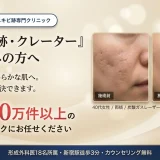

Pigmented spots and acne can develop due to factors such as aging and UV exposure. Many people feel concerned about skin issues yet have resigned themselves to living with them. However, pigmented spots and acne can develop due to factors such as aging and UV exposure.
On this page, we introduce the ICON — a advanced photofacial treatment device used to address a wide range of skin concerns. We explain its effects, features, and important considerations, so please read through to the end.
By reading this page, you will learn about the treatment process for Photofacial (IPL) and the skin conditions that can be addressed with the ICON device. We also cover important precautions, so please familiarise yourself with them before undergoing treatment.
At our clinic, we tailor treatment plans to each individual patient and focus on delivering results. We take the time to listen carefully to your concerns and symptoms, so please book a consultation using the button below.
Table of Contents
- 1 What Is Photofacial (IPL)? A Treatment That Addresses Skin Concerns
- 2 ICON M22: A Leading Photofacial (IPL) Device
- 3 6 Benefits of Photofacial Treatment (ICON)
- 3.1 Reduction of Pigmented Spots & Freckles
- 3.2 Minimising of Pores
- 3.3 IPL Antibacterial Action to Help Improve Acne
- 3.4 Improvement of Acne Scars & Facial Redness
- 3.5 Reduction of Fine Lines
- 3.6 Improved Skin Firmness & Elasticity
- 4 IC Clinic Photofacial (ICON) Pricing Menu
- 5 Photofacial (ICON) Treatment Process
- 5.1 ① Consultation
- 5.2 ② Pre-Treatment Explanation
- 5.3 ③ Photofacial Treatment
- 5.4 ④ Follow-Up & Aftercare
- 6 5 Considerations for Photofacial Treatment (ICON)
- 6.1 Treatment is not available for those who are pregnant or have skin inflammation
- 6.2 Avoid excessive sun exposure for one month before and after treatment
- 6.3 Some discomfort may be felt during light application
- 6.4 A temporary crust-like sensation over pigmented spots may occur a few days after treatment
- 6.5 Approximately 5–6 sessions are typically recommended to achieve satisfactory results
- 7 Visit IC Clinic for Comprehensive Specialist Treatment to Improve Your Skin
What Is Photofacial (IPL)? A Treatment That Addresses Skin Concerns

Photofacial (IPL) treatment uses a specialised intense pulsed light (IPL) delivered to the skin. It works on melanin pigment and haemoglobin — the underlying causes of many skin concerns — making it a treatment approach capable of addressing multiple skin concerns simultaneously, including pigmented spots, freckles, dullness, and acne.
The treatment causes minimal damage to the skin and has a relatively short recovery period — in many cases, makeup can be applied the same day. By reading about the Photofacial (IPL) treatment process and the ICON device, you can learn which skin conditions may be suitable for treatment.
ICON M22: A Leading Photofacial (IPL) Device

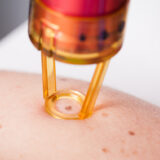
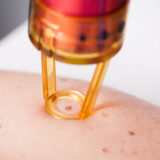
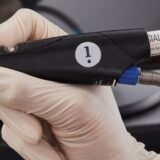
The ICON is a photofacial device used for IPL treatment. Equipped with a powerful cooling system, it is capable of delivering high-intensity pulsed light to the skin.
By adjusting the settings, it can help address a range of skin concerns such as pigmented spots (age spots, freckles, dullness) and facial redness (rosacea, acne, acne scars, post-surgical redness).
The device delivers light rapidly and carries a relatively low risk of burns.
6 Benefits of Photofacial Treatment (ICON)

The following are 6 areas that Photofacial (ICON) treatment may address:
- Pigmented spots & freckles
- Pores
- Acne
- Acne scars & facial redness
- Fine lines
- Improved skin firmness & elasticity
Let us look at each in turn.
Reduction of Pigmented Spots & Freckles
Pigmented spots and freckles are typically caused by pigmentation resulting from aging and UV exposure. IPL light penetrates deep into the skin, helping to activate the skin. This lifts deposited pigment, which then gradually fades through the skin’s natural metabolic processes.
When combined with iontophoresis — a treatment that delivers a high concentration of vitamin C into the skin — it may be possible to provide more prompt treatment for pigmented spots and freckles.
Minimising of Pores
IPL light helps support collagen production, which helps tighten pores that have become enlarged due to aging and other factors. As skin texture becomes finer, overall skin firmness may improve and the appearance of enlarged pores may be reduced.
IPL Antibacterial Action to Help Improve Acne

The IPL light used in Photofacial treatment targets Cutibacterium acnes (C. acnes), the bacteria associated with acne.
By reducing C. acnes, the treatment may help make it more difficult for new acne to form, supporting overall acne improvement.
Photofacial treatment also helps accelerate skin cell turnover. As the skin surface renews itself, pore congestion may improve, making it less prone to acne breakouts.
Improvement of Acne Scars & Facial Redness
Facial redness is caused by dilated blood vessels that make the skin appear red. IPL light works to constrict excess capillaries that have spread across the surface of the face, which may help reduce facial redness.
The treatment may also be effective for acne scars caused by visible capillaries beneath the skin surface, as it can help make the redness less noticeable.
For those with particularly pronounced redness, a treatment called V-Beam — which targets haemoglobin pigment within blood vessels — may also be an option worth considering.
Reduction of Fine Lines
The external causes of fine lines include UV exposure and dryness. UV rays can contribute to the degradation of collagen and elastin within the deeper layers of the skin.
When the skin becomes dry, the surface of the stratum corneum can become prone to flaking, creating small gaps. Moisture evaporates through these gaps, causing the skin to become thin and firm, which can lead to the formation of fine lines.
Because Photofacial treatment delivers light into the deeper layers of the skin, it can help activate fibroblasts and stimulate collagen production, which may support improvement in the appearance of fine lines.
Improved Skin Firmness & Elasticity

Photofacial treatment filters out harmful UV wavelengths while working toward a clearer, more luminous complexion.
Some patients notice an improvement in their skin’s condition after treatment; however, it is generally difficult to achieve significant skin firmness from just one or two sessions. In most cases, multiple treatment sessions are needed.
In practice, patients who undergo Photofacial treatment on an ongoing basis tend to see improvements in both the texture and appearance of their skin. Combining treatment with iontophoresis may also help enhance skin-brightening effects.
IC Clinic Photofacial (ICON) Pricing Menu

Pricing for Photofacial (ICON) treatment at our clinic varies depending on the treatment area and number of sessions.
Please refer to the relevant price list below for your specific concern.
- Skin Beautification & Radiance Price List
- Wrinkles Price List
- Pigmented Spots & Melasma Price List
- Acne Scars (Redness) Price List
- Redness & Facial Redness Price List
- Body Darkening Price List
- Clogged Pores Price List
Photofacial (ICON) Treatment Process

Here is an overview of the Photofacial (ICON) treatment process at our clinic, broken down into 4 steps.
- Consultation
- Pre-Treatment Explanation
- Photofacial Treatment
- Follow-Up & Aftercare
① Consultation
We begin with an examination and consultation. Please feel free to share your skin concerns, such as acne scars, freckles, or pigmented spots, so we can assess the condition of your skin.
Treatments are generally by appointment, but same-day visits may be possible if a treatment room is available. We recommend booking in advance online or by phone to minimise waiting time.
② Pre-Treatment Explanation
Your attending physician will explain the procedure and, based on the information gathered during your examination and consultation, determine the appropriate type and intensity of IPL for your treatment. You will be asked to sign a consent form, so please make sure you fully understand the treatment details before signing.
Afterwards, cleansing oil will be used to remove any makeup from the treatment area, followed by face washing. As IPL can also react to fine facial hair and may cause some discomfort, we recommend shaving the treatment area beforehand.
③ Photofacial Treatment

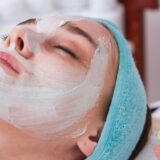
As preparation, a cooling gel is applied to the skin and protective goggles are worn to shield the eyes from the IPL light.
A low-intensity light is then applied first to assess your skin’s response, after which the intensity is gradually adjusted to suit your skin type and the light is delivered to the treatment area.
A mild snapping sensation, similar to a light rubber band flick, may be felt during treatment, though strong pain is uncommon. Depending on the condition of your skin, approximately 100–150 pulses are delivered across the full face, followed by around 15 minutes of skin cooling.
④ Follow-Up & Aftercare
Makeup and face washing are permitted on the day of treatment. For the few days following treatment, we recommend using both a sunscreen and an anti-inflammatory cream in combination.
Downtime after treatment is relatively short, and redness or swelling is not expected to persist. Around 7–10 days after treatment, the treated area may temporarily appear darker and more raised. This will naturally flake off within a few days, so please avoid touching or picking at it.
5 Considerations for Photofacial Treatment (ICON)

While Photofacial (ICON) treatment offers a number of benefits, there are also considerations to be aware of. Please review the following 5 points before undergoing treatment.
- Treatment is not available for those who are pregnant or have skin inflammation
- Avoid excessive sun exposure for one month before and after treatment
- Some discomfort may be felt during light application
- A temporary crust-like sensation over pigmented spots or freckles may occur a few days after treatment
- Approximately 5–6 sessions are typically needed to achieve satisfactory results
Let us look at each in turn.
Treatment Is Not Available for Those Who Are Pregnant or Have Skin Inflammation
Treatment is not available for individuals who fall into any of the following categories.
- Those who are pregnant
- Those with photosensitivity
- Those with a history of epileptic seizures
- Those who are currently tanned or planning to tan
- Those with significant skin inflammation
Please make sure you have a clear understanding of your own condition before enquiring about Photofacial treatment.
Avoid Excessive Sun Exposure for One Month Before and After Treatment
The skin is particularly sensitive after treatment. To minimise UV exposure, please use sunscreen and avoid prolonged direct sunlight.
Rather than undergoing treatment in summer, we generally recommend scheduling several sessions from autumn through to winter. Receiving treatment in the cooler months and allowing the skin to rest during summer is an approach we suggest.
Some Discomfort May Be Felt During Light Application

Treatment is typically performed using a cooling gel and other measures to help reduce discomfort.
Some patients may experience a mild sensation similar to a light rubber band flick, though this is generally tolerable. That said, sensitivity varies between individuals, so please be aware that some degree of discomfort is possible.
A Temporary Crust-Like Sensation Over Pigmented Spots May Occur a Few Days After Treatment
A few days after treatment, pigmented spots or freckles in the treated area may appear darker and seem to rise to the surface.
This is a sign that the treated area is healing. The melanin pigment rises to the surface and naturally flakes off within a few days. If you find this noticeable, you may cover it with makeup.
Approximately 5–6 Sessions Are Typically Needed to Achieve Satisfactory Results
Many patients notice some improvement after just one session of Photofacial treatment. However, taking into account the skin’s natural cell renewal cycle, continuing treatment once a month for approximately 5–6 sessions is generally considered ideal.
Even after results become apparent, visiting the clinic every few months may help to maintain the treatment benefits over time.
Visit IC Clinic for Comprehensive Specialist Treatment to Improve Your Skin

Photofacial (IPL) treatment delivers specialised intense pulsed light to the skin and is a suitable option for those considering light-based skin treatment for the first time.
It may help improve a range of skin concerns including pigmented spots, acne scars, and fine lines. It may also contribute to improved skin firmness and elasticity.
However, it is important to be aware that the treated area may temporarily appear raised, and sun exposure should be avoided after treatment, so please make sure you understand these points before proceeding.
At our clinic, we use the ICON — a photofacial device designed to help minimise discomfort during treatment. If you have any skin concerns, please feel free to contact us for a consultation.
At our clinic, we tailor treatment plans to each individual patient and focus on delivering results. We take the time to listen carefully to your concerns and symptoms, so please book a consultation using the button below.